
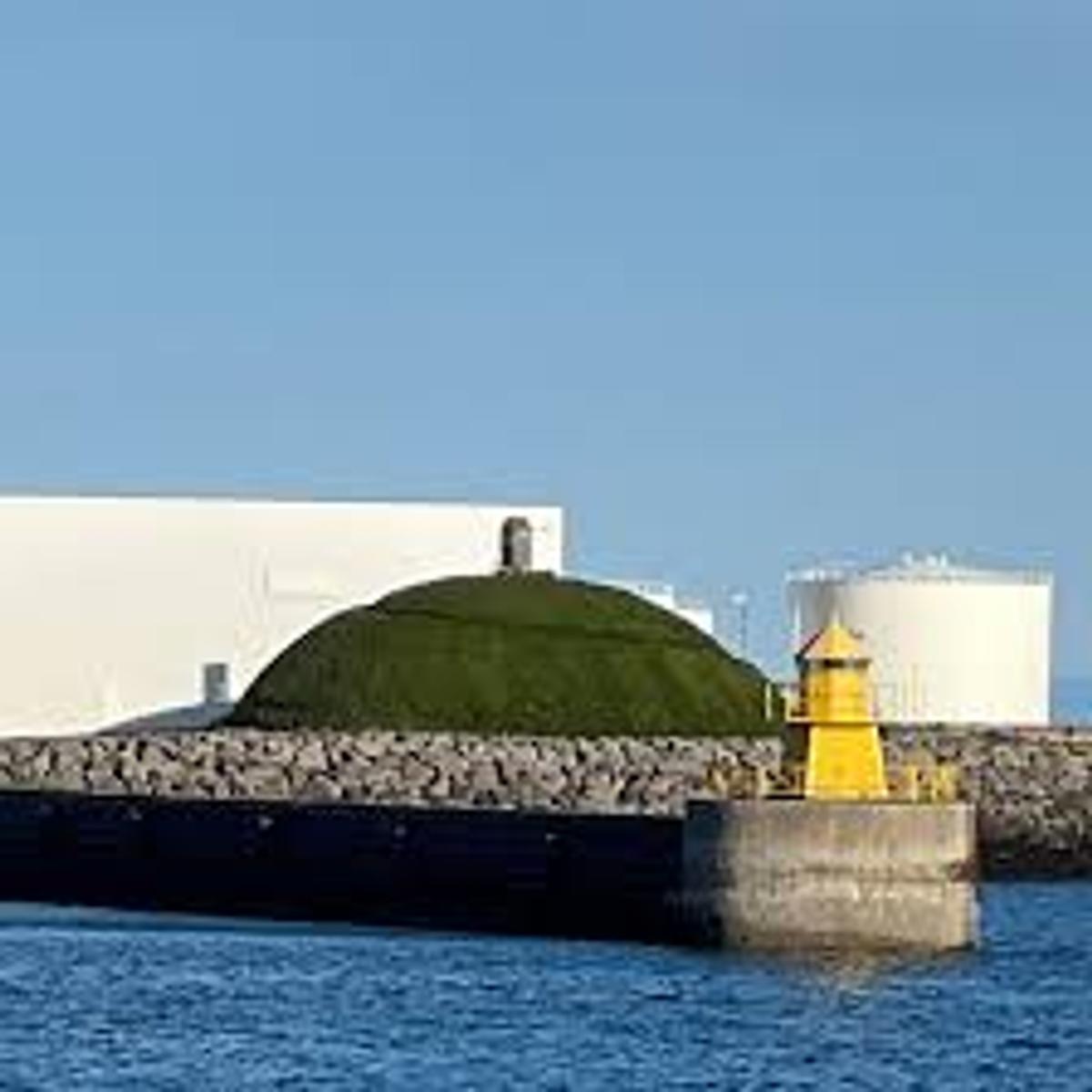
Þúfa
Ólöf Nordal’s grass-covered art mound at Grandi, with a spiral path, fish-drying shed and harbour views.
About
About Þúfa
Ólöf Nordal’s grass-covered art mound at Grandi, with a spiral path, fish-drying shed and harbour views.
Walk to the top for a distinctive mix of contemporary art, fishing heritage and harbour views.
Tours Near Þúfa
Private Reykjavik LGBTQ+ City Walk
Your Friend in Reykjavik · 3 hours
Private Reykjavik City Tour
Icelimo Luxurytravel · 4 hours

Private 3 hour Reykjavik Driving Tour
Your Friend in Reykjavik · 3 hours
Private Reykjavik Shopping & Sightseeing Walking Tour
Your Friend in Reykjavik · 3 hours
Photos
Gallery
Background
History & Background
Þúfa was conceived and created by Icelandic artist Ólöf Nordal and opened to the public in 2013. The project aimed to establish a connection between the city's urban environment and its profound historical ties to the sea and fishing industry. Nordal’s vision was to create a contemplative space that honored traditional Icelandic practices, specifically the ancient method of drying fish in open-air sheds, known as 'hjallur'. The construction involved building a substantial earth mound, carefully shaped and covered with grass, to mimic natural topography. At its apex, a traditional hjallur was erected, serving as both a focal point for the artwork and a functional structure where fish can be dried. This integration of art, nature, and cultural heritage makes Þúfa more than just a sculpture; it’s a living monument that bridges the past with the present, offering locals and visitors alike a unique perspective on Iceland's identity.
Þúfa is a public artwork by Icelandic artist Ólöf Nordal at Grandi in Reykjavík harbour. Commissioned by HB Grandi in 2013, the work is an eight-metre, grass-covered man-made mound with a path spiralling to the summit. A wooden fish-drying structure stands at the top, linking the contemporary installation to the harbour district’s fishing history. The climb is short and gives broad views back across Reykjavík and the waterfront.
Folklore
Story & Folklore
On the edge of Reykjavik's bustling harbor, a verdant hill rises gently from the rocky shoreline, an unexpected patch of green against the blue sky and industrial backdrop. This is Þúfa, a tranquil art installation that beckons the curious. As you ascend the winding path, the city sounds begin to fade, replaced by the whisper of the wind and the distant cry of gulls. At its summit stands a small, dark fishing hut, a symbolic nod to Iceland's ancient methods of drying fish in the open air. Inside, if you're lucky, you might even find dried fish hanging, a tangible link to a bygone era. From this peaceful vantage point, the city stretches out below, framed by the expansive bay and distant mountains, inviting contemplation and a unique perspective on Iceland's capital.
Did You Know?
The Icelandic word þúfa can mean a tussock or small hummock; the artwork was commissioned in 2013.
Culture
Stories & Legends
Icelandic sagas and folklore from this area
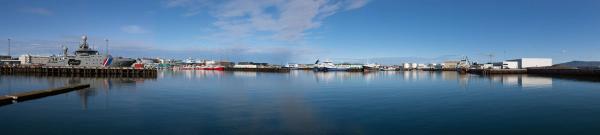
Reykjavík
Reykjavík is a historic location in Iceland mentioned in "Harðar saga og Hólmverja", one of the ancient Íslendingasögur (Sagas of Icelanders). These medieval narratives preserve the history of Iceland's Viking Age settlement.
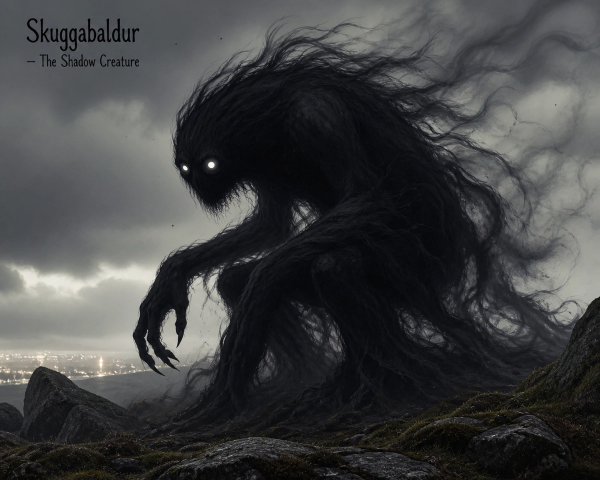
Skuggabaldur – The Shadow Creature
Skuggabaldur: A phantom dog guarding forgotten paths.
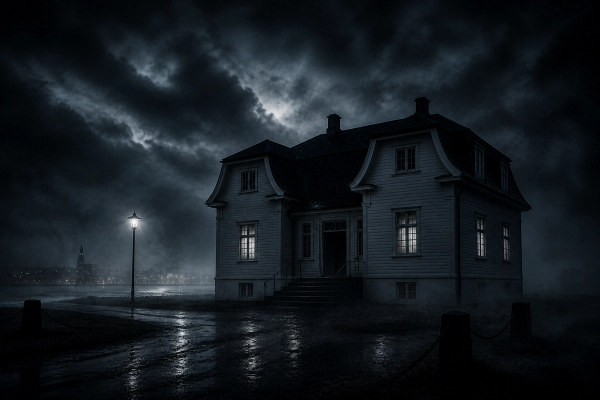
Höfði House – Reykjavík's Haunted Mansion
Höfði House: Reykjavík's historic mansion with a chilling paranormal past.
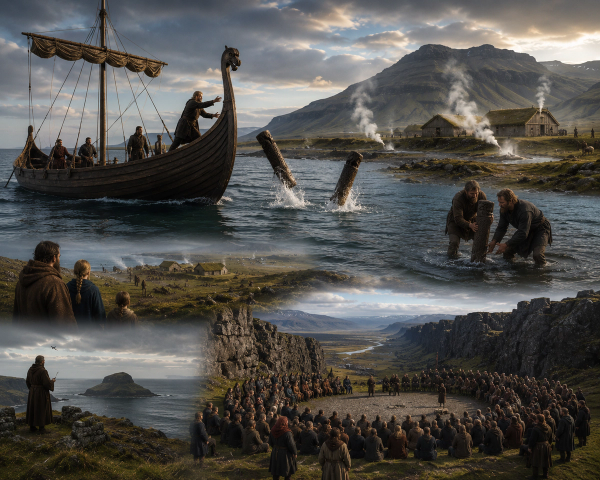
The Settlement of Iceland – Land of Fire and Freedom
Iceland: Land of Fire and Freedom, forged by Vikings and volcanic might.
Location
Location
Discover
Explore Nearby
Places within 5.0 km
Loading nearby places…
0 places found within 5.0 km
Plan full itinerary →Explore More