Þórsmörk Valley
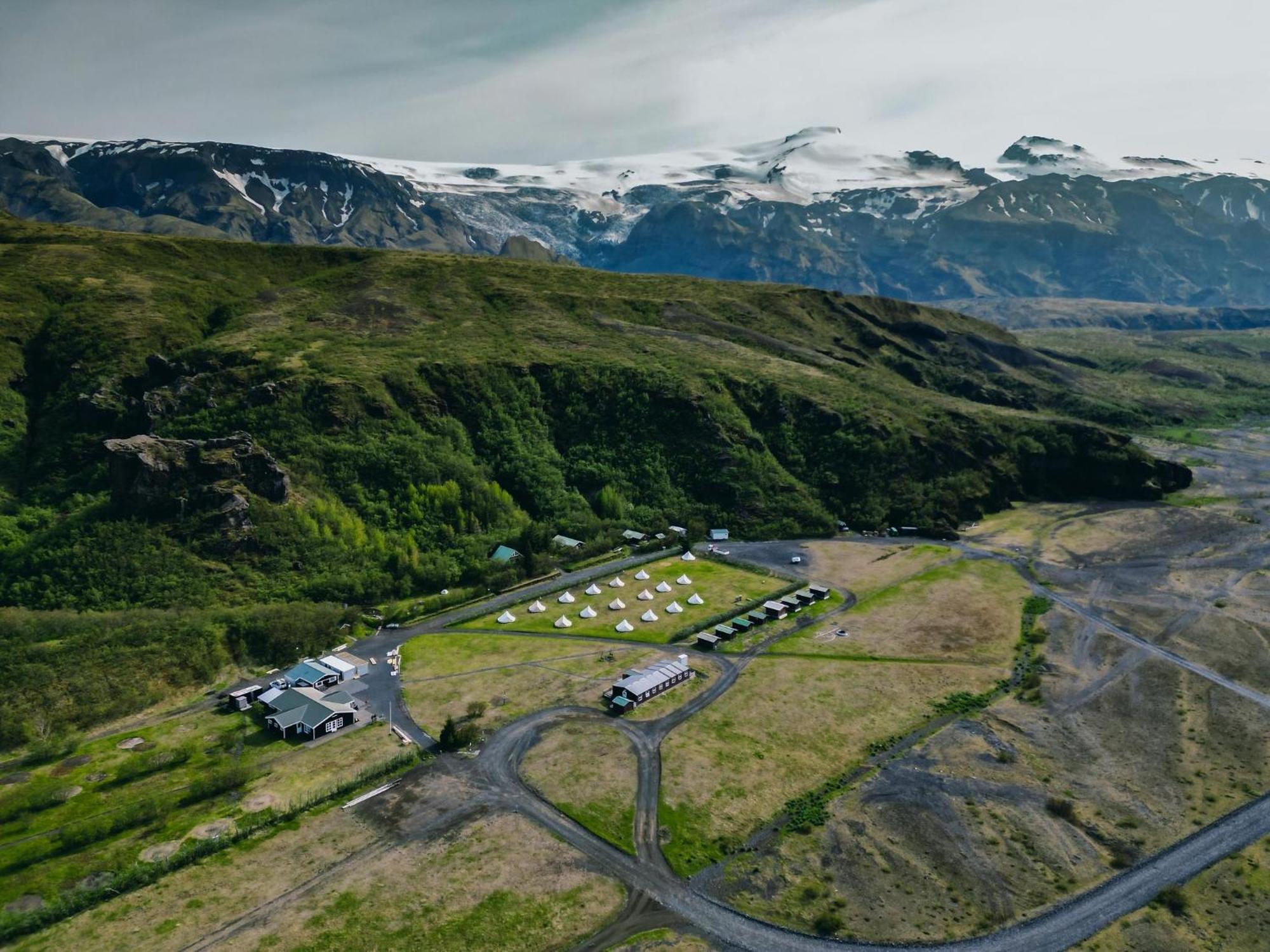
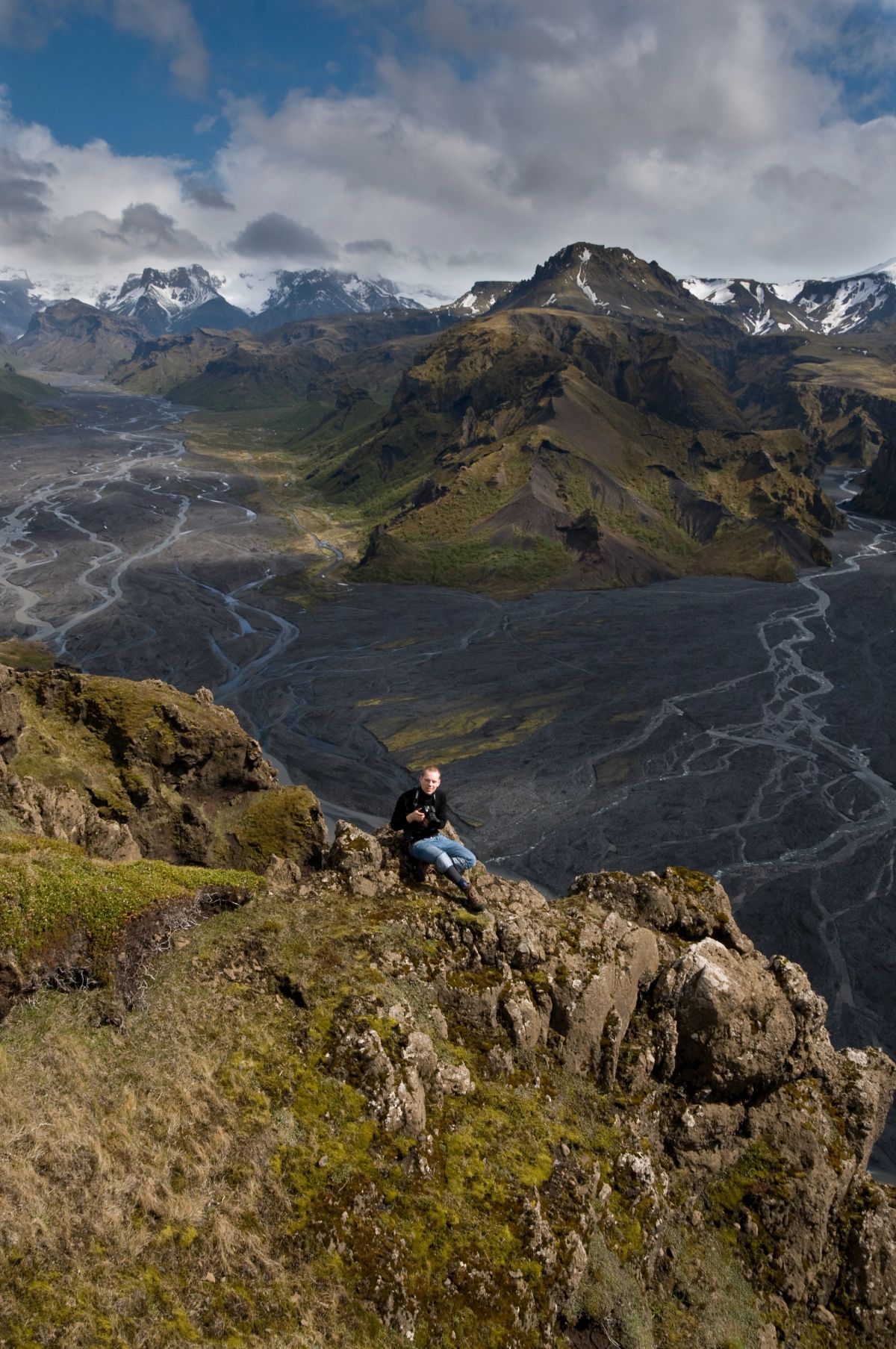
Spectacular glacial valley between three glaciers with lush birch forest, rivers, and hiking trails — accessible via river crossing.
About
About Þórsmörk Valley
Spectacular glacial valley between three glaciers with lush birch forest, rivers, and hiking trails — accessible via river crossing.
Hike in a green valley surrounded by three glaciers — Iceland's most dramatic highland oasis with lush forest and river crossings.
Background
History & Background
This site in South Iceland has captivated visitors and locals alike throughout Iceland's history. The natural formations here were shaped over thousands of years by the forces of volcanism, glaciation, and erosion. Early settlers recognized the unique beauty of this place, and it features in various historical accounts and folklore. Iceland's natural wonders have been described by travelers since the medieval period, with some of the earliest written accounts appearing in the sagas and geographic treatises of the 12th and 13th centuries. Today, This site continues to draw visitors from around the world who come to witness the extraordinary landscapes that make Iceland one of the most geologically diverse places on the planet.
Test content for fullDescription field.
Folklore
Story & Folklore
Þórsmörk is Iceland's most beautiful highland valley — a green oasis protected by three glaciers. The valley is sheltered from prevailing winds, allowing lush birch forest to grow in an otherwise barren landscape. Multiple glacier tongues descend into view. Rivers braid across the valley floor. To reach Þórsmörk requires fording unbridged glacial rivers— 4x4 vehicles with high clearance or special highland buses only. Most visitors come for hiking (Laugavegur Trail ends here) or camping in the birch forest surrounded by glaciers.
💡 Did You Know?
Þórsmörk is named after Thor, Norse god of thunder — locals say the valley's shelter and beauty could only be the work of a god.
Local Legend
The Hidden People of the South
According to Icelandic folklore, the hills and rock formations of South Iceland are home to the huldufólk — the hidden people. These beings live in a parallel world, invisible to most humans, but occasionally revealing themselves to those with the gift of sight. Farmers in the region have long respected certain rocks and hills, refusing to disturb them for fear of angering the hidden people. Stories tell of those who built roads through huldufólk dwellings suffering misfortune until the paths were rerouted. Even in modern Iceland, road construction projects have been altered to avoid disturbing known huldufólk sites, reflecting a respect for tradition that persists in this ancient landscape.
Culture
Stories & Legends
Icelandic sagas and folklore from this area
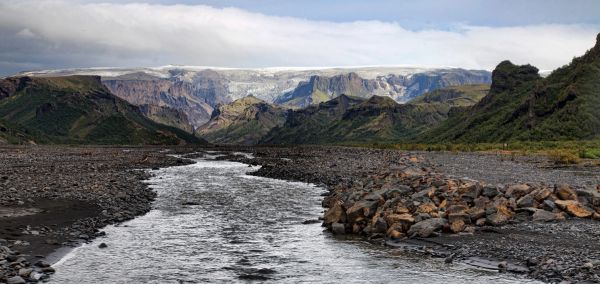
Goðaland
Goðaland: The land of gods, where ancient powers still linger.
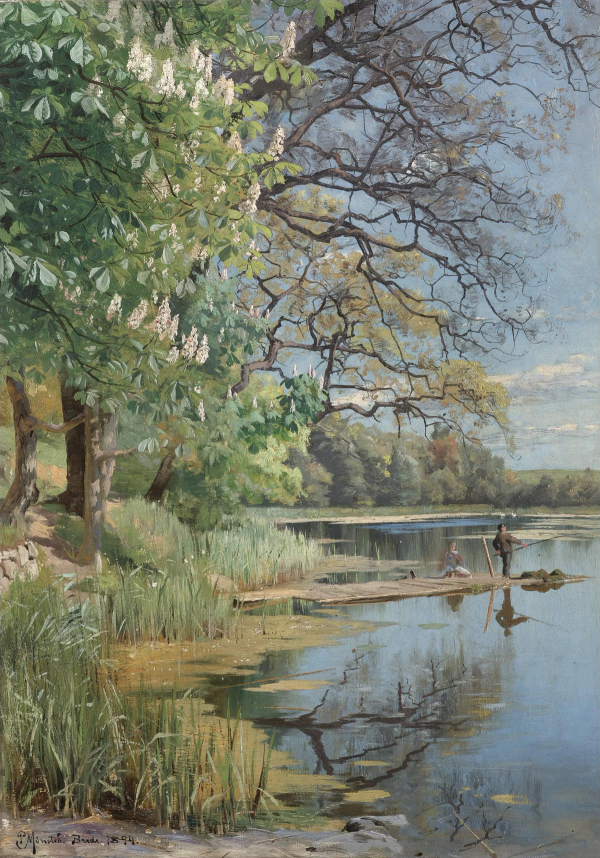
Mið-Mörk
Mið-Mörk is a historic location in Iceland mentioned in "Njáls saga", one of the ancient Íslendingasögur (Sagas of Icelanders). These medieval narratives preserve the history of Iceland's Viking Age settlement.
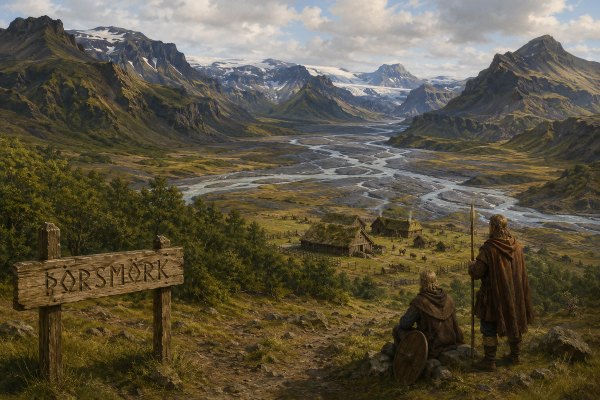
Þórsmörk
Þórsmörk: Valley of Thor, where nature's might and ancient gods convene.
Explore
Hidden Gems Nearby
✦ Off-Peak Visit
Visit this attraction during shoulder season (May or September) for a perfect balance of access and solitude.
You'll experience the site without summer crowds while still having good weather and daylight.
✦ Local Flora
Look for the native Icelandic plants growing in the area — Arctic thyme, moss campion, and various lichens.
These resilient plants have adapted to survive harsh conditions and add subtle beauty to the landscape.
✦ Changing Light
this attraction looks dramatically different depending on the time of day and weather conditions.
Cloud shadows, rain showers, and low-angle sunlight can transform the landscape within minutes — Iceland's famous "four seasons in one day."
Help
Frequently Asked Questions
Location
📍 Location
Discover
Explore Nearby
Places from our database within 1.0 km — all data from Sanity
Loading nearby places…
0 places found within 1.0 km
Plan full itinerary →Explore More