
Þingvellir – The Drowning Pool
At Þingvellir, the serene Drekkingarhylur pool conceals centuries of dark history as an execution site.
About
About Þingvellir – The Drowning Pool
At Þingvellir, the serene Drekkingarhylur pool conceals centuries of dark history as an execution site.
Confront Iceland's haunting past and reflect on the somber history of justice at this ancient execution site.
Tours Near Þingvellir – The Drowning Pool

South Coast Tour - Black Sand Beach, Plane wreck, Skogafoss, Seljalandsfoss guided in Chinese冰岛南岸黑沙滩飞机残骸中文一日团
Magic Iceland Travel · 10 hours 30 minutes
DT 322 Private Superjeep South Coast & Eyjafjallajökull Volcano Sights
Superjeep · 8 hours
South Coast Waterfalls, Glacier & Black Sand Beach Tour
BusTravel Iceland · 10 hours
South Coast Small Group Tour: Waterfalls, Glacier & Black Sand Beach
BusTravel Iceland · 10 hours
Photos
Gallery
Background
History & Background
Drekkingarhylur's grim history is intrinsically linked to the Althingi, Iceland's ancient parliamentary assembly held at Þingvellir. From its establishment in 930 AD, the Althingi served not only as a legislative body but also as the supreme court. While the Althingi is celebrated as one of the world's oldest parliaments, its judicial functions included severe punishments, particularly during the period of the Icelandic witch hunts and the enforcement of strict moral codes. From the late 16th century until the early 18th century, Drekkingarhylur became the designated execution site for women. Unlike men, who were typically beheaded or hanged, women convicted of capital crimes—primarily witchcraft (though fewer women than men were executed for this) and infanticide—were condemned to drown. The pool's location within the Althingi grounds meant these executions were often public, serving as a powerful, terrifying deterrent. The exact number of women drowned here is debated, but historical records suggest dozens met their end in these waters. This site stands as a poignant reminder of a darker chapter in Icelandic legal history, reflecting the societal norms and brutal justice system of the era, contrasting sharply with the progressive nation Iceland is today.
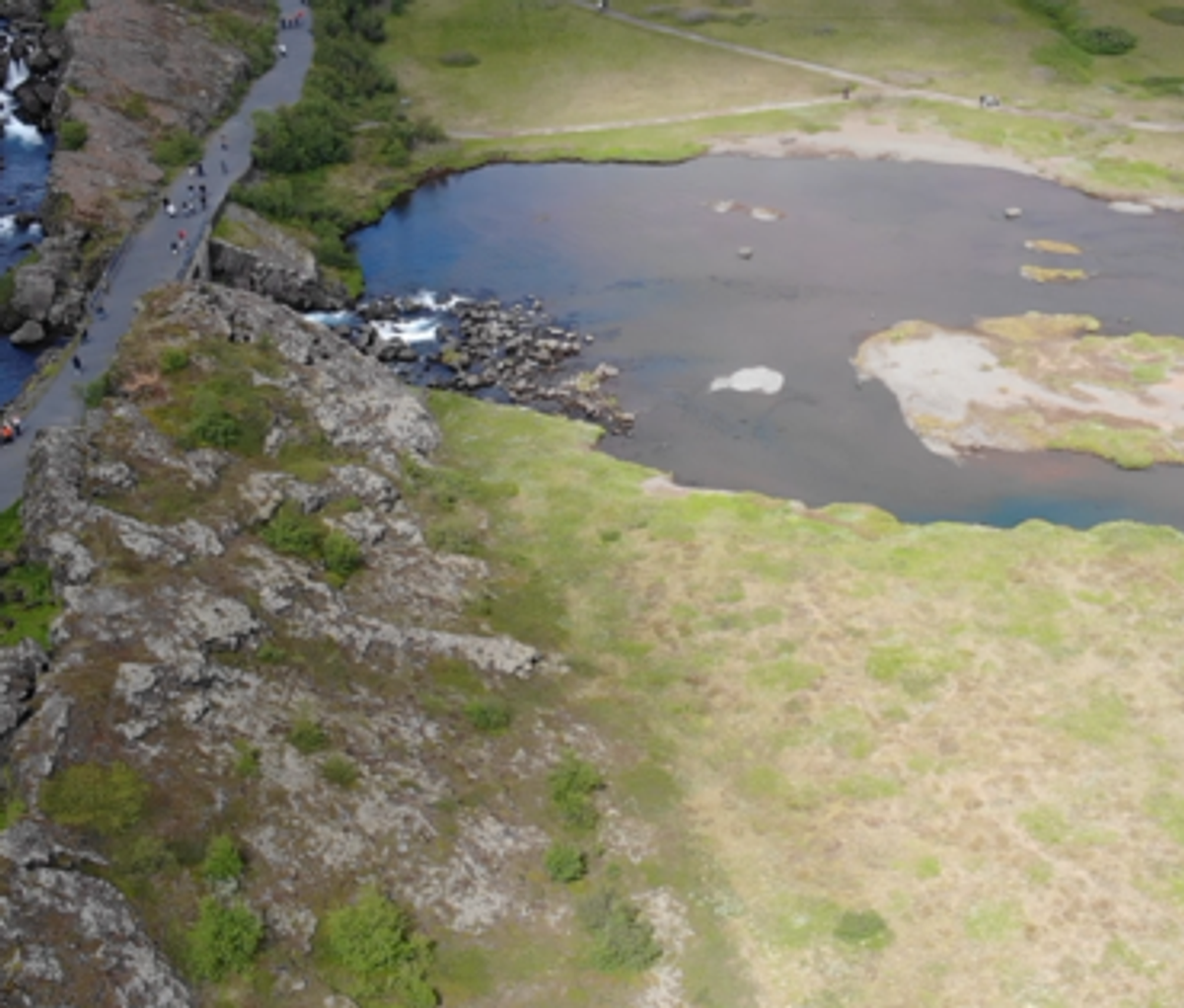
Nestled within the breathtaking landscape of Þingvellir National Park, a UNESCO World Heritage site, lies Drekkingarhylur, tragically known as 'The Drowning Pool.' While the surrounding area, visible with its contrasting green and dry grasses and winding river, is celebrated for its geological wonders and the historic Althingi parliament, this specific spot holds a much darker narrative. For over 150 years, from the late 16th to the early 18th century, Drekkingarhylur served as the primary execution site for women in Iceland. Accused of crimes such as witchcraft or infanticide, these women faced a brutal death by drowning. The executions often took place during the annual Althingi sessions, making them a public spectacle and a stark warning. Today, visitors can walk along the paths, much like those seen on the left of the image, offering views down to the pool where the Öxará river flows into a wider basin. While the water now appears serene, with visible rocks beneath its surface, the somber history is palpable. Visiting Drekkingarhylur offers a profound, albeit sobering, insight into Iceland's legal history and the harsh realities of justice in past centuries. It encourages contemplation on human rights and the evolution of societal values. While exploring the natural beauty and historical significance of Þingvellir, a stop here provides a crucial reminder of the human stories etched into this ancient land. Remember to approach this site with respect, acknowledging the tragic events that unfolded here.
Folklore
Story & Folklore
Imagine the chilling silence that once fell over the rocky banks of Þingvellir, where the river Öxará widens into the ominous Drekkingarhylur. On bright summer days, much like the one captured in this aerial view, one might almost forget the dark shadows cast by human cruelty. Yet, for centuries, this very pool, with its seemingly calm waters, was a stage for tragedy. Here, women accused of crimes deemed unforgivable – witchcraft or infanticide – met their end, plunged into the frigid depths. The whispers of the wind sweeping across the grassy plains and rocky outcrops seem to carry echoes of their despair, a stark reminder of a brutal past. Stand by the path on the left, looking down at the water, and feel the weight of history settle upon you.
Did You Know?
Drekkingarhylur, meaning 'Drowning Pool,' was one of the few execution methods for women in Iceland, often carried out publicly during the Althingi parliamentary sessions.
Culture
Stories & Legends
Icelandic sagas and folklore from this area
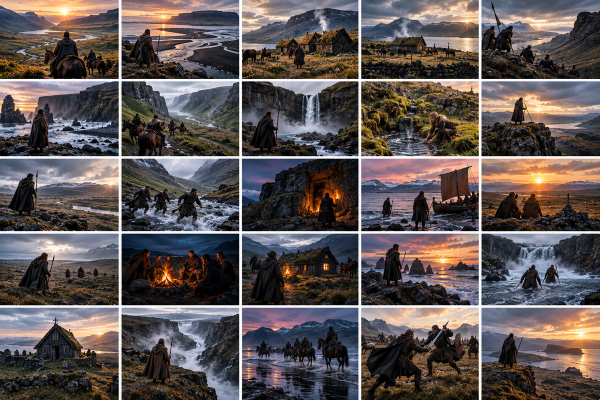
Grettishaf við Sleðaás
Grettishaf við Sleðaás is a historic location in Iceland mentioned in "Grettis saga", one of the ancient Íslendingasögur (Sagas of Icelanders). These medieval narratives preserve the history of Iceland's Viking Age settlement.
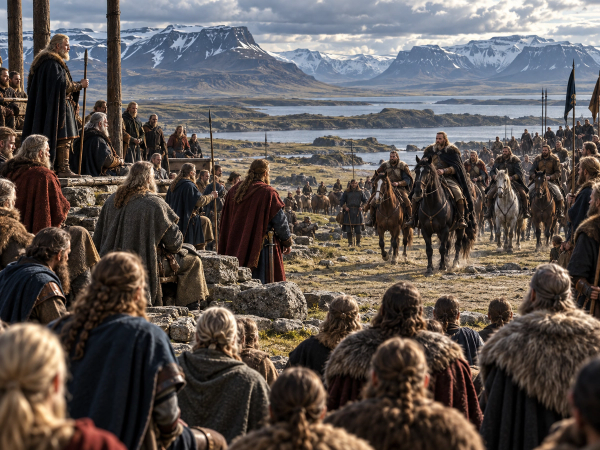
Öxarárhólmi
Öxarárhólmi is a historic location in Iceland mentioned in "Gunnlaugs saga ormstungu", one of the ancient Íslendingasögur (Sagas of Icelanders). These medieval narratives preserve the history of Iceland's Viking Age settlement.
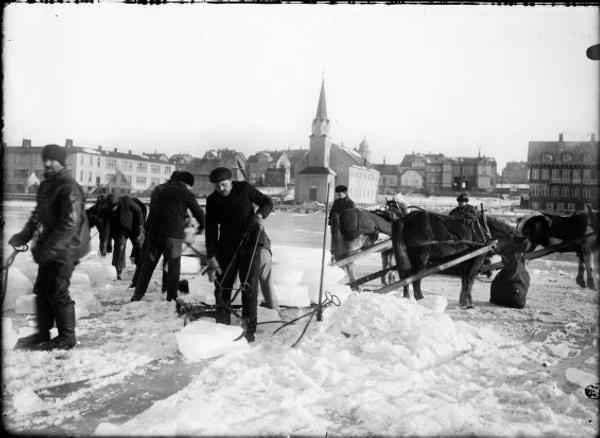
Sleðás
Sleðás is a historic location in Iceland mentioned in "Grettis saga", one of the ancient Íslendingasögur (Sagas of Icelanders). These medieval narratives preserve the history of Iceland's Viking Age settlement.
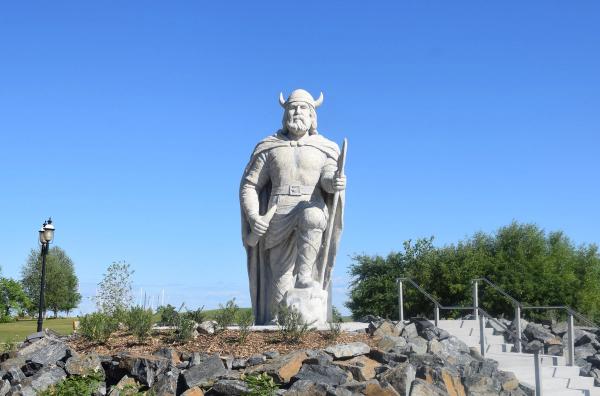
Vellankatla
Vellankatla is a historic location in Iceland mentioned in "Njáls saga", one of the ancient Íslendingasögur (Sagas of Icelanders). These medieval narratives preserve the history of Iceland's Viking Age settlement.
Location
Location
Discover
Explore Nearby
Places within 5.0 km
Loading nearby places…
0 places found within 5.0 km
Plan full itinerary →Explore More