
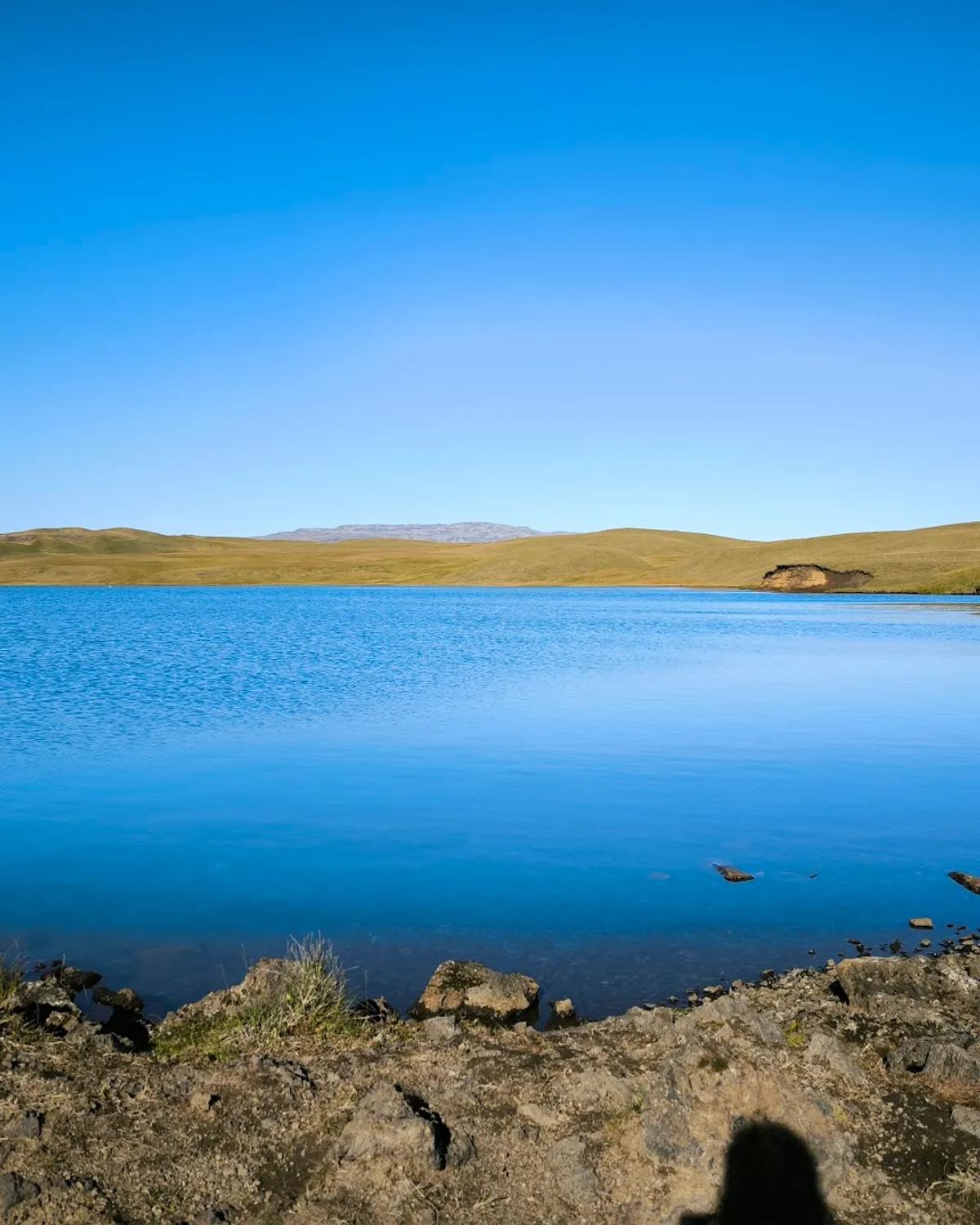
Systravatn Lake
Small plateau lake above Kirkjubæjarklaustur reached by a walking route from the village.
At a Glance
Visit time
Allow 1–2 hours for the round trip hike and time to enjoy the views at the lake.
Best Season
Late Spring to Early Autumn (May-September) for best hiking conditions and clear views. Daytime.
Getting There
Accessible via a hike from the village of Kirkjubæjarklaustur. The path ascends to the mountaintop.
GPS
63.7906, -18.0667
About
About Systravatn Lake
Small plateau lake above Kirkjubæjarklaustur reached by a walking route from the village.
Experience stunning panoramic views from a unique mountaintop lake above Kirkjubæjarklaustur.
Tours Near Systravatn Lake

South Coast Tour - Black Sand Beach, Plane wreck, Skogafoss, Seljalandsfoss guided in Chinese冰岛南岸黑沙滩飞机残骸中文一日团
Magic Iceland Travel · 10 hours 30 minutes
DT 322 Private Superjeep South Coast & Eyjafjallajökull Volcano Sights
Superjeep · 8 hours
South Coast Waterfalls, Glacier & Black Sand Beach Tour
BusTravel Iceland · 10 hours
DT 402 Private Monster Truck South Coast & Eyjafjallajökull Volcano Sights
Superjeep · 8 hours
Photos
Gallery
Background
History & Background
Systravatn holds its significance primarily as a prominent natural landmark, famously known as the 'Sisters' Lake' in Icelandic. Its name itself, imbued with cultural meaning, suggests a deep connection to local lore and the history of the Kirkjubæjarklaustur area, though specific historical events tied directly to 'sisters' are part of the local oral tradition rather than documented historical facts. The lake's enduring importance stems from its dramatic location atop a mountaintop, offering a unique perspective of the surrounding Icelandic landscape. For generations, it has served as a defining feature of the region, visible from the village below and a destination for those seeking solitude and breathtaking views. Its natural beauty and distinctive name have cemented its place in the cultural fabric of South Iceland.
Systravatn lies above Kirkjubæjarklaustur on the plateau north of the village. Its name means 'Sisters' Lake' and reflects the area's long association with the convent at Kirkjubær. The climb provides views over the village and surrounding Skaftárhreppur landscape. Paths can be steep or slippery, particularly in wet or icy conditions.
Folklore
Story & Folklore
Imagine ascending above the quaint village of Kirkjubæjarklaustur, the world unfolding beneath you with every step. As you reach the mountaintop, a tranquil expanse of water reveals itself – Systravatn, the 'Sisters' Lake.' Here, the vastness of the Icelandic landscape truly embraces you. The air is crisp, carrying whispers of ancient times, as you gaze across sweeping lava fields stretching to the horizon and the faint shimmer of the distant coast. It's a place where peace reigns, and the silence is broken only by the wind, inviting contemplation. The name itself, 'Sisters' Lake,' adds a layer of mystery and gentle wonder to this significant natural landmark, leaving you to ponder the stories it might hold.
Did You Know?
Systravatn directly translates from Icelandic as 'Sisters' Lake,' highlighting the unique cultural connection to this mountaintop landmark.
Culture
Stories & Legends
Icelandic sagas and folklore from this area
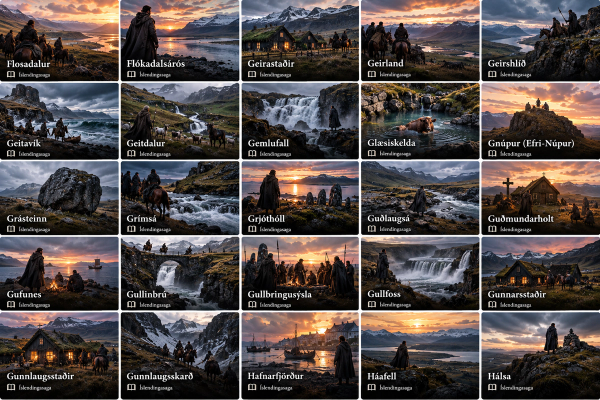
Geirland
Geirland is a historic location in Iceland mentioned in "Gunnars saga Keldugnúpsfífls", one of the ancient Íslendingasögur (Sagas of Icelanders). These medieval narratives preserve the history of Iceland's Viking Age settlement.
Kirkjubær á Síðu (nú Kirkjubæjarklaustur)
Kirkjubær á Síðu: A historic site where faith and saga intertwine.
Mörtunga
Mörtunga is a historic location in Iceland mentioned in "Gunnars saga Keldugnúpsfífls", one of the ancient Íslendingasögur (Sagas of Icelanders). These medieval narratives preserve the history of Iceland's Viking Age settlement.
Explore
Hidden Gems Nearby
Off-Peak Visit
Visit this attraction during shoulder season (May or September) for a perfect balance of access and solitude.
You'll experience the site without summer crowds while still having good weather and daylight.
Local Flora
Look for the native Icelandic plants growing in the area — Arctic thyme, moss campion, and various lichens.
These resilient plants have adapted to survive harsh conditions and add subtle beauty to the landscape.
Changing Light
this attraction looks dramatically different depending on the time of day and weather conditions.
Cloud shadows, rain showers, and low-angle sunlight can transform the landscape within minutes — Iceland's famous "four seasons in one day."
Help
Frequently Asked Questions
Location
Location
Discover
Explore Nearby
Places within 5.0 km
Loading nearby places…
0 places found within 5.0 km
Plan full itinerary →Explore More