
Staðarborg
Explore the ancient stone ruins of Staðarborg, a compelling window into Iceland's Viking settlement era.
About
About Staðarborg
Explore the ancient stone ruins of Staðarborg, a compelling window into Iceland's Viking settlement era.
Connect with Iceland's Viking past and witness the resilient dry-stone architecture of its first settlers.
Tours Near Staðarborg

South Coast Tour - Black Sand Beach, Plane wreck, Skogafoss, Seljalandsfoss guided in Chinese冰岛南岸黑沙滩飞机残骸中文一日团
Magic Iceland Travel · 10 hours 30 minutes
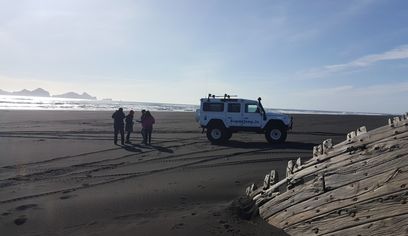
DT 322 Private Superjeep South Coast & Eyjafjallajökull Volcano Sights
Superjeep · 8 hours
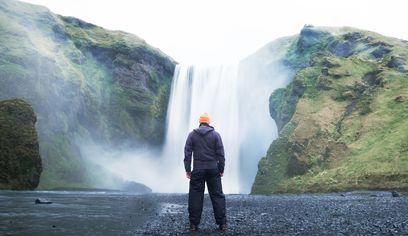
South Coast Waterfalls, Glacier & Black Sand Beach Tour
BusTravel Iceland · 10 hours
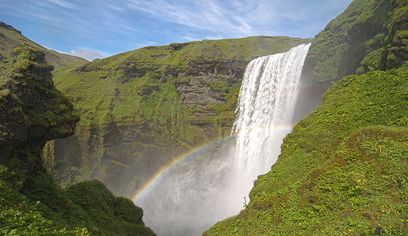
South Coast Small Group Tour: Waterfalls, Glacier & Black Sand Beach
BusTravel Iceland · 10 hours
Photos
Gallery
Background
History & Background
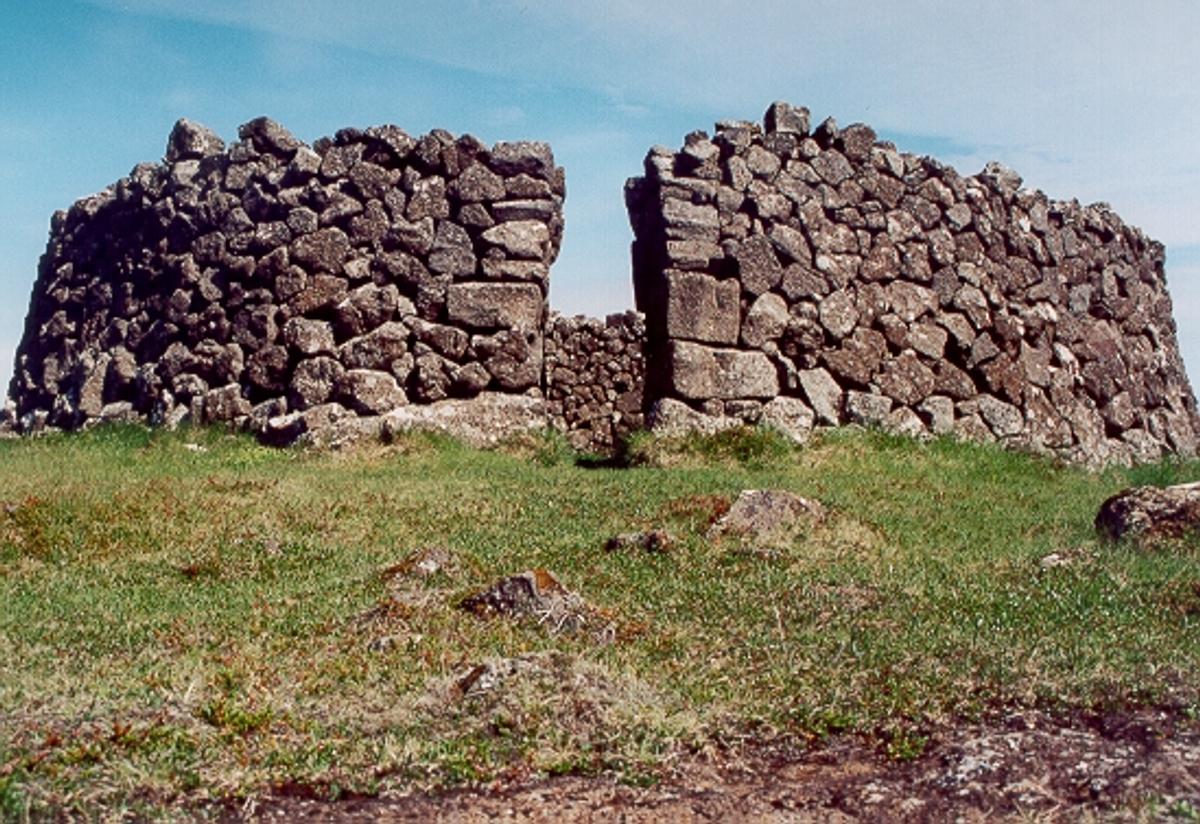
Staðarborg stands as a poignant reminder of Iceland's earliest human habitation, a direct link to the Norse Vikings who first settled the island in the 9th century. These intrepid pioneers brought with them their distinct culture and building traditions, adapting them to the challenging Icelandic environment. For over a thousand years, Icelandic life revolved around a deep connection to the land, with communities relying on subsistence farming, primarily sheep, and the rich fishing grounds of the North Atlantic. Their homes were often turf-walled farms, but more robust stone structures like those at Staðarborg were crucial for communal activities or perhaps as sturdy animal enclosures. The ruins themselves exemplify the dry-stone construction method, a testament to the settlers' ingenuity. Each dark, irregularly shaped rock, visible in the surviving walls, was carefully selected and fitted without mortar, creating remarkably durable structures that have withstood centuries of harsh weather. The distinct gap in the walls, suggestive of an entrance or passage, hints at the layout and function of the original settlement, inviting visitors to visualize the daily routines and challenges faced by those who called this place home. Today, Staðarborg serves as a vital educational and cultural site, preserving the memory of this foundational era. It offers a unique opportunity to physically connect with the pioneering spirit of Iceland's first inhabitants and understand the architectural and social resilience required to establish a lasting community in such a formidable landscape. The ruins are a quiet monument to human perseverance against the backdrop of Iceland's dramatic natural beauty.
Perched on a grassy rise in the rugged Reykjanes peninsula, Staðarborg offers a powerful visual and historical journey into Iceland's foundational past. The striking dry-stone walls, composed of dark, irregularly shaped rocks, stand as robust remnants of early Norse settlement, their sturdy construction a testament to the resilience of those who built them over a millennium ago. As you approach, the clear division in the main structure, forming a distinct entrance or passage, invites contemplation of the lives once lived within these protective enclosures. The vivid blue sky overhead, often seen in the region, provides a dramatic and timeless backdrop to these ancient stones. Iceland was settled by Norse Vikings in the 9th century, and sites like Staðarborg preserve the memory of their way of life. For centuries, Icelanders lived intimately with the land, constructing turf-walled farms and stone structures to endure the severe winters, relying on sheep farming, fishing, and strong community bonds for survival. These ruins are a tangible link to that challenging yet formative era, showcasing the architectural ingenuity and adaptability required to thrive in such an environment, transforming raw materials from the landscape into lasting shelter. Visitors can explore the footprint of these ancient buildings, imagining the daily routines of the settlers. The open, grassy area around the ruins, dotted with smaller rocks and sparse vegetation, enhances the sense of stepping back in time. While the structures themselves are robust, they are also fragile historical artifacts; visitors are encouraged to observe respectfully and avoid climbing on the walls. Staðarborg is an excellent spot for quiet reflection and photography, allowing you to immerse yourself in the profound human history embedded in Iceland's majestic landscape.
Folklore
Story & Folklore
Imagine stepping back a thousand years, to a time when the sturdy stone walls of Staðarborg, as seen rising starkly from the green earth against the wide blue sky, sheltered early Icelandic settlers. Picture the resilient Norse Vikings, who arrived in the 9th century, building these very structures with their bare hands, each irregular dark stone carefully placed to withstand the harsh Atlantic winds. Life here was a constant dance with nature, relying on sheep grazing the sparse grass and the bounty of the sea. These ruins aren't just piles of rock; they are echoes of a community, a testament to survival, and a silent guardian of stories whispered on the wind. As you walk through the ancient gateway, now a distinct gap in the substantial walls, you can almost hear the daily rhythms of a bygone era, connecting you deeply to the enduring spirit of Iceland's pioneers.
Did You Know?
The dry-stone construction seen at Staðarborg is a testament to the sophisticated building techniques used by early Norse settlers across the North Atlantic.
Explore
Hidden Gems Nearby
Panoramic Views
From the elevated position of Staðarborg, enjoy expansive views of the Reykjanes peninsula, often stretching towards the vast Atlantic, with distant mountains on clear days.
Offers a serene backdrop and a strong sense of the isolation and beauty early settlers experienced.
Ancient Stonework Details
Take a moment to closely examine the intricate dry-stone construction, where each irregular dark rock is carefully fitted without mortar, showcasing remarkable ancient craftsmanship.
A close look reveals the ingenuity and immense labor involved in building these durable, timeless structures.
Help
Frequently Asked Questions
Location
Location
Discover
Explore Nearby
Places within 5.0 km
Loading nearby places…
0 places found within 5.0 km
Plan full itinerary →Explore More