
Sandarnir
Traverse Sandarnir's vast, rugged terrain, where ancient landscapes meet the wild East Iceland sky.
At a Glance
Visit time
2–4 hours for a comprehensive exploration, shorter walks possible along the coast.
Best Season
Late Spring to Early Autumn (June-September), particularly morning or late afternoon for photography.
Getting There
Paved road to Djúpavogur, then a short drive on a gravel road to the trailhead near the airfield on Búlandsnes peninsula. Parking available.
GPS
64.6386, -14.2656
About
About Sandarnir
Traverse Sandarnir's vast, rugged terrain, where ancient landscapes meet the wild East Iceland sky.
Discover East Iceland's dramatic, untamed beauty on a hike through a landscape that feels truly ancient.
Photos
Gallery
Background
History & Background
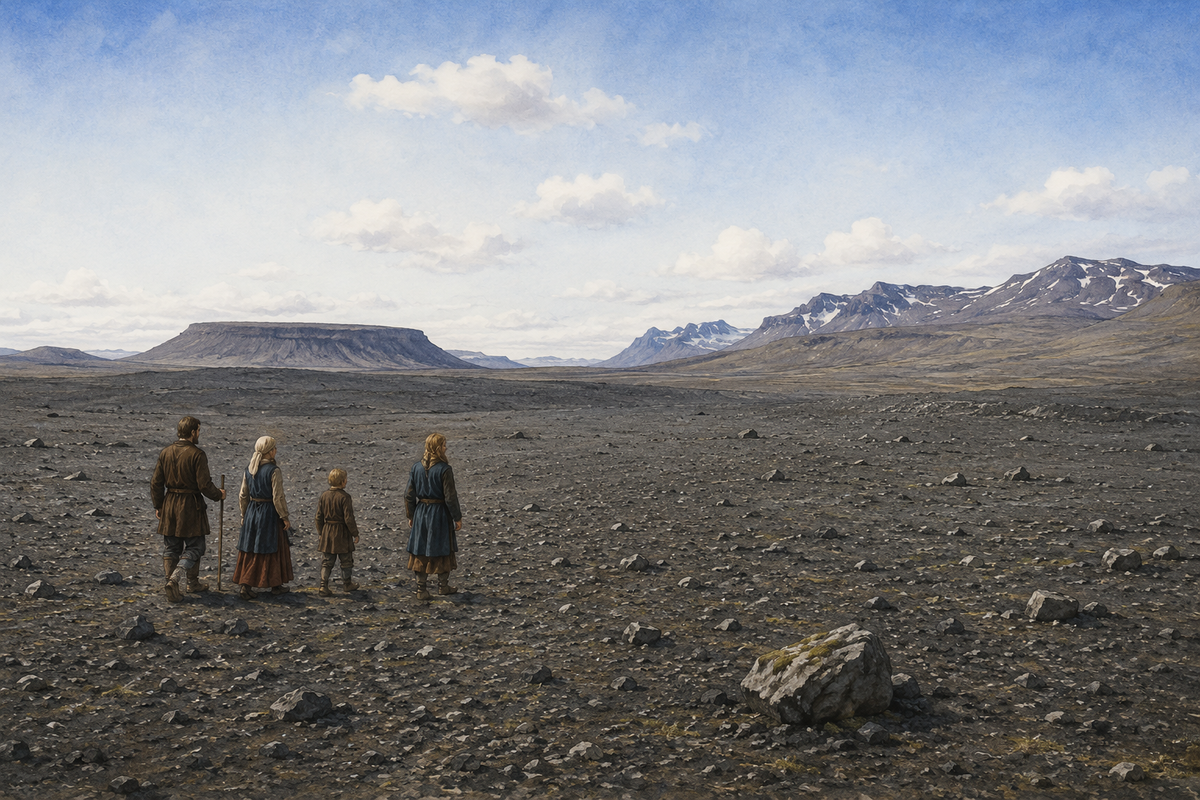
The landscape of Sandarnir, with its dark, rocky plains and distinct mountain formations, is a testament to Iceland's powerful geological forces. Shaped over millennia by volcanic activity, glacial movements, and erosion, the terrain offers a stark, beautiful narrative of the island's creation. The flat-topped mountains visible in the distance are likely tuya volcanoes, formed when lava erupts through a glacier, creating characteristic steep-sided, flat-topped structures. While no specific ancient settlement history for this exact hiking trail is provided, the Djúpavogur area has a long history of human habitation, dating back to the Viking Age. People would have traversed these lands for hunting, fishing, and travel, experiencing the same dramatic vistas. The path itself has likely been used by locals for generations, evolving from practical routes to a cherished recreational area, particularly valued for its unique birdlife and coastal access. Today, Sandarnir stands as a symbol of East Iceland's untamed beauty, a place where modern explorers can connect with the ancient rhythms of the land, much like the figures in the image, who seem to embark on a timeless journey through this rugged, inspiring wilderness.
Sandarnir, often simply called "the sands" by locals, is a premier outdoor recreation area nestled on the Búlandsnes peninsula, near Djúpavogur in East Iceland. This captivating hiking trail offers an unparalleled opportunity to immerse oneself in Iceland's raw, majestic landscapes. As seen in the striking imagery, the terrain is characterized by vast, dark volcanic plains strewn with countless rocks, creating a sense of ancient desolation and profound beauty. In the distance, the landscape is framed by formidable flat-topped mountains and snow-capped peaks that pierce the horizon, all under a dynamic sky often adorned with dramatic clouds. While seemingly barren, Sandarnir is a haven for birdlife, particularly around the serene Fýluvog and Breiðavog lakes. Birdwatchers will find it one of Djúpavogur's best locations for observing a diverse array of species. Beyond the lakes, the trail extends to a beautiful coastline at the end of the local airfield, offering tranquil walks along the sea with breathtaking views. The experience here is one of profound connection to nature, where the silence and vastness encourage introspection and a deep appreciation for the island's unique geology. Hikers should be prepared for varied terrain; proper waterproof footwear and weather-appropriate clothing are highly recommended, as Icelandic weather can change rapidly. Always check local trail conditions before embarking, especially outside of summer months. Sandarnir is not just a hike; it's a journey through a landscape that feels both timeless and alive, inviting adventurers to walk in the footsteps of those who have traversed this land for centuries.
Folklore
Story & Folklore
The wind, a constant companion, whispered tales across the vast, dark plains of Sandarnir. Before us, a family of four, clad in earthy tones, seemed to emerge from the very fabric of the land, their backs to us as they journeyed towards the distant, formidable table mountains. The ground beneath their sturdy boots was a mosaic of dark volcanic rock, stretching endlessly under a sky painted with dramatic clouds. Each step felt like a pilgrimage into Iceland's untamed heart, a testament to resilience and the enduring human spirit against nature's grandeur. The silence was profound, broken only by the crunch of gravel and the imagined cries of distant seabirds. This was more than a hike; it was an immersion into a landscape where time itself felt ancient, where every vista held a story untold, waiting for the next adventurer to traverse its timeless expanse.
Did You Know?
Despite its rugged, seemingly barren appearance, Sandarnir is one of Djúpavogur's prime birdwatching spots, boasting a surprisingly rich and diverse avian population around its coastal wetlands.
Culture
Stories & Legends
Icelandic sagas and folklore from this area
Help
Frequently Asked Questions
Location
Location
Discover
Explore Nearby
Places within 5.0 km
Loading nearby places…
0 places found within 5.0 km
Plan full itinerary →Explore More