Reykjafoss
Reykjafoss offers a serene escape, where a multi-tiered waterfall cascades into a tranquil, rock-strewn river amidst verdant hills.
About
About Reykjafoss
Reykjafoss offers a serene escape, where a multi-tiered waterfall cascades into a tranquil, rock-strewn river amidst verdant hills.
Experience the tranquil beauty of a picturesque Icelandic waterfall without the crowds.
Background
History & Background
Like many of Iceland's waterfalls, Reykjafoss is a product of the island's dynamic geological history. Formed by the powerful forces of glacial meltwater carving through ancient basaltic lava flows, the waterfall showcases the layered rock formations characteristic of volcanic landscapes. Over millennia, the river has steadily eroded its path, creating the distinctive multi-tiered structure visible today. While Reykjafoss may not boast specific historical events or ancient sagas directly tied to its name, its presence is a testament to the continuous shaping of Iceland's terrain. Waterfalls were historically vital to early settlers for power and sustenance, and continue to be revered as natural wonders. Its name, incorporating "Reykja," suggests a connection to steam or smoke, a common feature in Iceland's geothermally active regions, though the falls themselves are cold, indicating the proximity to such activity or simply a naming convention.
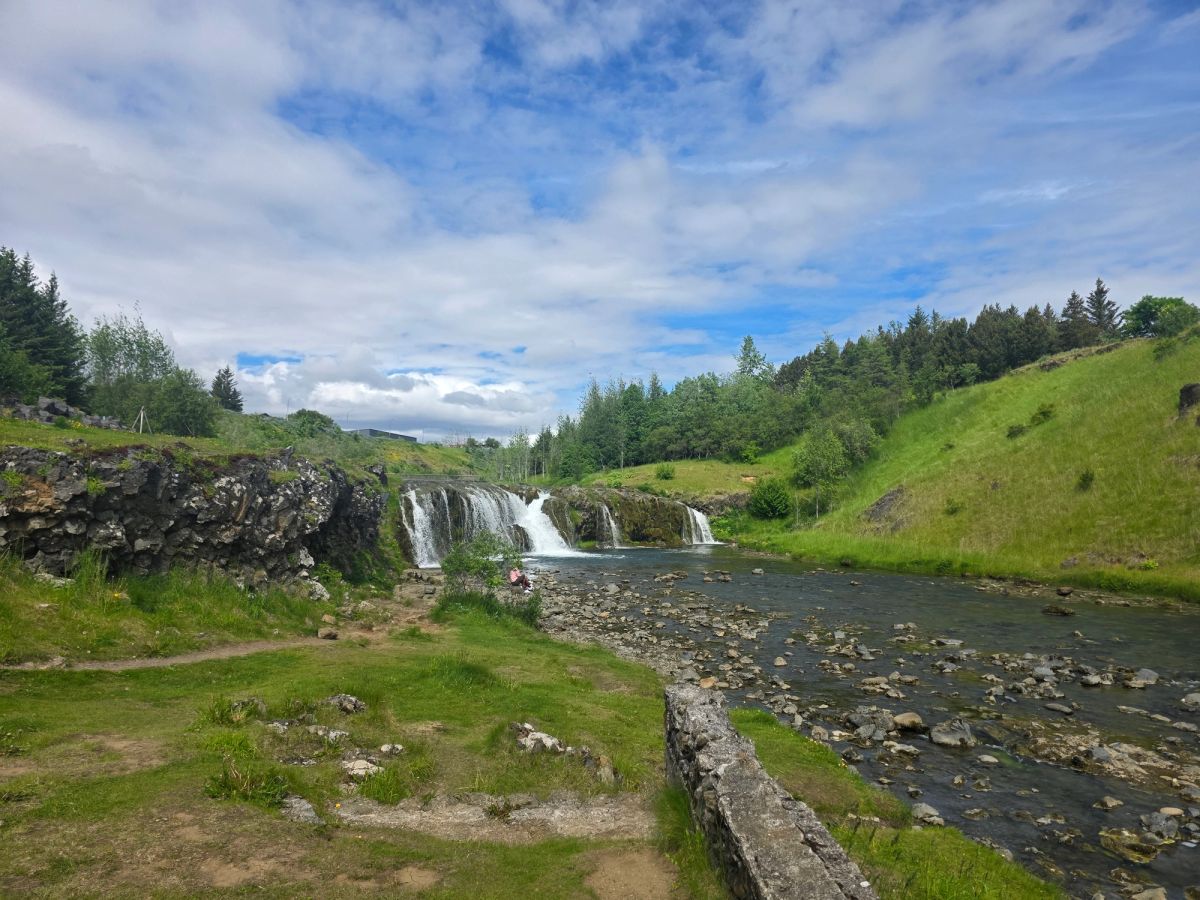
Reykjafoss, often overshadowed by its more famous counterparts, offers a truly authentic and tranquil Icelandic waterfall experience. Located conveniently near the Ring Road, this multi-tiered cascade gracefully descends over ancient, dark volcanic rock formations, creating a series of picturesque drops into the clear, rocky river below. The surrounding landscape is a vibrant tapestry of green, with lush grass covering gentle slopes and sturdy trees clinging to the hillsides, all under a often dramatic Icelandic sky. What to see: The waterfall itself is the main attraction, with its distinct levels providing varied photographic opportunities. The riverbed is strewn with smooth, dark stones, creating a textured foreground for the flowing water. Look for the small paths that wind along the banks, offering different vantage points. A stone wall runs along the river's edge in the foreground, indicating some historical presence or boundary. The area is relatively undeveloped, allowing for an immersive natural experience. Tips: Wear sturdy shoes as the paths can be uneven and muddy, especially after rain. Bring a camera to capture the waterfall's serene beauty. It's an ideal spot for a quiet picnic or simply to sit and absorb the peaceful atmosphere, much like the person seen sitting by the river's edge. While not a massive waterfall, its charm lies in its accessibility and untouched feel.
Folklore
Story & Folklore
As the Icelandic sun dappled through scattered clouds, I found myself drawn to the gentle murmur of Reykjafoss. It wasn't the thundering might of some of Iceland's giants, but a more intimate, comforting embrace. The water, a ribbon of silver, spilled over dark, ancient rocks in multiple graceful steps, each cascade adding its voice to a soothing symphony. Lush green moss clung to the volcanic cliffs, vibrant against the deep blue of the sky. A lone figure sat by the river's edge, seemingly lost in thought, mirroring my own sense of peace. The air was fresh, carrying the scent of damp earth and verdant growth. Here, time seemed to slow, inviting contemplation and a deep connection with nature's quiet artistry. Reykjafoss felt like a secret whispered by the land, a serene pause in the wild beauty of the south.
💡 Did You Know?
"Reykja" often refers to smoke or steam, hinting at geothermal activity in the area, though Reykjafoss itself is a cold waterfall.
Local Legend
The Whispering Waters of Reykjafoss
Local tales whisper that the multi-tiered cascades of Reykjafoss are the tears of a hidden folk maiden, forever weeping for a lost love. It is said that if you listen closely to the rushing water, especially at dusk, you might hear her melancholic song carried on the breeze, a haunting melody of longing and eternal devotion.
Culture
Stories & Legends
Icelandic sagas and folklore from this area
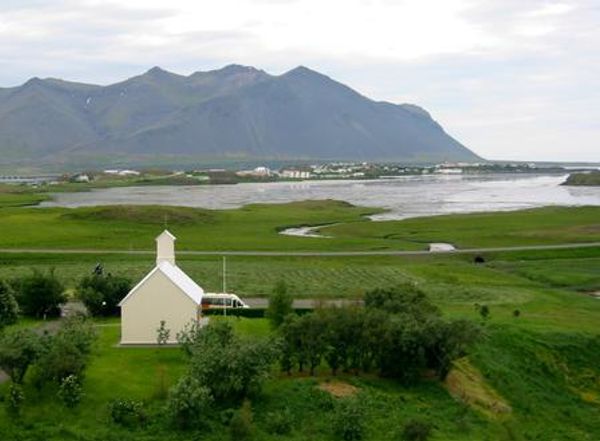
Bakkárholt
Bakkárholt is a historic location in Iceland mentioned in "Harðar saga og Hólmverja", one of the ancient Íslendingasögur (Sagas of Icelanders). These medieval narratives preserve the history of Iceland's Viking Age settlement.
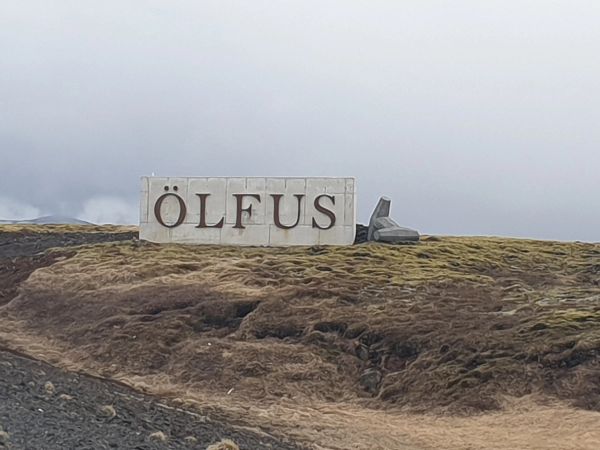
Ölfus
Ölfus is a historic location in Iceland mentioned in "Bárðar saga Snæfellsáss, Flóamanna saga", one of the ancient Íslendingasögur (Sagas of Icelanders). These medieval narratives preserve the history of Iceland's Viking Age settlement.
Explore
Hidden Gems Nearby
✦ Riverside Walking Path
A small, unpaved path winds along the riverbank, offering closer views of the lower cascades and serene spots for quiet contemplation.
It provides unique perspectives and a more intimate connection with the waterfall.
✦ Ancient Stone Wall
Near the foreground, a low, moss-covered stone wall runs parallel to the river, hinting at past land use or a historical boundary.
It adds a touch of historical intrigue to the natural landscape.
Help
Frequently Asked Questions
Location
📍 Location
Discover
Explore Nearby
Places from our database within 1.0 km — all data from Sanity
Loading nearby places…
0 places found within 1.0 km
Plan full itinerary →Explore More