
Orbis et Globus
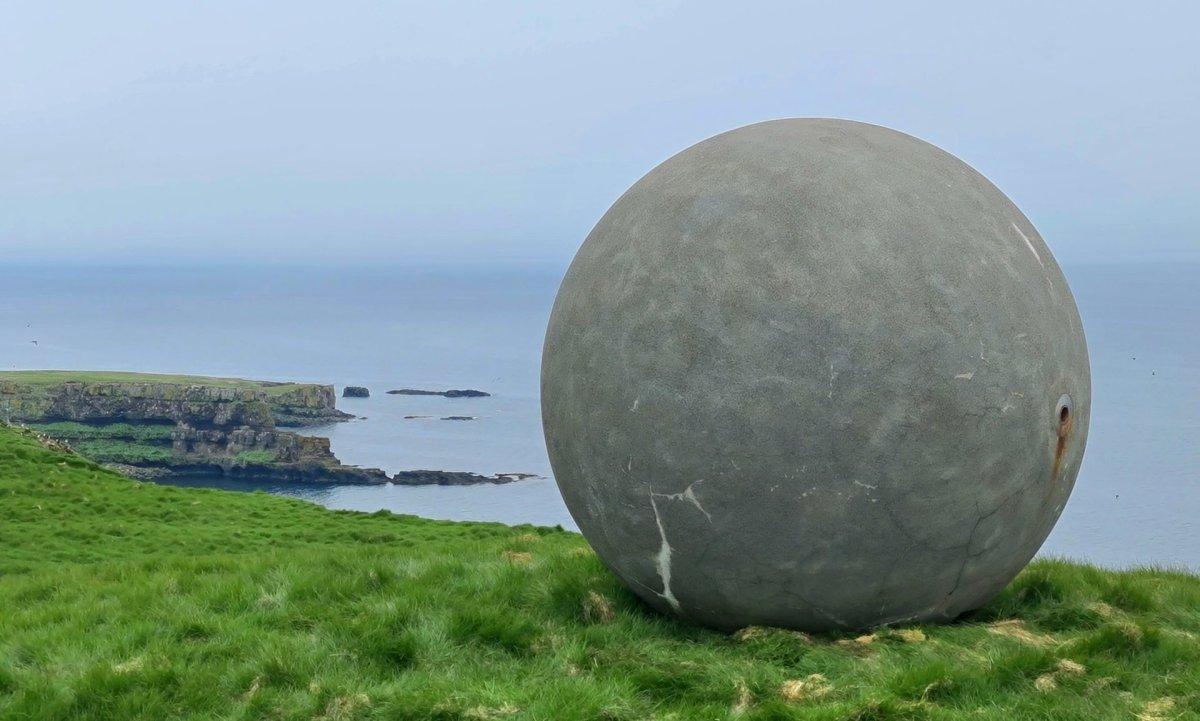
A mysterious concrete sphere overlooking the dramatic North Iceland coast, marking the Arctic Circle.
About
About Orbis et Globus
A mysterious concrete sphere overlooking the dramatic North Iceland coast, marking the Arctic Circle.
Witness this enigmatic sphere against a breathtaking coastal backdrop, a unique blend of art and nature.
Tours Near Orbis et Globus
Akureyri Classic Whale Watching
Elding Adventure at Sea · 3 hours
Whale Watching Tour w/ Transfer from Akureyri
Keli sea tours ehf · 4 hours
Northern Lights & GeoSea Geothermal Baths Tour (From Akureyri)
Imagine Iceland Travel · 5 hours
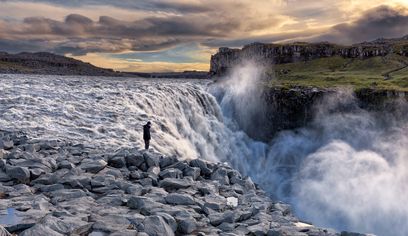
Dettifoss Waterfall, Ásbyrgi and Lake Mývatn - Shore Excursion from Húsavík
BusTravel Iceland · 5 hours 30 minutes
Photos
Gallery
Background
History & Background
Orbis et Globus was inaugurated on August 19, 2017, as a striking and permanent marker for the Arctic Circle on Grímsey island. The project was conceived by Kristinn E. Hrafnsson and designed by G. Ágústsson, aiming to create a monument that was both artistically significant and geographically accurate. The sphere, made of concrete and weighing approximately nine tonnes, was a considerable undertaking to transport and install on the remote island. The unique aspect of Orbis et Globus lies in its dynamic nature. Unlike static monuments, this sphere is designed to be moved. The Arctic Circle is not a fixed line but shifts due to the Earth's axial tilt, moving northward by about 14.5 meters (47 feet) each year. This means that approximately every four decades, the Arctic Circle will have moved sufficiently for Grímsey to exit it temporarily. To maintain its symbolic accuracy, the monument is relocated, ensuring it always sits precisely on the current Arctic Circle. Its creation not only provides a tangible point of interest for visitors keen to experience crossing the Arctic Circle but also serves as an educational tool, highlighting the subtle yet continuous geological and astronomical processes that shape our planet. It stands as a modern testament to Iceland's deep connection with its natural environment and its innovative approach to marking significant geographical features.
Nestled on a verdant, windswept bluff on the northern tip of Grímsey island, Orbis et Globus (Latin for 'Circle and Sphere') is an extraordinary monument that captivates visitors with its stark beauty and profound symbolism. This massive, grey concrete sphere, weathered by the elements and featuring a small, rusty aperture, stands as a solitary sentinel against the backdrop of the dramatic North Atlantic coastline. Its primary function is to mark the Arctic Circle, which passes directly through Grímsey, making it the only part of Iceland to do so. The sphere itself is a testament to the dynamic nature of our planet; due to the Earth's axial tilt, the Arctic Circle shifts approximately 14.5 meters (47 feet) northward each year. Consequently, Orbis et Globus is periodically relocated to ensure it precisely aligns with this ever-moving geographical line, a process that happens roughly every 40 years. The journey to Grímsey is an adventure in itself, typically involving a ferry ride or a short flight from Akureyri. Once on the island, a walk to the monument offers stunning panoramic views of the rugged cliffs, teeming with birdlife, and the expansive, often misty, ocean. The vibrant green grass leading up to the sphere contrasts beautifully with its grey surface and the deep blues of the sea. Visiting Orbis et Globus is more than just seeing a monument; it's an opportunity to stand at a unique intersection of geography, art, and nature, contemplating the vastness of the world and the subtle shifts that define it. Wear warm, waterproof clothing, even in summer, as the weather can change rapidly. The walk to the sphere is relatively easy but exposed. Allow time to simply absorb the atmosphere and the incredible views.
Folklore
Story & Folklore
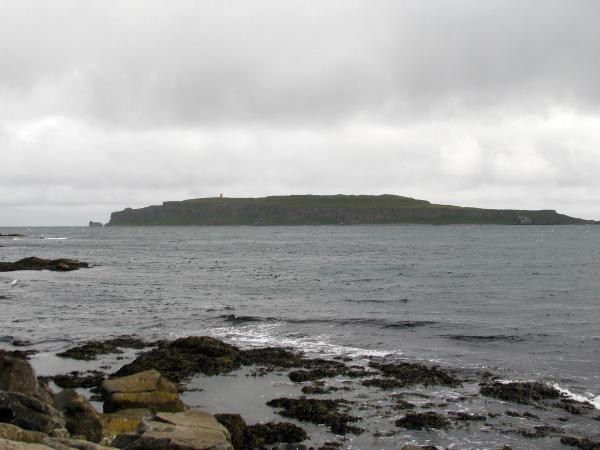
Imagine standing on a windswept, grassy cliff in North Iceland, the air crisp with the scent of the sea. Before you, a colossal, grey concrete sphere, Orbis et Globus, rests like a giant's marble, its surface weathered with subtle cracks and a curious, rusted opening. This isn't just a sculpture; it's a marker, a silent testament to a unique geographical phenomenon. This striking monument on Grímsey island symbolizes the Arctic Circle, a line of latitude that briefly touches Icelandic soil here. As the Earth's tilt shifts, the exact position of the Arctic Circle moves, making Orbis et Globus a dynamic marker. Every few decades, the sphere is actually moved slightly to reflect this celestial dance. Gazing from its perch, you see the dramatic cliffs plunge into the cerulean sea, dotted with smaller rocky outcrops. The misty horizon stretches endlessly, blurring the line between sky and ocean. It’s a place where you feel the profound connection between humanity's attempts to map the world and the raw, untamed power of nature.
Did You Know?
Orbis et Globus marks the Arctic Circle, specifically the point where Grímsey island, North Iceland, crosses it, making it a unique geographical monument that is periodically moved.
Culture
Stories & Legends
Icelandic sagas and folklore from this area
Explore
Hidden Gems Nearby
Grímsey Lighthouse
A charming, traditional lighthouse offering panoramic views of the island and surrounding ocean.
It provides a classic Icelandic coastal scene and excellent photo opportunities.
Birdwatching Cliffs
The dramatic cliffs around Grímsey are home to thousands of seabirds, including puffins, guillemots, and kittiwakes.
Experience incredible wildlife up close, especially during nesting season (May-August).
Arctic Circle Welcome Sign
A simpler, older marker for the Arctic Circle, often found near the airport, offering another photo opportunity.
It's a fun, quirky spot to officially 'cross' the Arctic Circle and get a certificate.
Help
Frequently Asked Questions
Location
Location
Discover
Explore Nearby
Places within 5.0 km
Loading nearby places…
0 places found within 5.0 km
Plan full itinerary →Explore More