
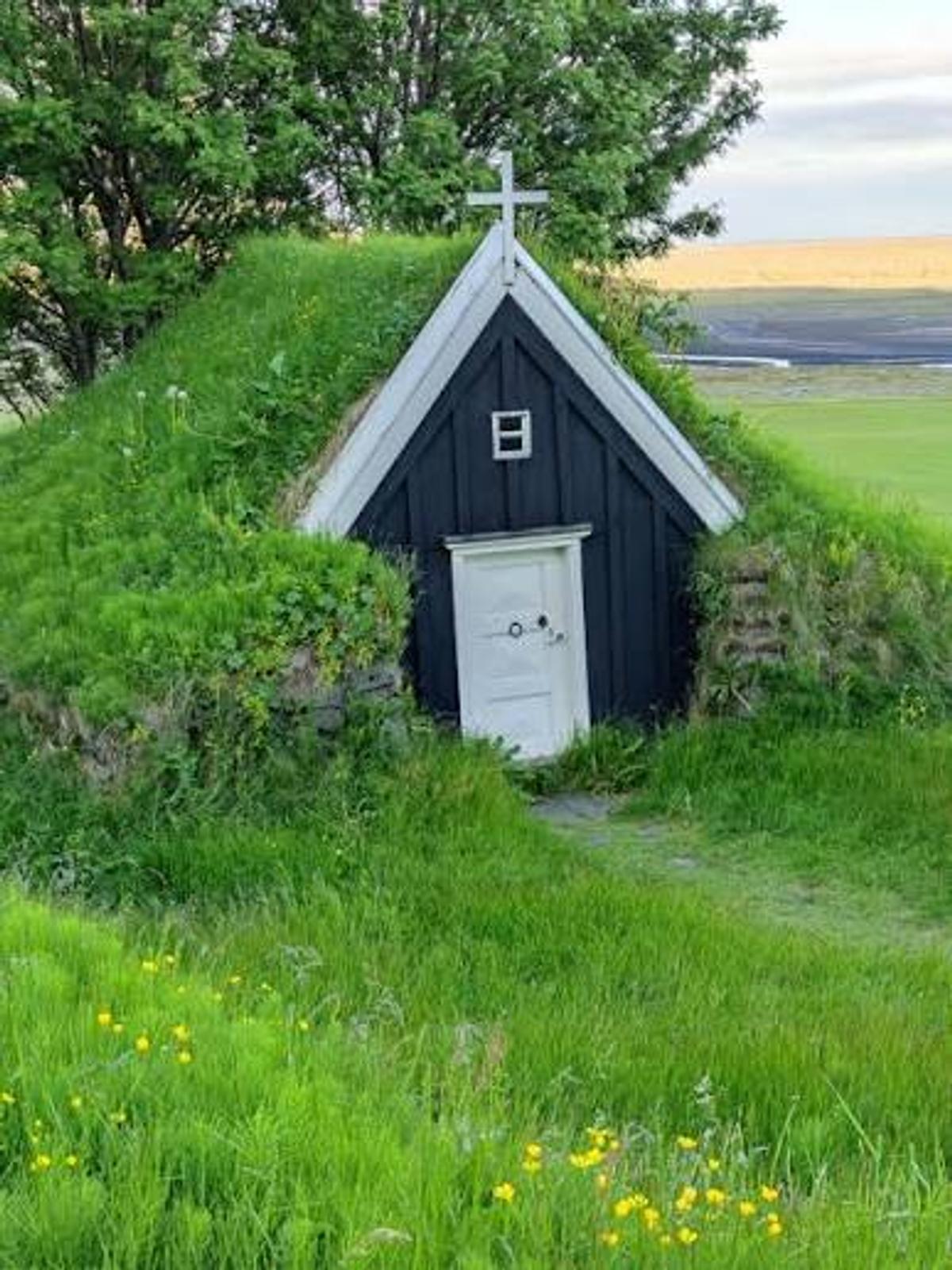
Núpsstaður Turf Church
Historic turf-roofed church at Núpsstaður in Skaftárhreppur.
About
About Núpsstaður Turf Church
Historic turf-roofed church at Núpsstaður in Skaftárhreppur.
See a distinctive surviving turf-roofed church within the historic Núpsstaður farm landscape.
Tours Near Núpsstaður Turf Church

South Coast Tour - Black Sand Beach, Plane wreck, Skogafoss, Seljalandsfoss guided in Chinese冰岛南岸黑沙滩飞机残骸中文一日团
Magic Iceland Travel · 10 hours 30 minutes
DT 322 Private Superjeep South Coast & Eyjafjallajökull Volcano Sights
Superjeep · 8 hours
South Coast Waterfalls, Glacier & Black Sand Beach Tour
BusTravel Iceland · 10 hours
South Coast Small Group Tour: Waterfalls, Glacier & Black Sand Beach
BusTravel Iceland · 10 hours
Photos
Gallery
Background
History & Background
Núpsstaður Turf Church, known in Icelandic as Núpsstaðakirkja or bænhúsið á Núpsstað, holds a special place in Iceland's historical landscape. Dating back to the 19th century, it stands as a beautifully preserved example of traditional Icelandic ecclesiastical architecture from that period. Its construction reflects the ingenuity of the time, utilizing local materials like turf to create structures that were both durable and harmonious with the natural environment, blending seamlessly into the landscape as seen in its vibrant green roof. As a historically significant site located in an abandoned settlement, Núpsstaðakirkja offers invaluable insights into the religious practices and community life of past generations in South Iceland. It is not merely an ancient building but a tangible link to the past, representing a vital part of the country's cultural heritage and the unique challenges faced by communities in remote areas. Its continued preservation ensures that future generations can appreciate the unique architectural and cultural legacy it embodies, serving as a silent testament to enduring faith and traditional craftsmanship amidst the dramatic Icelandic wilderness.
Núpsstaðakirkja stands within the historic Núpsstaður farm site beneath the cliffs west of Skeiðarársandur. This record represents the church specifically, while the separate Núpsstaður record represents the broader farm and site. Access conditions and permitted visitor areas should be respected because the historic property is sensitive.
Did You Know?
Núpsstaður Turf Church is also known by its Icelandic name, Núpsstaðakirkja.
Culture
Stories & Legends
Icelandic sagas and folklore from this area
Djúpárbakki
Djúpárbakki is a historic location in Iceland mentioned in "Njáls saga", one of the ancient Íslendingasögur (Sagas of Icelanders). These medieval narratives preserve the history of Iceland's Viking Age settlement.

Lómagnúpur
Lómagnúpur is a historic location in Iceland mentioned in "Gunnars saga Keldugnúpsfífls", one of the ancient Íslendingasögur (Sagas of Icelanders). These medieval narratives preserve the history of Iceland's Viking Age settlement.
Explore
Hidden Gems Nearby
Saga Connections
Research which Icelandic sagas mention this area before your visit to this attraction.
Reading the relevant saga passages brings the site alive and connects you to events that happened here over 800 years ago.
Landscape Reading
Try to imagine what this place looked like during the settlement era — fewer roads, more birch forests, similar mountains.
The natural landmarks remain largely unchanged, meaning you're seeing much of what the original settlers saw.
Local Heritage Centers
Nearby heritage centers or information boards often have additional context about the site.
Local communities preserve detailed knowledge about their area's history that enhances your understanding.
Help
Frequently Asked Questions
Location
Location
Discover
Explore Nearby
Places within 5.0 km
Loading nearby places…
0 places found within 5.0 km
Plan full itinerary →Explore More