
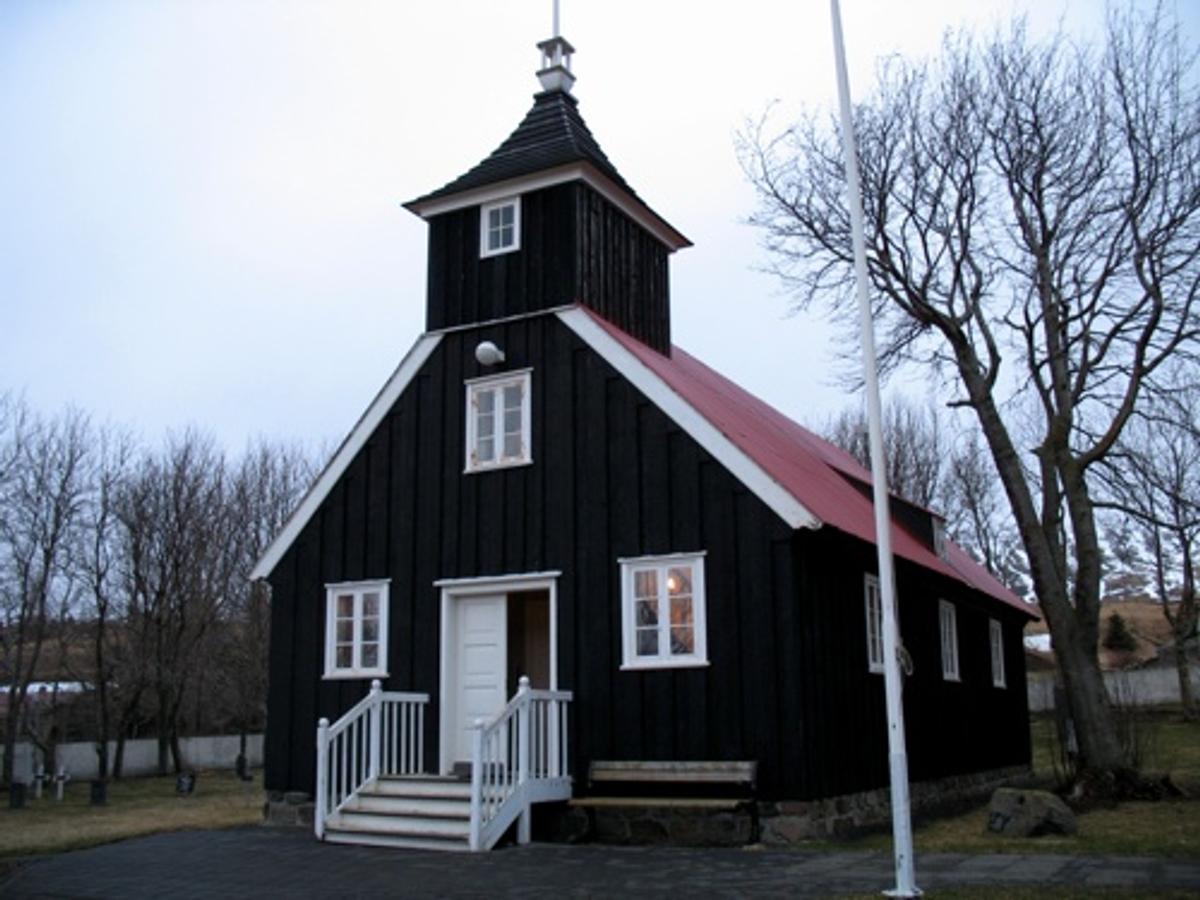
Munkaþverárkirkja
Historic black wooden church with a striking red roof, a former monastery site in Eyjafjörður.
About
About Munkaþverárkirkja
Historic black wooden church with a striking red roof, a former monastery site in Eyjafjörður.
Witness centuries of Icelandic religious history in a distinctive black and red wooden church.
Tours Near Munkaþverárkirkja
Northern Lights & GeoSea Geothermal Baths Tour (From Akureyri)
Imagine Iceland Travel · 5 hours
Private Northern Lights & GeoSea Geothermal Baths Tour (from Akureyri)
Imagine Iceland Travel · 5 hours
Dettifoss Waterfall, Ásbyrgi and Lake Mývatn - Shore Excursion from Húsavík
BusTravel Iceland · 5 hours 30 minutes
(RS) Northern Lights Classic Tour from Akureyri
Imagine Iceland Travel · 2 hours 30 minutes
Photos
Gallery
Background
History & Background
Munkaþverárkirkja stands on ground steeped in history, having been a significant church site and former Benedictine monastery for centuries. The original monastery, founded in 1155, was a prominent center of learning and culture in medieval Iceland, playing a crucial role in the country's religious and intellectual life. It was here that many important manuscripts were copied and preserved. The current wooden church, a testament to enduring faith, was constructed in 1844 by Þorsteinn Daníelsson frá Skipalóni. This structure replaced earlier churches on the site, continuing a long tradition of worship. Its interior was later enhanced for its centenary, with artist Haukur Stefánsson undertaking the painting and decoration of the pulpit. Perhaps one of the most compelling historical aspects is the Sturlungareitur in the churchyard. This burial plot is believed to contain the remains of key figures from the Sturlungar Age, a period of civil war in 13th-century Iceland. Among those thought to be interred here are Sighvatur Sturluson, his sons who perished in the Battle of Örlygsstaðir, and Þorgils skarði, linking the peaceful church to one of the most dramatic sagas in Icelandic history.
Nestled in the scenic Eyjafjörður region of North Iceland, Munkaþverárkirkja is a captivating wooden church that stands out with its distinctive black-painted exterior and a vibrant red roof, accented by crisp white window frames and trim. This historic site, once home to a significant Benedictine monastery, has been a center of spiritual life for centuries. The current timber church, built in 1844 by Þorsteinn Daníelsson, offers a unique insight into traditional Icelandic ecclesiastical architecture. Upon entering, visitors will find a serene interior, which was beautifully re-painted by artist Haukur Stefánsson for its centenary, featuring a decorated pulpit and a choir loft, capable of seating 160 people. The simplicity and warmth of the wooden interior contrast beautifully with the stark exterior. Beyond its architectural beauty, Munkaþverárkirkja holds profound historical significance. The churchyard is home to the Sturlungareitur, a revered burial site believed to be the final resting place of prominent figures from the Sturlungar Age, including Sighvatur Sturluson and his sons, who famously fell in the Battle of Örlygsstaðir, and Þorgils skarði. This connection to one of Iceland's most tumultuous historical periods adds a layer of depth to the visit. The church is not just a place of worship but a custodian of national memory, reflecting Iceland's journey from its pagan roots to its Christian identity established in 1000 AD. A visit here offers a peaceful reflection on history, faith, and the enduring spirit of the Icelandic people.
Folklore
Story & Folklore
Imagine a crisp Icelandic morning, much like the one painting the sky above Munkaþverárkirkja. This striking black wooden church, with its vibrant red roof and pristine white trim, stands as a testament to centuries of faith and history in Eyjafjörður. Built in 1844, it replaced earlier structures on a site that was once home to a significant Benedictine monastery, a beacon of learning and spirituality in medieval Iceland. As you approach the white-railed steps, you can almost hear the echoes of monks' chants. Beyond its architectural charm, the churchyard holds a poignant secret: the Sturlungareitur, a burial plot believed to cradle the remains of powerful figures from the tumultuous Sturlungar Age, including Sighvatur Sturluson and his sons. Visiting Munkaþverárkirkja isn't just seeing a church; it's stepping into a living saga.
Did You Know?
The churchyard at Munkaþverárkirkja contains the Sturlungareitur, believed to be the resting place of figures like Sighvatur Sturluson from the Saga Age.
Culture
Stories & Legends
Icelandic sagas and folklore from this area
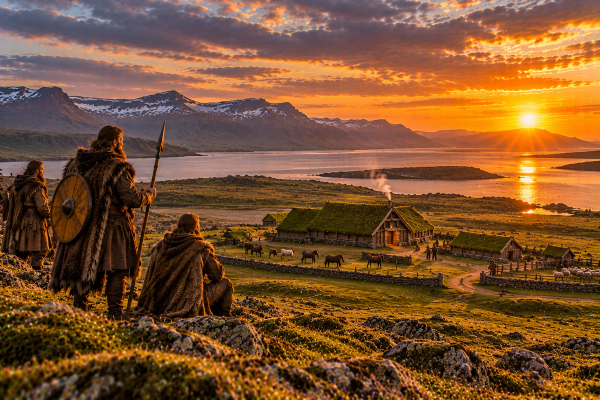
Borgarhóll
Borgarhóll is a historic location in Iceland mentioned in "Víga-Glúms saga", one of the ancient Íslendingasögur (Sagas of Icelanders). These medieval narratives preserve the history of Iceland's Viking Age settlement.
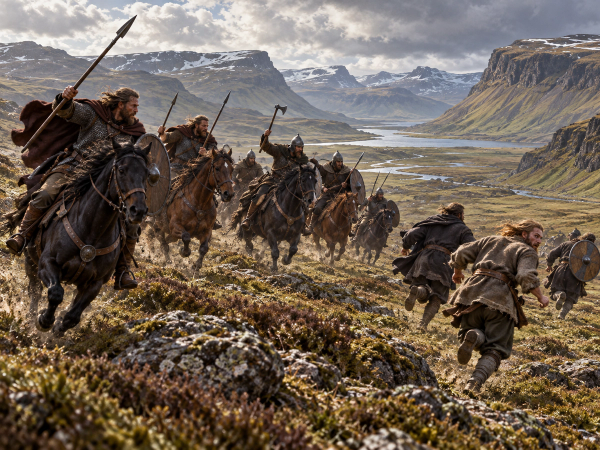
Eyjafjarðará
Eyjafjarðará is a historic location in Iceland mentioned in "Ljósvetninga saga", one of the ancient Íslendingasögur (Sagas of Icelanders). These medieval narratives preserve the history of Iceland's Viking Age settlement.
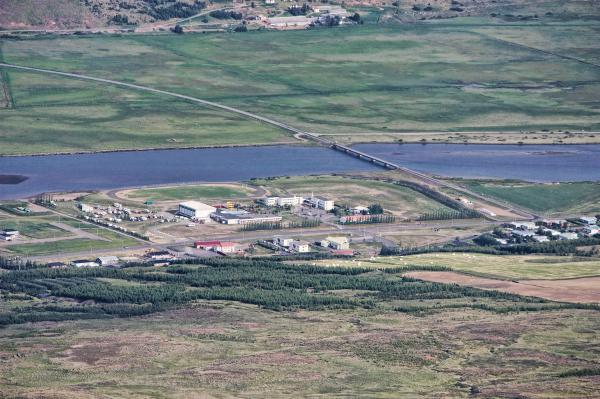
Hrafnagil
Hrafnagil is a historic location in Iceland mentioned in "Ljósvetninga saga", one of the ancient Íslendingasögur (Sagas of Icelanders). These medieval narratives preserve the history of Iceland's Viking Age settlement.
Kroppur
Kroppur is a historic location in Iceland mentioned in "Reykdæla saga og Víga-Skútu", one of the ancient Íslendingasögur (Sagas of Icelanders). These medieval narratives preserve the history of Iceland's Viking Age settlement.
Explore
Hidden Gems Nearby
Sturlungareitur (Sturlung Burial Site)
Explore the historic churchyard to find the Sturlungareitur, believed to be the resting place of powerful figures from the 13th-century Sturlungar Age, including Sighvatur Sturluson.
It offers a tangible connection to one of Iceland's most dramatic historical periods.
Interior Artwork
Step inside to admire the beautiful interior, painted and adorned by Haukur Stefánsson for the church's centenary, including a specially decorated pulpit.
The artwork provides a serene and historically significant artistic experience.
Help
Frequently Asked Questions
Location
Location
Discover
Explore Nearby
Places within 5.0 km
Loading nearby places…
0 places found within 5.0 km
Plan full itinerary →Explore More