

Ljósavatnsskarð
Discover Ljósavatnsskarð, a majestic pass in East Iceland where folklore intertwines with stunning green and snow-streaked landscapes.
At a Glance
Visit time
1-2 hours for scenic views and short walks, longer for extensive hiking.
Best Season
Late Spring to Early Summer (May-July) for melting snow and vibrant green, or late Summer (August-September) for hiking.
Getting There
Accessible via a well-maintained paved road (likely part of a regional route). Parking is typically informal roadside or at designated viewpoints.
GPS
65.7167, -17.7792
About
About Ljósavatnsskarð
Discover Ljósavatnsskarð, a majestic pass in East Iceland where folklore intertwines with stunning green and snow-streaked landscapes.
Explore a culturally significant location, where Iceland's rich sagas and folklore come alive amidst stunning natural beauty.
Tours Near Ljósavatnsskarð
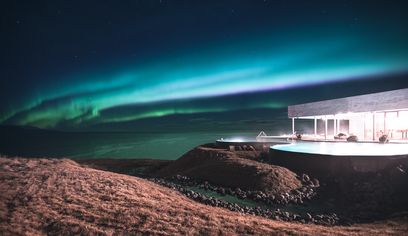
Northern Lights & GeoSea Geothermal Baths Tour (From Akureyri)
Imagine Iceland Travel · 5 hours
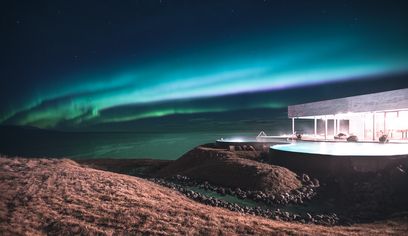
Private Northern Lights & GeoSea Geothermal Baths Tour (from Akureyri)
Imagine Iceland Travel · 5 hours
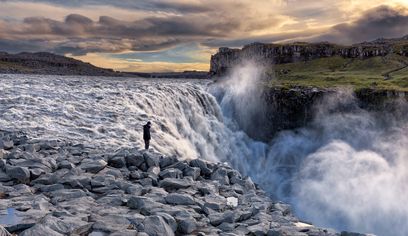
Dettifoss Waterfall, Ásbyrgi and Lake Mývatn - Shore Excursion from Húsavík
BusTravel Iceland · 5 hours 30 minutes
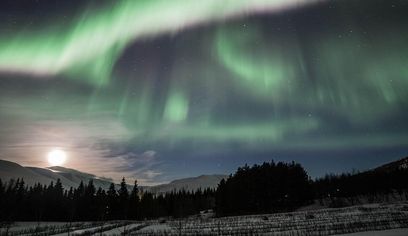
(RS) Northern Lights Classic Tour from Akureyri
Imagine Iceland Travel · 2 hours 30 minutes
Photos
Gallery
Background
History & Background
Ljósavatnsskarð is deeply embedded in Iceland's rich cultural and historical heritage, a testament to a time when oral traditions and the natural world were inextricably linked. The name itself, meaning 'Pass of the Lake of Light,' hints at its ancient significance, possibly as a crucial route or a place of spiritual importance. Iceland's sagas, among the most important literary works of the Middle Ages, often feature landscapes like Ljósavatnsskarð as settings for heroic deeds, complex family feuds, and encounters with the supernatural. These narratives, alongside a vibrant tradition of folklore featuring elves, trolls, and other mythical beings, illustrate how Icelanders have long interpreted their dramatic environment through the lens of storytelling. The mountains, valleys, and passes were not just geographical features but characters in their own right, imbued with personality and power, shaping the lives and beliefs of those who traversed them.
Ljósavatnsskarð is more than just a scenic mountain pass; it's a living canvas of Iceland's profound connection to its past, where the raw beauty of nature meets centuries of storytelling. Located in East Iceland, this site embodies the country's rich tradition of folklore, sagas, and ancient stories passed down through generations. The expansive green slopes, punctuated by dramatic white streaks of melting snow even into summer, invite visitors to imagine the hidden folk and mythical creatures that are said to inhabit these lands. The clear blue sky overhead further enhances the sense of untouched wilderness. Visiting Ljósavatnsskarð offers a unique opportunity to immerse yourself in Icelandic cultural heritage. While there are no grand monuments, the significance lies in the landscape itself. Each fold in the mountain, each stream fed by the snowmelt, contributes to the narrative of a land shaped by both geological forces and human imagination. Take time to simply absorb the vastness, listen to the wind, and let your imagination wander, connecting with the spirits of the sagas. It's a place for quiet contemplation and appreciation of Iceland's enduring legacy.
Folklore
Story & Folklore
Long ago, it was said that the very snowmelt cascading down Ljósavatnsskarð's verdant slopes carried whispers of ancient spirits. One such tale speaks of a benevolent mountain spirit, a 'Huldumaður' (hidden person), who resided in the deepest gully, where the snow lingered longest, as seen tracing white lines down the mountain. He was the guardian of the pass, ensuring safe passage for travelers and prosperity for the scattered farms below. Farmers would leave offerings of milk and bread at the base of the snow-streaked ravines, believing that his favor would bring a bountiful harvest and protect their livestock from the harsh elements. They say if you listen closely on a clear summer day, with the sun glinting off the remaining snow patches against the vivid blue sky, you might still hear the gentle murmur of his ancient song carried on the wind, a timeless melody echoing across the green expanse.
Did You Know?
Icelandic folklore features elves, trolls, and other mythical beings deeply tied to the landscape, making places like Ljósavatnsskarð potential homes for these hidden folk.
Explore
Hidden Gems Nearby
Huldumaður's Grotto
Seek out the deepest gully where snow lingers longest, said to be the dwelling of the benevolent mountain spirit. Look for unusual rock formations or clear spring water.
It's the heart of the local legend, offering a tangible connection to the folklore.
Ancient Shepherd's Cairn
Along the lower slopes, you might discover an old stone cairn, possibly built by shepherds centuries ago to mark paths or serve as a resting spot. These are often linked to old tales.
These humble structures are silent witnesses to centuries of human presence and stories.
Melting Snowfall Streams
Follow the small, clear streams fed by the melting snow, cascading down the green slopes. These pristine waters are a vital part of the ecosystem and offer serene spots for reflection.
Experience the raw, pure essence of the Icelandic landscape and its natural water cycle.
Help
Frequently Asked Questions
Location
Location
Discover
Explore Nearby
Places within 5.0 km
Loading nearby places…
0 places found within 5.0 km
Plan full itinerary →Explore More