
Kvennagjá
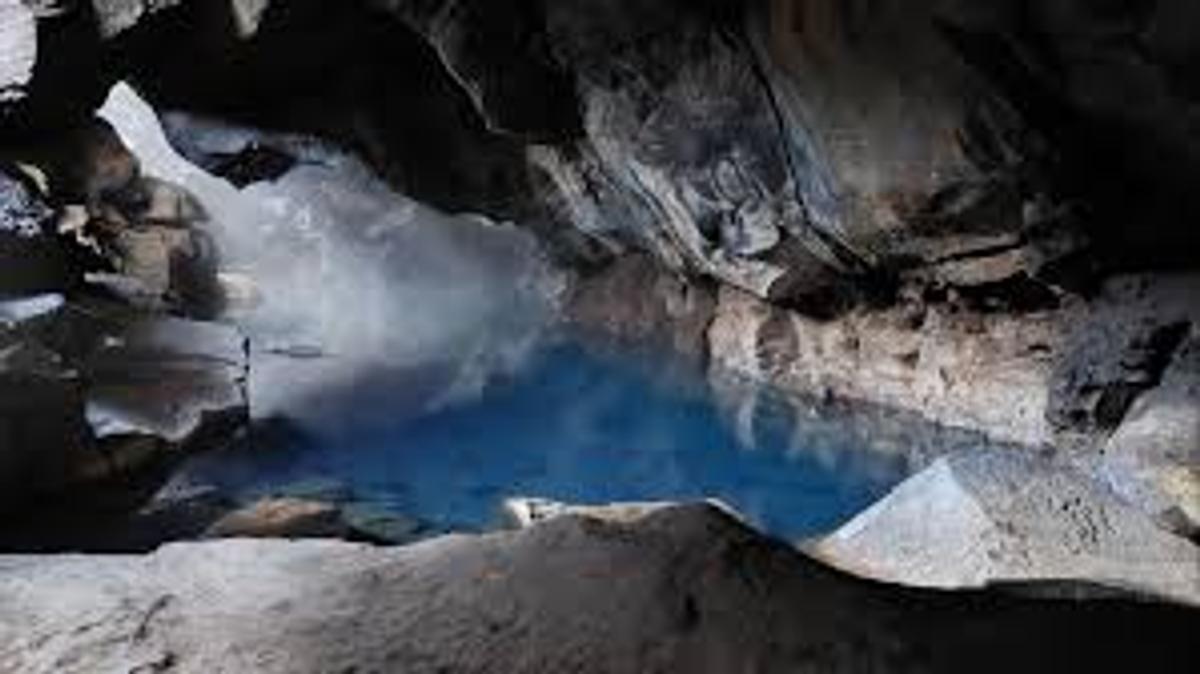
Descend into Kvennagjá, a dramatic lava tube in North Iceland, to witness its mystical blue geothermal pool shrouded in steam.
About
About Kvennagjá
Descend into Kvennagjá, a dramatic lava tube in North Iceland, to witness its mystical blue geothermal pool shrouded in steam.
Experience the unique beauty of a geothermally heated blue pool nestled within an ancient lava tube.
Tours Near Kvennagjá
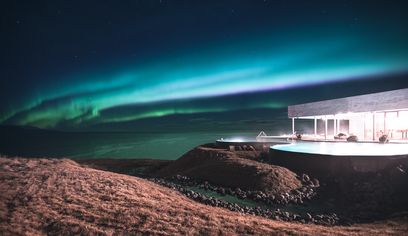
Northern Lights & GeoSea Geothermal Baths Tour (From Akureyri)
Imagine Iceland Travel · 5 hours
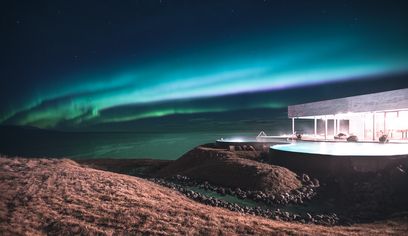
Private Northern Lights & GeoSea Geothermal Baths Tour (from Akureyri)
Imagine Iceland Travel · 5 hours
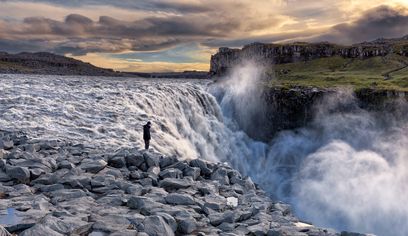
Dettifoss Waterfall, Ásbyrgi and Lake Mývatn - Shore Excursion from Húsavík
BusTravel Iceland · 5 hours 30 minutes
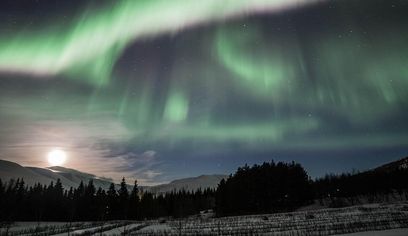
(RS) Northern Lights Classic Tour from Akureyri
Imagine Iceland Travel · 2 hours 30 minutes
Photos
Gallery
Background
History & Background
Kvennagjá, like many of Iceland's remarkable subterranean formations, owes its existence to the island's intense volcanic history. Thousands of years ago, during periods of significant lava flows, this particular cave was formed as a lava tube. The process begins when molten lava flows across the landscape; the outer layers exposed to the cooler air begin to solidify and form a crust. Beneath this newly formed crust, the superheated, molten rock continues to flow unimpeded. Over time, as the volcanic eruption subsides or the lava stream diverts, the molten rock drains away from within these hardened channels. This leaves behind a hollow, tunnel-like structure – a lava tube. Kvennagjá is a prime example of this geological phenomenon, showcasing the incredible power and artistry of nature. The significance of Kvennagjá lies not only in its geological origins but also in its accessibility, offering visitors a unique opportunity to step inside one of these ancient formations. Its captivating geothermal pool adds a unique dimension, demonstrating the ongoing thermal activity beneath Iceland's surface, making it a living testament to the island's fiery past and present.
Kvennagjá is a captivating lava tube situated in North Iceland, a region renowned for its dramatic volcanic landscapes. Formed thousands of years ago during intense volcanic activity, this cave offers a profound insight into the geological forces that shaped the island. As superheated lava flowed across the surface, its outer layers solidified, while the molten rock beneath continued to surge, eventually draining to create these remarkable hollow tubes and caverns. Upon entering Kvennagjá, visitors are immediately immersed in a world of ancient rock and profound quiet. The cave's most striking feature, vividly captured in images, is its stunning geothermally heated blue pool. This vibrant azure water, often veiled in atmospheric steam, creates a mystical ambiance, reflecting the rugged, dark rock formations of the cave ceiling. It's a truly unique visual spectacle, a stark contrast between the cool, dark cave and the inviting warmth of the water. Exploring Kvennagjá provides an opportunity to marvel at the intricate textures and patterns left by the cooling lava. While not as extensive as some larger cave systems, its accessible nature makes it a rewarding stop for those interested in Iceland's subterranean wonders. Remember to wear sturdy shoes and a warm layer, as cave temperatures are consistently cool. Photography is highly recommended to capture the ethereal beauty of the blue pool and the unique cave environment. It's a perfect spot for those seeking a tranquil yet awe-inspiring natural encounter, showcasing Iceland's unparalleled geological heritage.
Folklore
Story & Folklore
Deep within the rugged embrace of North Iceland lies Kvennagjá, a testament to the island's fiery genesis. Thousands of years ago, rivers of molten lava carved this subterranean realm. As the outer crust cooled, the scorching heart continued its relentless flow, eventually draining away to leave behind this magnificent, hollowed-out tube. Stepping inside today, one is immediately struck by the primal beauty. The air is cool and damp, the silence profound, save for perhaps the gentle drip of water echoing off ancient rock. Then, the ethereal blue of the geothermal pool emerges from the shadows, its surface often shimmering with a delicate mist that seems to dance above the warm waters. It feels like entering a hidden world, a sacred space where the earth's raw power has sculpted a masterpiece, inviting contemplation and wonder at the forces that shaped this incredible land. The vivid blue, reflecting the hidden sky above, creates a mesmerizing contrast against the dark, rugged cave walls, making it an unforgettable encounter with Iceland's geological wonders.
Did You Know?
Kvennagjá, like many Icelandic lava tubes, was formed by molten rock flowing beneath a hardened surface, creating hollow caverns that can be millions of years old.
Culture
Stories & Legends
Icelandic sagas and folklore from this area

Reykjahlíð
Reykjahlíð is a historic location in Iceland mentioned in "Ljósvetninga saga", one of the ancient Íslendingasögur (Sagas of Icelanders). These medieval narratives preserve the history of Iceland's Viking Age settlement.
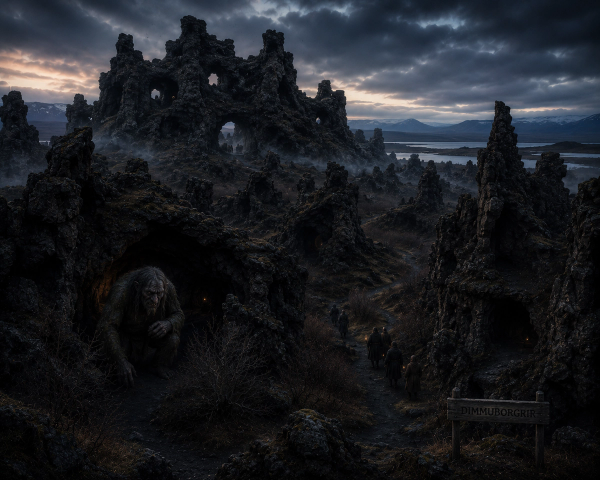
Dimmuborgir – The Dark Fortress of North Iceland
Discover Dimmuborgir, a volcanic wonderland where legends of trolls and the devil still echo.

Grýla, the Yule Lads & the Yule Cat
Beware Grýla! The Yule Lads & their terrifying feline nemesis.
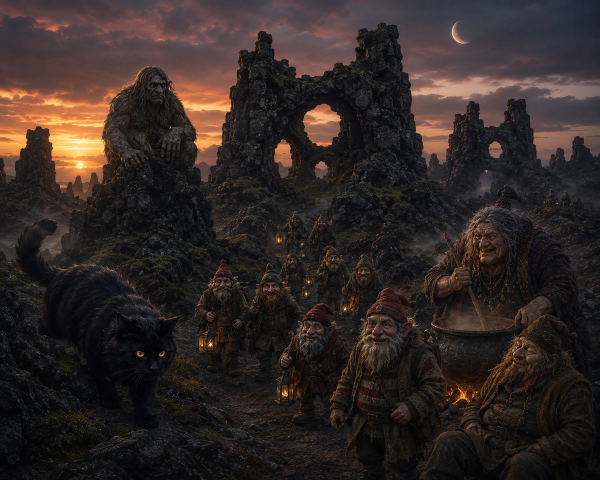
Dimmuborgir – City of Trolls
Explore Dimmuborgir, where volcanic rock formations become a mystical city for trolls.
Explore
Hidden Gems Nearby
Grjótagjá Cave
Just a short distance away, Grjótagjá is another lava cave famous for its beautiful geothermal spring, once a popular bathing spot and featured in Game of Thrones.
Discover another enchanting subterranean hot spring within a lava tube.
Hverir Geothermal Area
Witness the raw power of Iceland's geothermal activity at Hverir, a stark landscape of bubbling mud pots, steaming fumaroles, and vibrant mineral deposits.
Experience the otherworldly sights and smells of a highly active geothermal field.
Dimmuborgir Lava Formations
Explore the dramatic and fantastical lava pillars and formations of Dimmuborgir, often referred to as the 'Dark Castles', a unique natural labyrinth.
Wander through a mythical landscape of towering volcanic sculptures.
Help
Frequently Asked Questions
Location
Location
Discover
Explore Nearby
Places within 5.0 km
Loading nearby places…
0 places found within 5.0 km
Plan full itinerary →Explore More