Kópavogskirkja Church
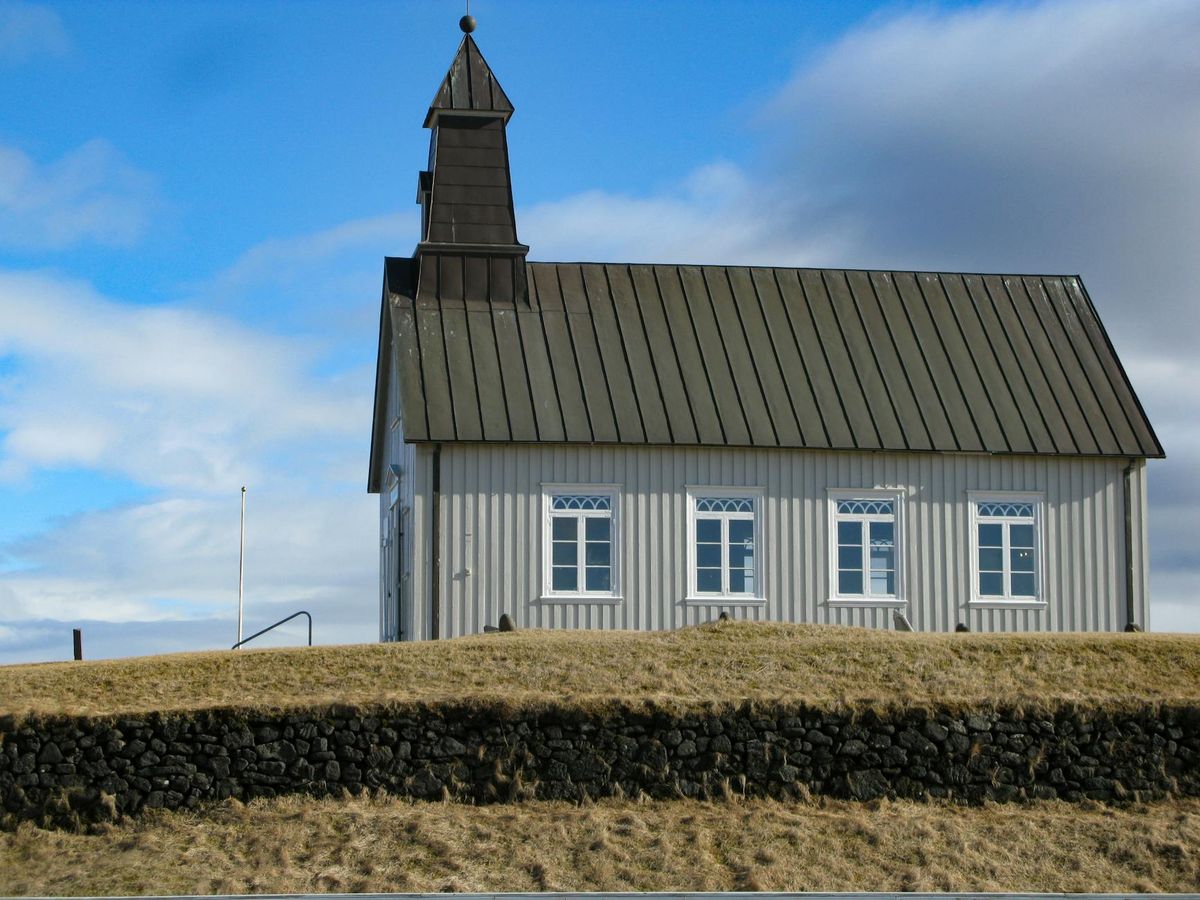
Modernist church in Kópavogur with unique boat-like architecture and distinctive skyline silhouette.
At a Glance
Visit time
30-45 minutes to appreciate its architecture and views.
Best season
Daylight hours for exterior views, check local listings for interior access.
Access
Easily accessible by car or public transport in Kópavogur. Situated on Borgarholt hill, offering excellent views.
GPS
64.1123, -21.9130
About
About Kópavogskirkja Church
Modernist church in Kópavogur with unique boat-like architecture and distinctive skyline silhouette.
Experience a striking architectural landmark and the oldest church in Kópavogur with panoramic views.
Background
History & Background
Kópavogskirkja stands proudly as the oldest church in Kópavogur, a town within Iceland's vibrant Capital Region. Perched atop Borgarholt hill, its strategic location ensures it's not merely a place of worship but a highly visible and cherished landmark, defining the local landscape for decades. Since its inception, the church has defined the town's skyline with its distinctive modernist, boat-like architecture. This unique design has made it an instantly recognizable feature, symbolizing both the spiritual heart of Kópavogur and its modern architectural identity, setting it apart from more traditional Icelandic churches. Its prominence extends beyond the town limits, making it a significant point of reference across the wider Capital Region. The church's enduring presence on Borgarholt hill underscores its importance as a cultural and historical anchor for the community, a beacon of faith and design.
Kópavogskirkja, the oldest church in Kópavogur, is an unmissable landmark proudly situated atop Borgarholt hill. Its distinctive modernist architecture, often described as boat-like, creates a truly unique silhouette that has become synonymous with the town's skyline. This striking design ensures its visibility from various points across the entire Capital Region, making it a prominent and easily recognizable feature for both residents and visitors. Upon arrival, visitors are immediately struck by the church's commanding presence and elegant lines. Its design, a departure from traditional Icelandic church architecture, offers a fascinating insight into 20th-century ecclesiastical design in Iceland. The interior, reflecting its modernist exterior, provides a serene space for contemplation, though details are best discovered in person. Beyond its architectural appeal, Kópavogskirkja serves as a vital community hub and a symbol of Kópavogur's heritage. Its elevated position on Borgarholt hill also affords magnificent panoramic views of the surrounding area, making it an ideal spot for photography and enjoying the vast Icelandic landscape. Whether you're an architecture enthusiast, a history buff, or simply seeking a tranquil moment with a view, Kópavogskirkja offers a compelling experience. It stands as a testament to the town's history and its forward-thinking spirit, inviting all to discover its unique charm.
Folklore
Story & Folklore
Perched majestically on Borgarholt hill, Kópavogskirkja stands as a beacon of modern design and spiritual solace. Its unique, boat-like silhouette cuts a striking figure against the Icelandic sky, a testament to its architectural ingenuity. As the oldest church in Kópavogur, it holds a profound sense of history and community spirit within its walls. From distant vantage points across the Capital Region, its distinctive form catches the eye, drawing visitors and locals alike to its serene presence. Visiting Kópavogskirkja is more than just an architectural appreciation; it’s an opportunity to connect with a cornerstone of Kópavogur’s identity, a place where art, faith, and landscape converge to create an unforgettable landmark. Its enduring presence on the hill offers a quiet contemplation, inviting all to witness its unique blend of heritage and contemporary vision.
💡 Did You Know?
Kópavogskirkja is not only the oldest church in Kópavogur but also a key landmark, strikingly visible from various points in the Capital Region.
Local Legend
The Guiding Silhouette of Borgarholt Hill
While no ancient legend directly details Kópavogskirkja, its prominent position and striking silhouette have inspired a modern, metaphorical lore. Locals often speak of its distinctive form, visible from afar across the Capital Region, as a comforting presence and a guiding landmark, a contemporary beacon of the town's spirit.
Culture
Stories & Legends
Icelandic sagas and folklore from this area

Reykjavík
Reykjavík is a historic location in Iceland mentioned in "Harðar saga og Hólmverja", one of the ancient Íslendingasögur (Sagas of Icelanders). These medieval narratives preserve the history of Iceland's Viking Age settlement.
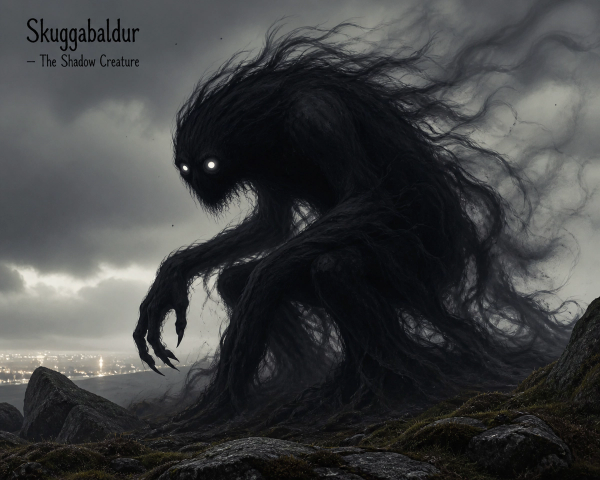
Skuggabaldur – The Shadow Creature
Skuggabaldur: A phantom dog guarding forgotten paths.
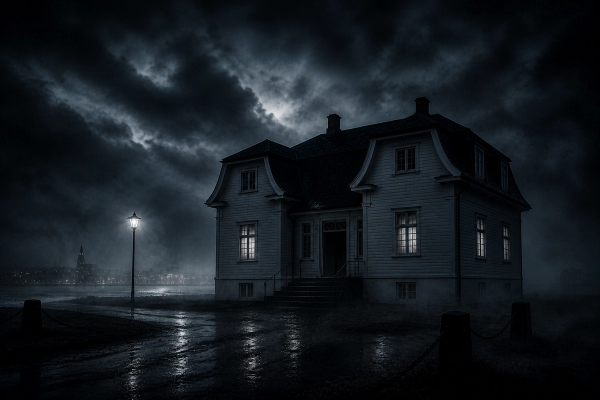
Höfði House – Reykjavík's Haunted Mansion
Höfði House: Reykjavík's historic mansion with a chilling paranormal past.

The Settlement of Iceland – Land of Fire and Freedom
Iceland: Land of Fire and Freedom, forged by Vikings and volcanic might.
Explore
Hidden Gems Nearby
✦ Architecture Details
Look closely at the architectural details of this attraction — each element has cultural significance.
Icelandic churches blend Nordic, European, and uniquely Icelandic design elements that tell their own story.
✦ Cemetery Stories
If there is an adjacent cemetery, the headstones often tell fascinating stories about local families.
Icelandic naming conventions (patronymic system) mean you can trace family connections through the generations.
Help
Frequently Asked Questions
Location
📍 Location
Discover
Explore Nearby
Places from our database within 1.0 km — all data from Sanity
Loading nearby places…
0 places found within 1.0 km
Plan full itinerary →Explore More