
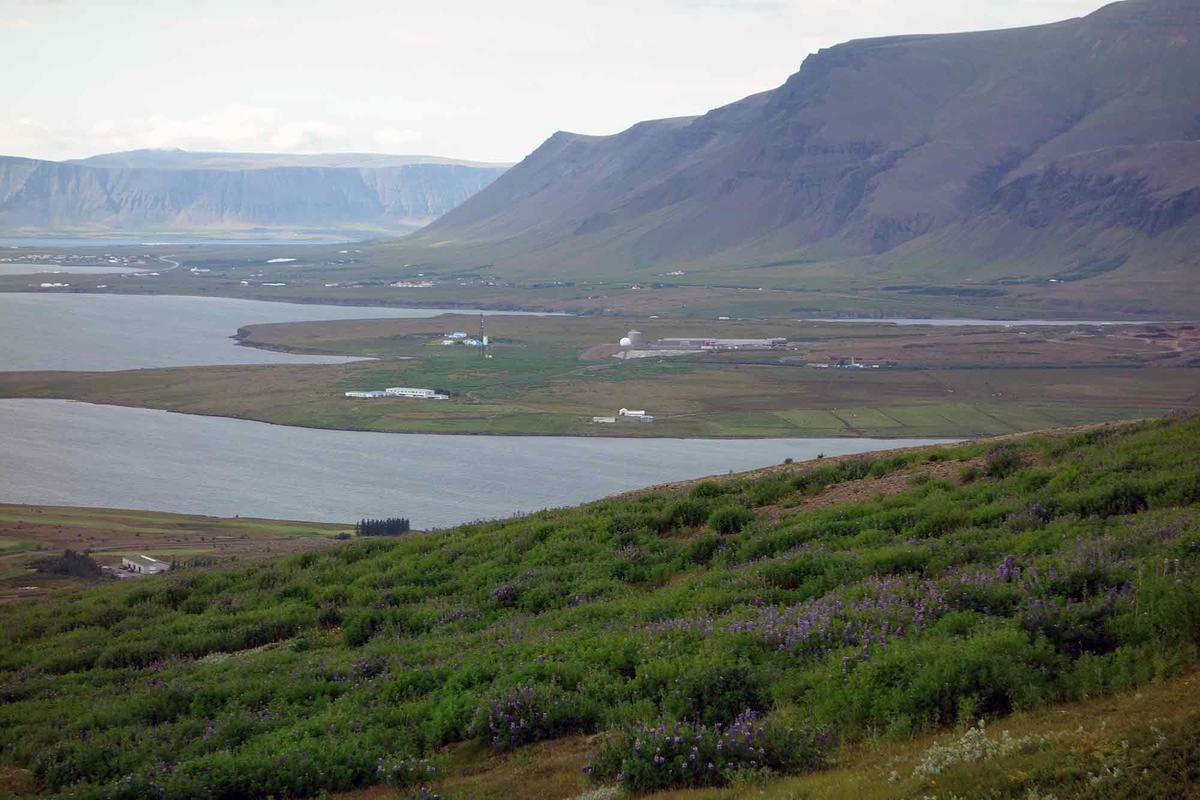
Kollafjörður
Kollafjörður: where ancient sagas echo across serene waters and dramatic mountains.
At a Glance
Visit time
30 mínútur til 1 klukkustund fyrir útsýnisstopp og myndatökur, lengur fyrir rólegar gönguferðir.
Best Season
Sumar (júní-ágúst) fyrir villiblóm og tært útsýni, síðdegis fyrir gyllt ljós.
Getting There
Auðvelt aðgengi um malbikaða vegi, venjulega Hringveginn eða staðbundnar leiðir sem liggja frá honum, með bílastæðum á útsýnisstöðum.
GPS
64.1998, -21.7957
About
About Kollafjörður
Kollafjörður: where ancient sagas echo across serene waters and dramatic mountains.
Explore a landscape where ancient sagas and folklore come alive amidst stunning natural beauty and peaceful vistas.
Tours Near Kollafjörður
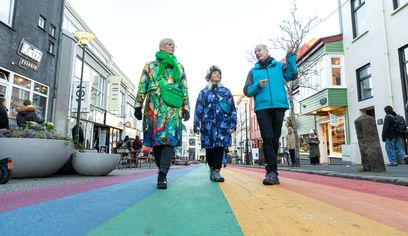
Private Reykjavik LGBTQ+ City Walk
Your Friend in Reykjavik · 3 hours
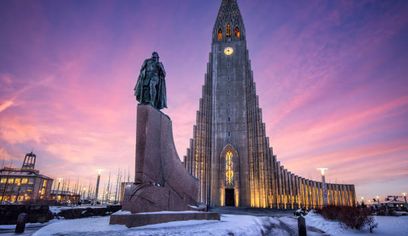
Private Reykjavik City Tour
Icelimo Luxurytravel · 4 hours
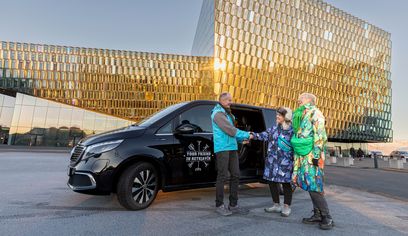
Private 3 hour Reykjavik Driving Tour
Your Friend in Reykjavik · 3 hours

Private 4 hour Reykjavik Driving Tour
Your Friend in Reykjavik · 4 hours
Photos
Gallery
Background
History & Background
Kollafjörður holds a special place in Iceland's cultural tapestry, deeply rooted in the country's rich tradition of folklore and sagas. These ancient stories, passed down through generations, often feature the dramatic Icelandic landscape as a living character, and Kollafjörður is no exception. The fjord's imposing mountains and serene waters have long been the backdrop for tales of mythical beings, hidden folk (Huldufólk), and legendary events. Iceland's sagas, considered among the most important literary works of the Middle Ages, frequently reference locations like Kollafjörður, embedding them in the national consciousness. While specific historical events directly tied to Kollafjörður might be less documented than its mythological connections, its enduring presence in oral traditions and written sagas underscores its significance as a place where the veil between the ordinary and the legendary feels thin. It is a testament to how deeply Icelanders connect their identity and history to the land itself.
Kollafjörður, a stunning fjord in Iceland's Capital Region, is much more than just a picturesque waterway; it is a landscape deeply intertwined with the nation's rich historical and cultural heritage. From the vantage point overlooking the fjord, visitors are greeted by a breathtaking panorama: calm, grey-blue waters curving around verdant peninsulas, backed by majestic, dark-hued mountains that rise dramatically into the sky. In the foreground, the hillsides are a riot of color, particularly in summer, blanketed by countless purple lupine flowers that add a vibrant contrast to the green and grey tones of the landscape. This area is a site of significant cultural importance, connected to Iceland's legendary sagas and the enduring tradition of folklore. The very air seems to hum with ancient stories of elves, trolls, and other mythical beings said to inhabit the rugged terrain. While there are modern structures visible, such as the distant radar dome and scattered buildings along the shore, they do not detract from the overwhelming sense of natural grandeur and timelessness. A visit here offers not only incredible photographic opportunities but also a chance for quiet contemplation, allowing one to imagine the sagas unfolding in this very setting. Take time to breathe in the crisp air, admire the expansive views, and perhaps even feel the presence of the 'hidden folk' said to reside within these captivating hills.
Folklore
Story & Folklore
The mist hung low over Kollafjörður, clinging to the rugged mountain peaks that framed the tranquil waters. A lone traveler, hiking through the vibrant green slopes dotted with countless purple lupines, paused to take in the profound silence. It was a silence not empty, but full – imbued with the whispers of ages past. Here, where the wind carried the scent of wild blooms and the distant cry of a bird, one could almost hear the voices of the Hidden Folk. Legends spoke of them dwelling within these very hills, their songs carried on the breeze across the fjord. The traveler felt a deep connection to the land, a sense of ancient stories unfolding with every rustle of grass. This was more than just a beautiful vista; it was a living page from Iceland's sagas, a place where myth intertwined with the very fabric of the landscape.
Did You Know?
Did you know the dramatic mountains and serene waters of Kollafjörður are believed to be home to hidden folk and mythical creatures from Icelandic lore, as told in ancient sagas?
Culture
Stories & Legends
Icelandic sagas and folklore from this area
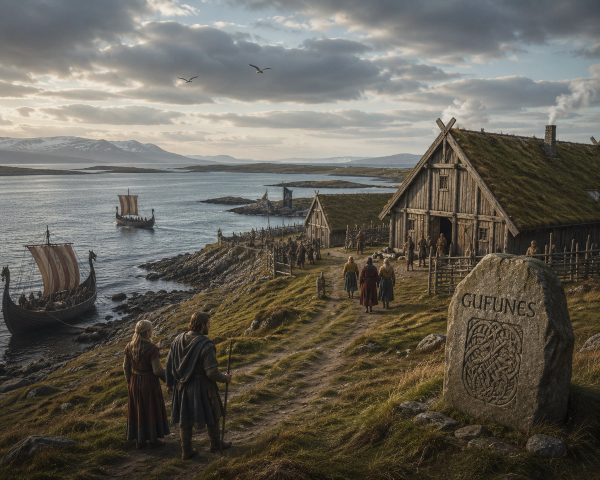
Gufunes
Gufunes is a historic location in Iceland mentioned in "Egils saga", one of the ancient Íslendingasögur (Sagas of Icelanders). These medieval narratives preserve the history of Iceland's Viking Age settlement.
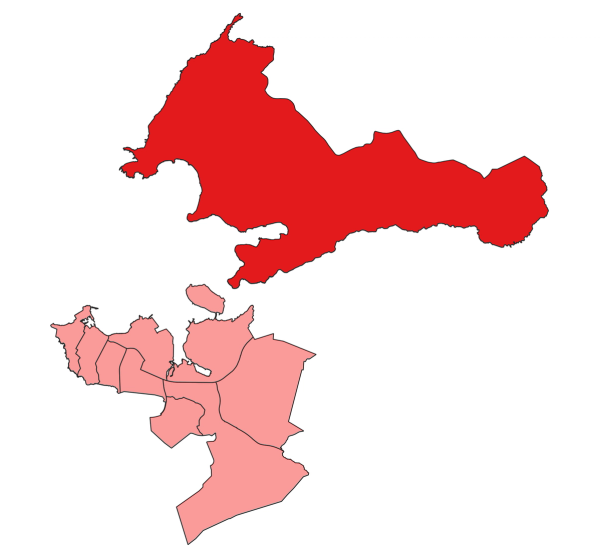
Kjalarnes
Kjalarnes is a historic location in Iceland mentioned in "Harðar saga og Hólmverja, Laxdæla saga", one of the ancient Íslendingasögur (Sagas of Icelanders). These medieval narratives preserve the history of Iceland's Viking Age settlement.
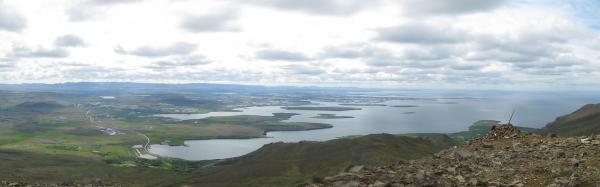
Kollafjörður
Kollafjörður is a historic location in Iceland mentioned in "Laxdæla saga", one of the ancient Íslendingasögur (Sagas of Icelanders). These medieval narratives preserve the history of Iceland's Viking Age settlement.
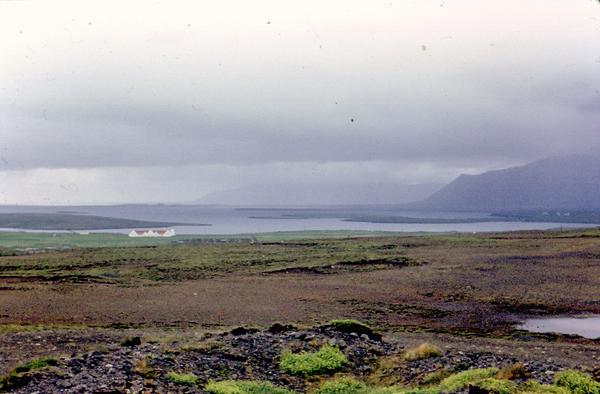
Korpúlfsstaðir
Korpúlfsstaðir is a historic location in Iceland mentioned in "Kjalnesinga saga", one of the ancient Íslendingasögur (Sagas of Icelanders). These medieval narratives preserve the history of Iceland's Viking Age settlement.
Explore
Hidden Gems Nearby
Lúpínuakrar
Gönguferð um líflega fjólubláa lúpínuakra sem ná yfir forgrunninn og bjóða upp á stórkostlegt útsýni yfir fjörðinn og fjöllin í fjarska.
Upplifðu litríka blómafegurð og víðáttumikil útsýni.
Strandleiðin
Taktu fallega leið meðfram fjörðinum, uppgötvaðu afskekkt útsýnisstaði og litlar fiskveiðiþorp.
Njóttu stórbrotinnar strandlengju og rólegra staða.
Þjóðsagnasteinninn
Leitaðu að sérstakri bergmyndun sem sögð er vera bústaður huldufólksins, auðkennd með óvenjulegri lögun sinni.
Tengstu beint við staðbundnar goðsagnir og þjóðsögur.
Help
Frequently Asked Questions
Location
Location
Discover
Explore Nearby
Places within 5.0 km
Loading nearby places…
0 places found within 5.0 km
Plan full itinerary →Explore More