Hofskirkja Turf Church
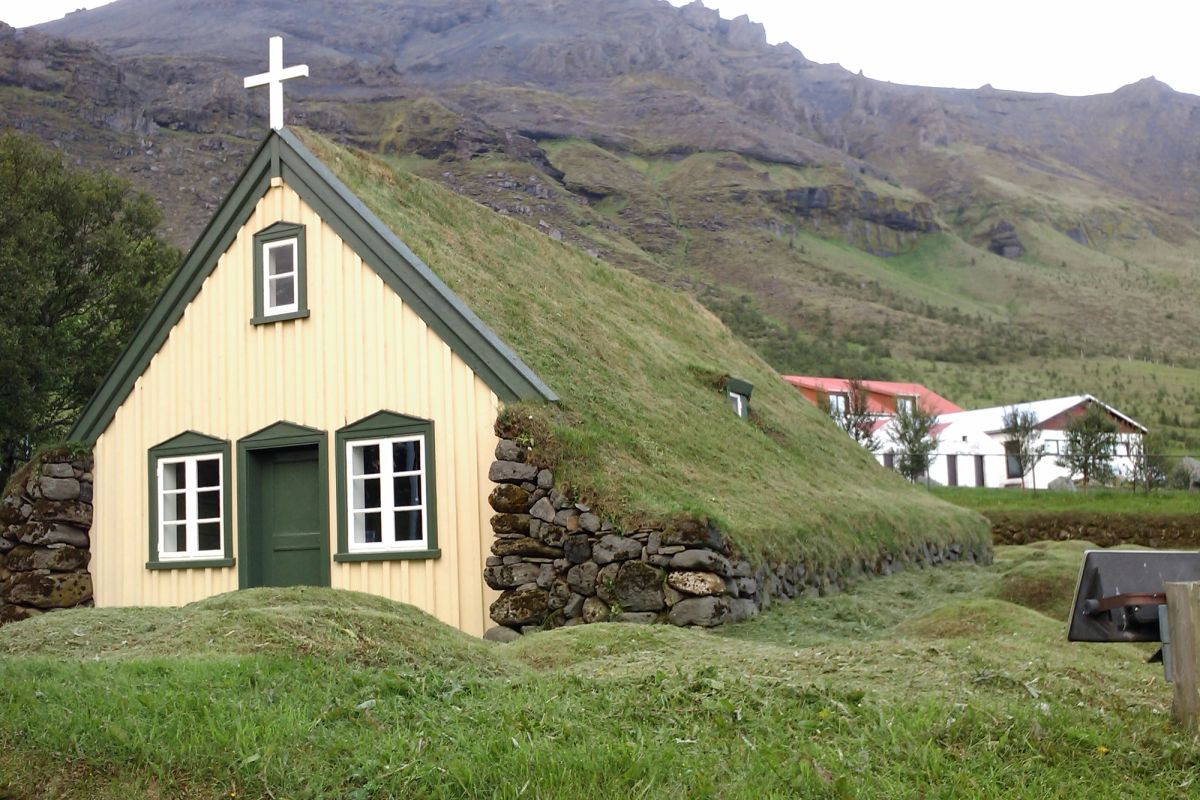
Discover Hofskirkja, one of Iceland's last surviving turf churches, built in 1884 with traditional grass-roof architecture.
At a Glance
Visit time
Approximately 45 minutes to an hour to fully appreciate the site.
Best season
May to September for best accessibility and weather, though its beauty can be appreciated year-round.
Access
Located in the Öræfi region of Southeast Iceland, Hofskirkja is typically accessed by car along Route 1 (the Ring Road). It's near the Vatnajökull glacier area.
GPS
63.8667, -18.0000
About
About Hofskirkja Turf Church
Discover Hofskirkja, one of Iceland's last surviving turf churches, built in 1884 with traditional grass-roof architecture.
Experience a rare glimpse into Iceland's architectural heritage at one of its last surviving turf churches.
Background
History & Background
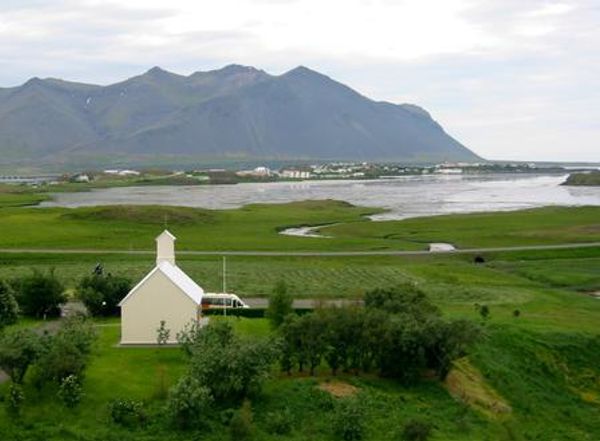
Hofskirkja Turf Church, officially Hofskirkja í Öræfum, holds a distinguished place in Icelandic history as one of the nation's last surviving turf churches. Built in 1884, its construction represents a significant period when traditional Icelandic building methods were still prevalent but beginning to fade. The church's design, featuring characteristic grass-roof architecture, reflects a deep understanding of local materials and environmental adaptation. Its historical and cultural significance stems from its status as a rare example of this unique architectural heritage. Turf churches, once common across Iceland, were constructed using a combination of stone and turf, designed to provide excellent insulation and blend naturally with the landscape. Hofskirkja's continued existence and preservation offer invaluable insight into the ingenuity and resilience of past Icelandic communities. It stands as a testament to the enduring traditions that shaped the country's cultural identity.
Hofskirkja Turf Church, known in Icelandic as Hofskirkja í Öræfum, offers a profound journey into Iceland's rich architectural and cultural past. Located in the picturesque Öræfi region of Southeast Iceland, its setting near the immense Vatnajökull glacier adds to its dramatic allure. This historically and culturally significant church, constructed in 1884, stands as one of the last surviving examples of traditional Icelandic turf architecture. Its distinctive grass roof, a hallmark of this ancient building style, allowed structures to blend seamlessly into the rugged landscape while providing excellent insulation against the harsh Icelandic climate. Visiting Hofskirkja is like stepping into a living museum, where the ingenuity and resourcefulness of past generations are palpable. The humble yet sturdy design reflects a time when local materials and traditional techniques were paramount. While modest in size, the church's significance is immense. It represents a vital link to Iceland's heritage, showcasing a building method that was once widespread but is now exceptionally rare. Visitors can admire the exterior's unique blend of stone and turf, and appreciate the craftsmanship that has allowed this structure to endure for over a century. Hofskirkja Turf Church is not just a building; it is a symbol of endurance, faith, and the deep connection between the Icelandic people and their land, making it an essential stop for anyone exploring the historical fabric of the south-east.
Folklore
Story & Folklore
Imagine a crisp Icelandic breeze carrying whispers of history across the Öræfi region. Nestled amidst this dramatic landscape, near the colossal Vatnajökull glacier, stands Hofskirkja Turf Church, a silent sentinel of a bygone era. Built in 1884, this small, enchanting church is more than just a structure; it's a living piece of Iceland's soul. Its traditional grass roof, seamlessly blending with the surrounding earth, speaks of resilience and a deep connection to the land. As you approach, the simplicity and humble beauty of its design evoke a sense of peace and wonder. It's a place where time seems to slow, inviting you to reflect on the lives of those who worshipped here, sustained by faith and tradition in this remote, yet breathtaking corner of the world. Hofskirkja stands as a powerful reminder of Iceland's unique cultural heritage, a testament to the ingenuity and spirit of its people.
💡 Did You Know?
Hofskirkja Turf Church is one of only a handful of turf churches still standing and actively maintained in Iceland, preserving a unique building tradition.
Local Legend
The Troll of Reynisdrangar
The dramatic sea stacks at Reynisdrangar, visible from many points along the South Iceland coast, are said to be trolls turned to stone. According to legend, two trolls were trying to drag a three-masted ship to shore when they were caught by the first rays of dawn. Sunlight is fatal to trolls in Icelandic folklore, and they were instantly petrified, becoming the towering rock pillars that stand in the sea to this day. On stormy nights, some locals say you can still hear the trolls groaning as the waves crash against them, forever frozen in their midnight labor.
Culture
Stories & Legends
Icelandic sagas and folklore from this area
Hörgsdalur
Hörgsdalur is a historic location in Iceland mentioned in "Gunnars saga Keldugnúpsfífls", one of the ancient Íslendingasögur (Sagas of Icelanders). These medieval narratives preserve the history of Iceland's Viking Age settlement.
Hörgsland
Hörgsland: Where a chieftain's pride met a tragic end in the sagas.
Keldunúpur
Keldunúpur: A site of ancient prophecy and a tragic saga's turning point.
Mörtunga
Mörtunga is a historic location in Iceland mentioned in "Gunnars saga Keldugnúpsfífls", one of the ancient Íslendingasögur (Sagas of Icelanders). These medieval narratives preserve the history of Iceland's Viking Age settlement.
Explore
Hidden Gems Nearby
✦ Architecture Details
Look closely at the architectural details of this attraction — each element has cultural significance.
Icelandic churches blend Nordic, European, and uniquely Icelandic design elements that tell their own story.
✦ Cemetery Stories
If there is an adjacent cemetery, the headstones often tell fascinating stories about local families.
Icelandic naming conventions (patronymic system) mean you can trace family connections through the generations.
Help
Frequently Asked Questions
Location
📍 Location
Discover
Explore Nearby
Places from our database within 1.0 km — all data from Sanity
Loading nearby places…
0 places found within 1.0 km
Plan full itinerary →Explore More