
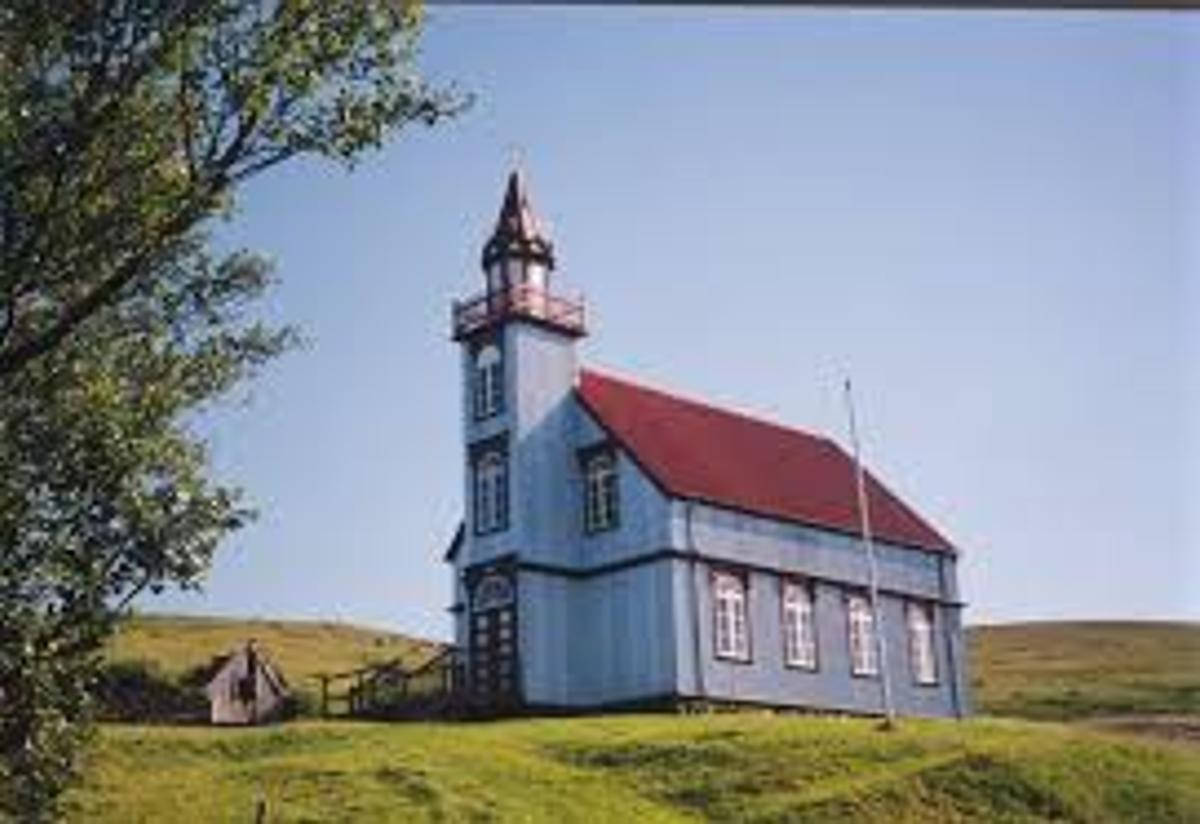
Hlíðarendakirkja
1898 rural church at Hlíðarendi in Fljótshlíð, on a much older church site.
About
About Hlíðarendakirkja
1898 rural church at Hlíðarendi in Fljótshlíð, on a much older church site.
Discover centuries of Icelandic faith and admire the distinctive architecture of this blue church.
Tours Near Hlíðarendakirkja

South Coast Tour - Black Sand Beach, Plane wreck, Skogafoss, Seljalandsfoss guided in Chinese冰岛南岸黑沙滩飞机残骸中文一日团
Magic Iceland Travel · 10 hours 30 minutes

DT 322 Private Superjeep South Coast & Eyjafjallajökull Volcano Sights
Superjeep · 8 hours
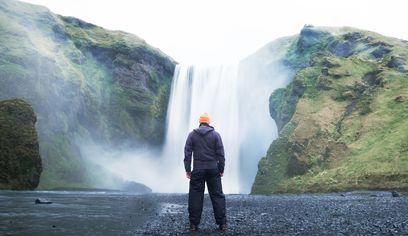
South Coast Waterfalls, Glacier & Black Sand Beach Tour
BusTravel Iceland · 10 hours
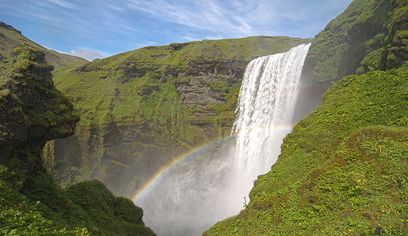
South Coast Small Group Tour: Waterfalls, Glacier & Black Sand Beach
BusTravel Iceland · 10 hours
Photos
Gallery
Background
History & Background
The history of Hlíðarendakirkja is deeply rooted in Iceland's past, with the first documentation of a church at Hlíðarendi appearing in Bishop Páll Jónsson's charter around 1200 AD. Initially, it was referred to as an 'alkirkja' (main church) around 1400, signifying its importance within the ecclesiastical structure. Following the Reformation, its status shifted, and it became known as a 'hálfkirkja' (half-church), reflecting changes in religious administration and local significance. By the turn of the 19th century, the church had fallen into disrepair, leading to its decommissioning in 1802, with its parish temporarily merged with Teigskirkja. However, the community's resolve saw a resurgence. A royal decree in 1886 reunited the parishes, paving the way for the construction of the present church in 1898. This structure was meticulously built by Sigurður Ólafsson, a skilled craftsman from Eyrarbakki, ensuring the continuation of a sacred site on this historic ground. Beyond its architectural resilience, Hlíðarendakirkja holds significant cultural value. Inside, it features religious paintings by Ólafur Túbals, an artist from Múlakot, and remarkably, a medieval silver chalice, which serves as a direct link to centuries of worship. The church stands not just as a place of worship but as a tangible representation of Iceland's enduring Christian heritage, a faith adopted by democratic decision at Alþingi in 1000 AD, and continuously maintained through structures like this charming blue church.
The present Hlíðarendakirkja was built in 1898 on a site with a long history of worship. The church and surrounding landscape are part of the historic Hlíðarendi farm area in Fljótshlíð. Interior furnishings include works connected with local Icelandic church art, but public access should not be assumed; visitors should respect services, the cemetery and private-property boundaries.
Folklore
Story & Folklore
Driving through the serene landscapes of South Iceland, a vibrant splash of color catches your eye – the Hlíðarendakirkja. Its distinctive sky-blue walls and bright red roof stand out against the verdant hills, topped by a slender, dark-tipped spire reaching for the clear Icelandic sky. This isn't just a pretty picture; it's a living echo of the past. Imagine the early settlers, their lives intertwined with this sacred ground, where a church has stood since at least 1200 AD. Though the current structure dates to 1898, built by Sigurður Ólafsson, the spirit of devotion has endured through centuries of change, even when the parish was temporarily dissolved. Step closer and feel the quiet reverence. Inside, you'd discover the artistry of Ólafur Túbals' religious paintings and a medieval silver chalice, connecting you directly to generations of worshipers. This humble church, surrounded by the vast, open landscape, offers a profound sense of peace and a deep connection to Iceland's enduring heritage.
Did You Know?
The current Hlíðarendakirkja, built in 1898, houses a medieval silver chalice and stands on grounds where a church was first mentioned in 1200 AD.
Culture
Stories & Legends
Icelandic sagas and folklore from this area
Location
Location
Discover
Explore Nearby
Places within 5.0 km
Loading nearby places…
0 places found within 5.0 km
Plan full itinerary →Explore More