
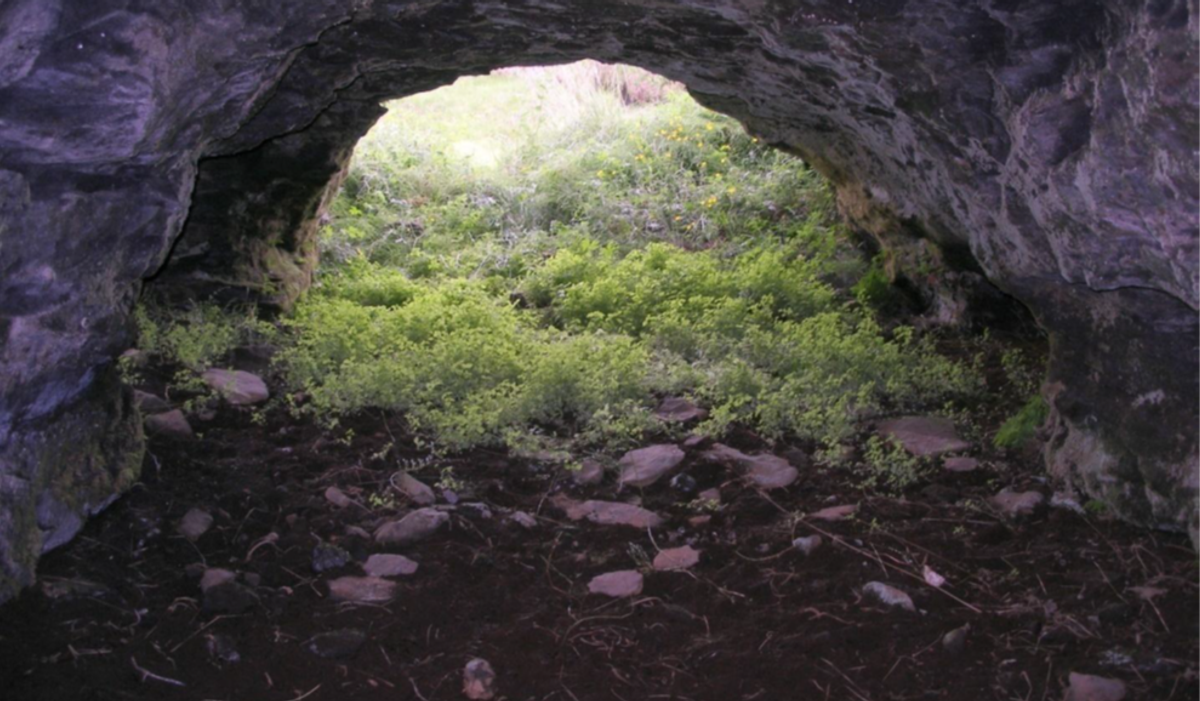
Hellir í botni Ísafjarðar
A small cave near Route 61 at the head of Ísafjörður, with a stone wall reflecting former use as sheep shelter.
At a Glance
Visit time
30-45 minutes
Best Season
Late spring to early autumn (May-September) for best access; daytime for natural light at entrance.
Getting There
Located seaward of Highway 61 at the bottom of Ísafjörður. Requires careful observation as it's not signposted and not visible from the main road. Parking is likely an informal pull-off.
GPS
65.7843, -22.5690
About
About Hellir í botni Ísafjarðar
A small cave near Route 61 at the head of Ísafjörður, with a stone wall reflecting former use as sheep shelter.
See a small natural shelter with a tangible connection to traditional Westfjords farming.
Tours Near Hellir í botni Ísafjarðar
BIRD WATCHING - puffins and more
Westfjords Adventures · 7 hours
CROWN JEWEL; KJARAN'S AVENUE & DYNJANDI - jeep tour
Westfjords Adventures · 9 hours
Hornstrandir Panorama
Borea Adventures · 10 hours
GRAND WEST - Látrabjarg, Rauðasandur & more
Westfjords Adventures · 6 hours
Photos
Gallery
Background
History & Background
The clearest documented human feature at the cave is the low stone wall at the entrance, associated with its use as shelter or containment for sheep. The current record does not support a more detailed settlement history or a precise account of the cave's geological formation.
Hellir í botni Ísafjarðar is a small cave near the head of Ísafjörður, close to Route 61. Its entrance is easy to overlook, and a low stone wall at the opening provides the clearest evidence of the site's practical local history: the shelter was used in connection with sheep. The cave is not a developed visitor attraction. There is no lighting, maintained interior route or assumption that the rock is stable beyond the entrance. The current record also does not provide enough verified geological information to assign a specific volcanic or glacial origin to the cave. Visitors should therefore approach conservatively. Viewing the entrance and stonework from safe ground is enough for most people. Anyone entering farther would need proper lighting, suitable equipment and reliable local knowledge. Wet ground, loose rock and darkness can turn a small cave into a hazard quickly. The site is most interesting as a modest example of how natural shelters were incorporated into practical rural life in the Westfjords.
Folklore
Story & Folklore
The wind whispers tales through the Westfjords, but some stories are told in stone. Venture off the beaten path, just seaward of Highway 61 in Ísafjörður, and you'll discover a secret entrance. A low, weathered stone wall, practical and unassuming, guards the mouth of Hellir í botni Ísafjarðar. This isn't just a barrier; it's a centuries-old invitation, originally built to provide shelter for wandering sheep from the harsh Icelandic elements. Step inside, and the world shifts. The vibrant green moss and foliage at the opening give way to the cool, dark embrace of ancient rock. Sunlight filters in, illuminating the rough textures of the cave walls, hinting at the powerful volcanic and glacial forces that sculpted this natural sanctuary. It feels like stepping back in time, a quiet moment of connection with the untamed spirit of Iceland, far from the well-trodden tourist paths.
Did You Know?
The stone wall at the cave's mouth isn't just for show; it was built to keep local sheep sheltered, a testament to traditional Icelandic farming.
Explore
Hidden Gems Nearby
The Sheep Wall
Observe the hand-built stone wall at the cave's entrance, a testament to traditional Icelandic farming ingenuity.
It highlights the practical use of natural features by early settlers.
Fjörður Viewpoint
Just outside the cave, turn seaward for a stunning, unspoiled view of Ísafjörður fjord and its dramatic surroundings.
Offers a panoramic landscape vista often missed by those focused solely on the cave.
Cave Interior Textures
Take a moment to appreciate the intricate rock formations and varying textures inside the cave, sculpted by millennia of geological activity.
Reveals the powerful natural forces that shaped this hidden sanctuary.
Help
Frequently Asked Questions
Location
Location
Discover
Explore Nearby
Places within 5.0 km
Loading nearby places…
0 places found within 5.0 km
Plan full itinerary →Explore More