
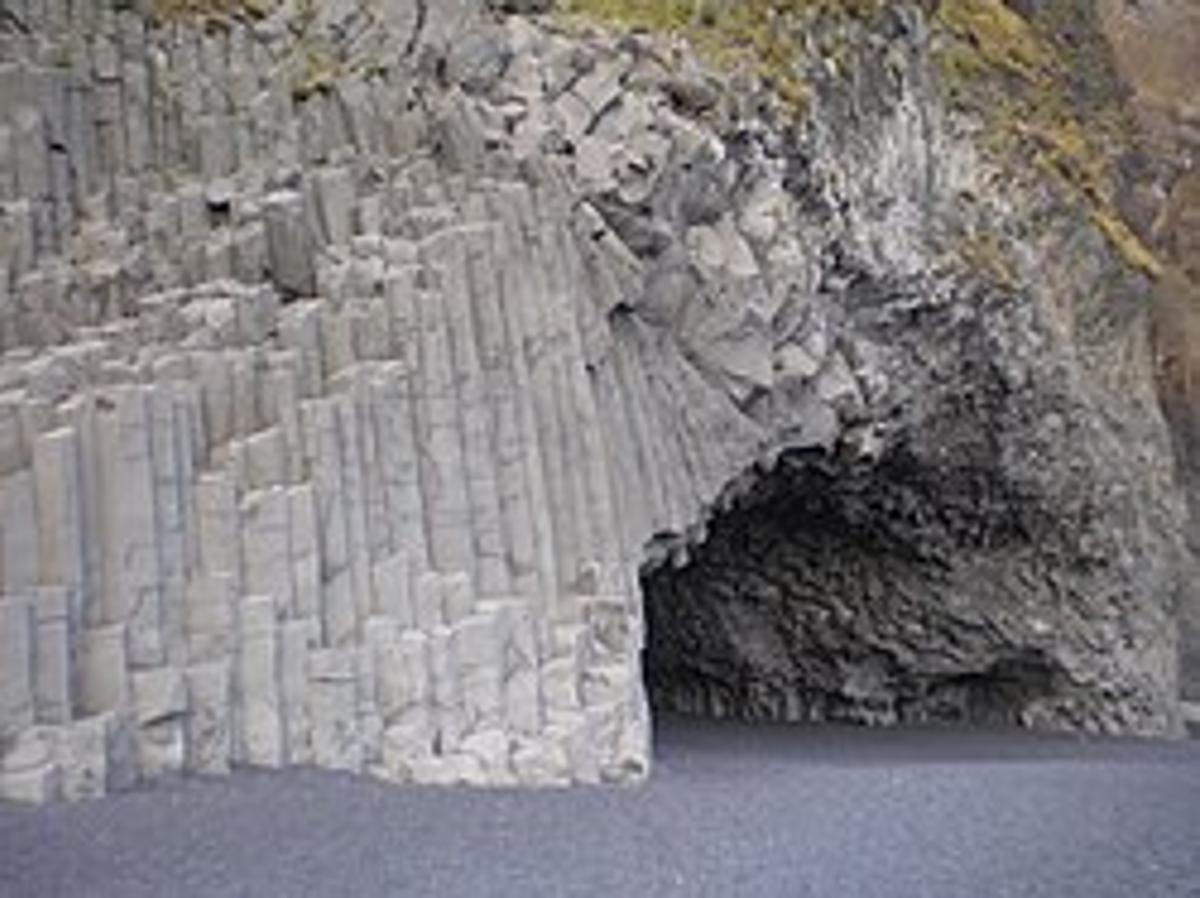
Hálsanefshellir
Sea cave beneath the basalt columns at Reynisfjara, exposed to dangerous Atlantic surf.
About
About Hálsanefshellir
Sea cave beneath the basalt columns at Reynisfjara, exposed to dangerous Atlantic surf.
Witness the incredible basalt column architecture inside a sea cave, a true geological masterpiece.
Tours Near Hálsanefshellir

South Coast Tour - Black Sand Beach, Plane wreck, Skogafoss, Seljalandsfoss guided in Chinese冰岛南岸黑沙滩飞机残骸中文一日团
Magic Iceland Travel · 10 hours 30 minutes
DT 322 Private Superjeep South Coast & Eyjafjallajökull Volcano Sights
Superjeep · 8 hours
South Coast Waterfalls, Glacier & Black Sand Beach Tour
BusTravel Iceland · 10 hours
South Coast Small Group Tour: Waterfalls, Glacier & Black Sand Beach
BusTravel Iceland · 10 hours
Photos
Gallery
Background
History & Background
Hálsanefshellir's origins trace back thousands of years to Iceland's intensely active volcanic past. The iconic basalt columns that define its entrance are the result of specific geological conditions: massive lava flows, often from nearby eruptions, cooled very slowly and evenly. This slow cooling caused the contracting lava to crack into a remarkably uniform hexagonal pattern, stacking vertically like giant, natural building blocks. Over millennia, the powerful, erosive forces of the North Atlantic Ocean, constantly crashing against the Reynisfjara coastline, gradually carved out the cavern beneath these columns, transforming a volcanic rock face into the dramatic sea cave we see today. It's a prime example of how both endogenous (volcanic) and exogenous (oceanic) forces have shaped Iceland's unique landscape.
Hálsanefshellir lies at the base of the basalt cliffs on Reynisfjara. The cave was shaped by marine erosion acting on volcanic rock; it is not a lava tube. Its entrance is close to a shoreline known for powerful sneaker waves, and safe access changes with tide and sea conditions. Visitors should obey the Reynisfjara warning system, keep well back from the surf and avoid the cave when waves or tides make the area unsafe.
Did You Know?
The striking hexagonal basalt columns framing Hálsanefshellir are formed as lava cools slowly and contracts, cracking into these distinctive, often pipe-like, geometric shapes.
Culture
Stories & Legends
Icelandic sagas and folklore from this area
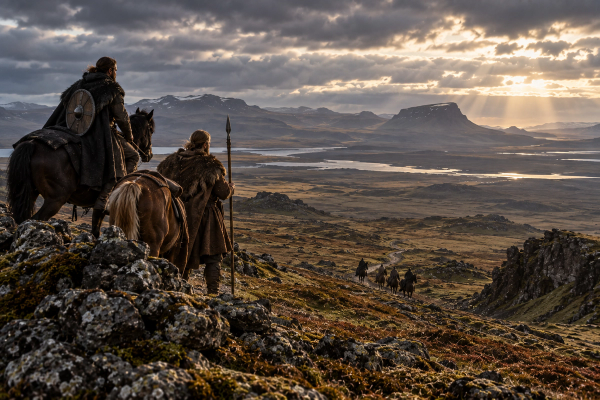
Arnarstakksheiði
Arnarstakksheiði is a windswept highland location connected to Njáls saga, one of Iceland’s most famous medieval sagas, where the open heaths, rough tracks, and distant mountain views evoke the journeys, alliances, and conflicts that shaped life during the Saga Age, making the landscape itself part of the story and offering a powerful link between the dramatic events preserved in the written tradition and the real Icelandic terrain through which people once travelled.
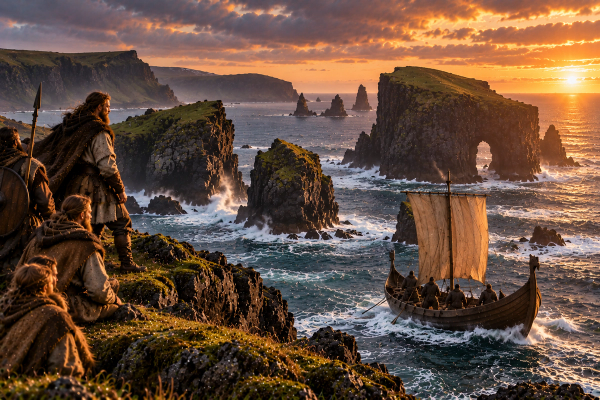
Dyrhólmar
Dyrhólmar is a historic location in Iceland mentioned in "Grettis saga", one of the ancient Íslendingasögur (Sagas of Icelanders). These medieval narratives preserve the history of Iceland's Viking Age settlement.
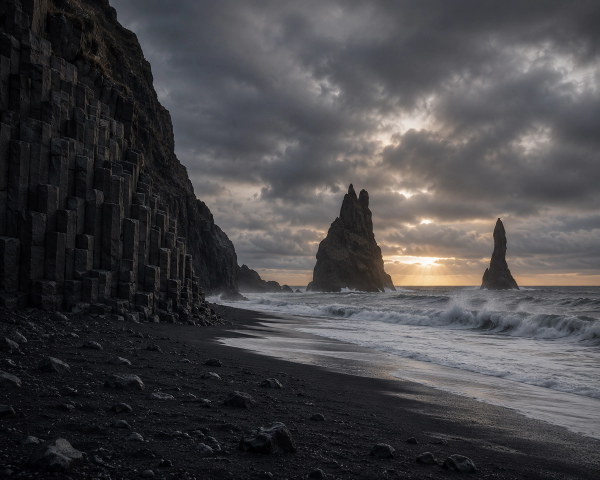
Reynisdrangar – Trolls Turned to Stone
The Reynisdrangar sea stacks off the coast of Iceland are said to be petrified trolls caught by the rising sun.
Explore
Hidden Gems Nearby
Reynisfjara Black Sand Beach
The famous black sand beach itself, known for its dramatic waves and stunning views of the Reynisdrangar sea stacks.
It's a world-renowned natural wonder and gateway to the cave.
Reynisdrangar Sea Stacks
These iconic basalt pillars rise dramatically from the ocean just offshore, believed to be petrified trolls by local legend.
Their imposing presence adds to the mystical atmosphere of the coastline.
Dyrhólaey Arch
A massive natural arch and cliff formation visible from Reynisfjara, offering incredible panoramic views and often home to puffins in summer.
It's a stunning viewpoint and a key landmark of the South Coast.
Help
Frequently Asked Questions
Location
Location
Discover
Explore Nearby
Places within 5.0 km
Loading nearby places…
0 places found within 5.0 km
Plan full itinerary →Explore More