
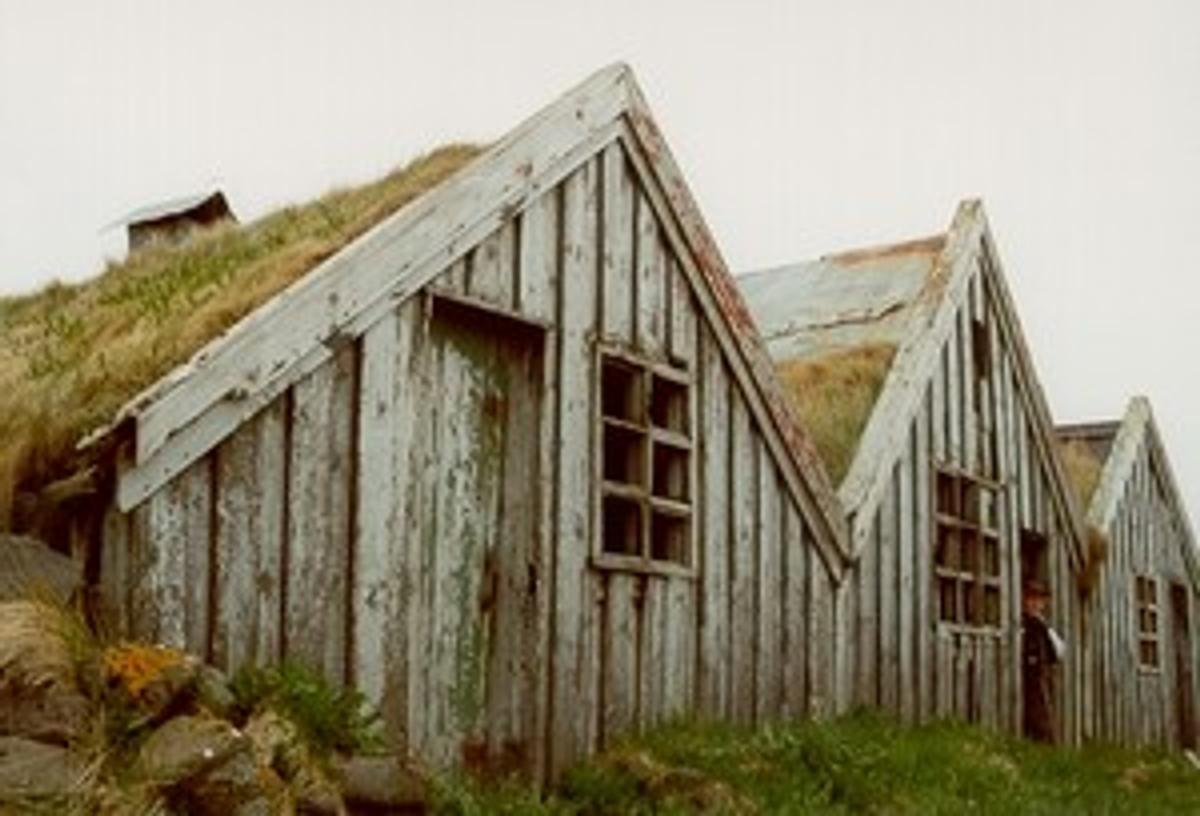
Hafurbjarnarstaðir
Discover one of Iceland's most important ancient burial sites, revealing Viking-era history.
About
About Hafurbjarnarstaðir
Discover one of Iceland's most important ancient burial sites, revealing Viking-era history.
Explore a pivotal Viking-era archaeological site on Reykjanes, offering a tangible link to Iceland's ancient past.
Tours Near Hafurbjarnarstaðir
DT 322 Private Superjeep South Coast & Eyjafjallajökull Volcano Sights
Superjeep · 8 hours
South Coast Waterfalls, Glacier & Black Sand Beach Tour
BusTravel Iceland · 10 hours
South Coast Small Group Tour: Waterfalls, Glacier & Black Sand Beach
BusTravel Iceland · 10 hours
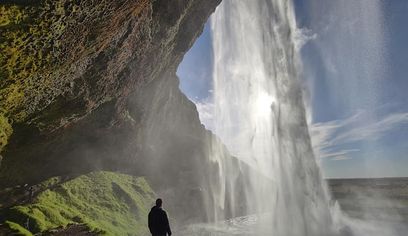
South Coast Waterfalls, Black Beach and Glacier Adventure | Small Group Day Tour
Nicetravel · 11 hours
Photos
Gallery
Background
History & Background
Hafurbjarnarstaðir, a historic farm situated on Garðskagi in Miðnes County, within the Reykjanes region, is renowned for its ancient burial ground, which is considered one of Iceland's most significant archaeological finds. The site's importance lies in its rich insights into the Viking Age settlement of the island. The first formal investigation of the burial site occurred in 1868, leading to the excavation of bones and various artifacts. These initial findings were subsequently transported to the Museum of Antiquities (Forngripasafnið). Decades later, in 1947, the remaining portions of the site underwent further comprehensive research. Across both excavation periods, a total of nine graves were identified, containing the skeletal remains of seven or potentially eight individuals. Additionally, a substantial amount of bone fragments from dogs and horses were discovered, alongside numerous grave goods such as weapons, jewelry, and other items, strongly suggesting the presence of a boat grave. The most intact human skeleton from Hafurbjarnarstaðir is now a key exhibit, preserved in a glass case at the National Museum of Iceland, offering a direct link to these ancient inhabitants.
Nestled on the scenic Garðskagi peninsula within the Reykjanes region, Hafurbjarnarstaðir holds a profound place in Iceland's archaeological landscape. This historic farm is renowned for an ancient burial ground, considered among the most significant ever discovered on the island. First investigated in 1868 and further researched in 1947, the site revealed nine distinct graves, containing the bones of seven or possibly eight individuals. The presence of these animal remains, coupled with the nature of the artifacts, strongly indicates that one of the burials was likely a 'boat grave' (bátskuml), a significant type of burial common in the Viking Age. The excavations unearthed not only human remains but also a rich assortment of grave goods, including weapons and intricate jewelry, hinting at the status and daily lives of those interred. Remarkably, bone remains of dogs and horses were also found, suggesting deeply rooted cultural practices and the importance of these animals in the lives of early Icelandic settlers. While the site itself offers a connection to the past, the most complete skeleton recovered from Hafurbjarnarstaðir is meticulously preserved and displayed in a glass case at the National Museum of Iceland in Reykjavík, allowing visitors a direct encounter with this ancient history. A visit to Hafurbjarnarstaðir provides a unique opportunity to stand on ground steeped in Viking-era history, imagining the lives of those who settled this rugged land long ago.
Folklore
Story & Folklore
Imagine the rugged Reykjanes peninsula centuries ago, where the wind whipped across turf-roofed dwellings much like those seen in historical depictions. At Hafurbjarnarstaðir, beneath the grassy slopes, lay secrets undisturbed for a thousand years. It was here that ancient burials, including a probable boat grave, held the stories of early Icelandic settlers. The skeletal remains of men, women, their loyal dogs, and noble horses, alongside their cherished possessions—weapons gleaming faintly, intricate jewelry—paint a vivid picture of life and death in the Viking Age. These discoveries, meticulously uncovered, offer a profound glimpse into their beliefs, their journeys, and their final resting place, connecting us directly to the pioneers who shaped this land.
Did You Know?
The most complete skeleton unearthed at Hafurbjarnarstaðir, likely from a Viking-era boat grave, is now preserved in a glass case at the National Museum of Iceland.
Explore
Hidden Gems Nearby
The National Museum of Iceland
The most complete skeleton and many artifacts unearthed from Hafurbjarnarstaðir are preserved and displayed here in Reykjavík.
Offers a direct, tangible encounter with the archaeological findings.
Garðskagi Lighthouse
Explore the nearby iconic Garðskagi Lighthouse for panoramic views of the Reykjanes coastline and excellent birdwatching opportunities.
Provides stunning coastal views and is a short drive from Hafurbjarnarstaðir.
Help
Frequently Asked Questions
Location
Location
Discover
Explore Nearby
Places from our database within 5.0 km — all data from Sanity
Loading nearby places…
0 places found within 5.0 km
Plan full itinerary →Explore More