
Gufuskálavör
Discover ancient fishing station ruins and deep boat keel marks etched into the bedrock of Gufuskálavör's dramatic coast.
About
About Gufuskálavör
Discover ancient fishing station ruins and deep boat keel marks etched into the bedrock of Gufuskálavör's dramatic coast.
Explore an ancient 70-meter fishing landing with unique boat keel marks and Viking Age ruins on Snæfellsnes.
Tours Near Gufuskálavör
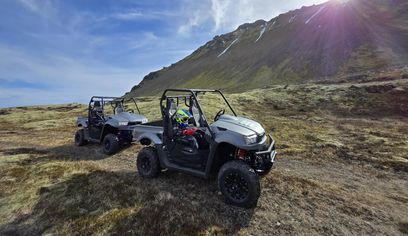
Buggy tours around Snæfellsjökull. 2 hour tour
Glacier Paradise · 2 hours 30 minutes
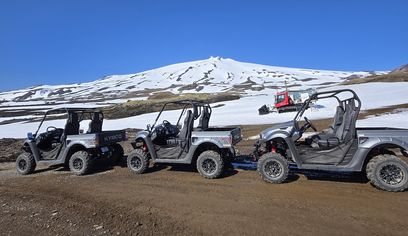
Buggy tours around Snæfellsjökull. 1 hour tour
Glacier Paradise · 1 hour
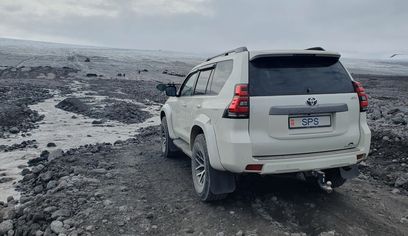
Private Tagestour Westisland ab Reykjavík mit Stopp am Langjökull
SPS Travel · 8 hours
Private Farm Visit & Silver Circle Day Tour in West Iceland
Rest in the West · 12 hours
Photos
Gallery
Background
History & Background
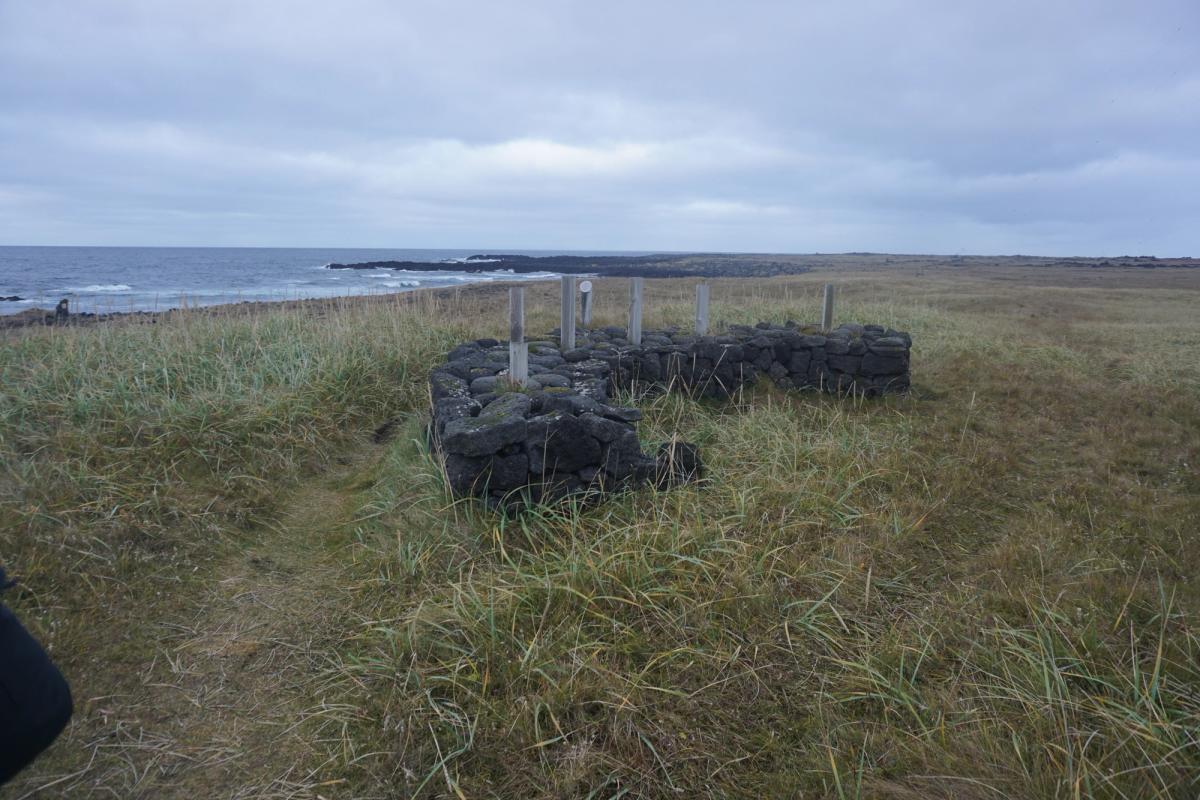
Gufuskálavör is a site steeped in early Icelandic history, representing a vital part of Iceland's maritime heritage and showcasing centuries of fishing activity. Archaeological evidence suggests pre-Norse, possibly Irish, settlement during the 'landnámsöld' or settlement age, with local traditions speaking of an 'Irish well' and an 'Irish church' nearby, hinting at a monastic presence even before the Vikings arrived. More concretely, archaeological excavations have revealed significant Viking Age ruins, including structures like the robust stone dwelling seen in the image, indicating a thriving community in the area. The broader Gufuskálar area was once a major fishing hub, with extensive archaeological remains. The most compelling historical markers are the 'keel marks' at Gufuskálavör itself – deep grooves worn into the bedrock of its 70-meter long paved landing site by the repeated launching and landing of fishing boats over centuries. These marks are a direct and tangible link to the maritime livelihood of its ancient inhabitants. The site also commemorates its more recent past with a memorial to Elínborgu Þorbjarnardóttur, the last resident, unveiled in 1987, bridging the vast span of human habitation at this remarkable coastal outpost.
Gufuskálavör, nestled on the dramatic Snæfellsnes Peninsula in West Iceland, offers far more than just a typical Icelandic beach experience. While the coastal scenery is undeniably striking with its rugged cliffs and often dark, volcanic sands, it's the profound historical echoes that truly captivate visitors. Here, you'll encounter the remnants of ancient settlements, including an 'Irish well' and an 'Irish church' mentioned in local lore, alongside significant Viking Age ruins unearthed by archaeological excavations – such as the robust stone structure visible in the image, a testament to a once-thriving community. The most unique feature of Gufuskálavör itself is its remarkable 70-meter long paved landing site, bearing deep indentations in the bedrock. These are believed to be 'keel marks' worn by centuries of fishing boats being dragged to and from the sea, offering a tangible connection to the daily lives of early inhabitants. The broader Gufuskálar area was once a major fishing hub, with extensive archaeological remains hinting at its past importance. Above the old boat landing, a memorial stands dedicated to Elínborgu Þorbjarnardóttur, the last resident of this once bustling, now tranquil, historical site, unveiled in 1987. Exploring Gufuskálavör is a journey through time, inviting reflection on the harsh yet beautiful existence of those who first called this land home. Remember to respect the archaeological sites and exercise caution near the powerful ocean waves.
Folklore
Story & Folklore
The wind whispers tales of old at Gufuskálavör, where time has etched itself into the very landscape. Imagine the hardy settlers, perhaps Irish monks or Norse Vikings, whose stone dwellings, like the one pictured, once huddled against the elements here. Their fishing boats, pushed and pulled across the 70-meter long paved landing site day after day, left indelible marks – deep grooves in the bedrock, a silent testament to their relentless struggle and reliance on the sea. Each tide brought new hope or despair, as generations lived and died by the rhythm of the waves. This isn't just a beach; it's an open-air museum where every stone and every worn mark tells a story of survival, ingenuity, and the enduring human spirit against the raw power of the Icelandic coast.
Did You Know?
Gufuskálavör boasts a 70-meter long paved landing site with rare, deep grooves in the bedrock, believed to be worn by the keels of fishing boats for centuries.
Culture
Stories & Legends
Icelandic sagas and folklore from this area
Explore
Hidden Gems Nearby
Írskra Brunnur (Irish Well)
A historic well, believed to date back to the settlement age, possibly used by early Irish settlers. Its exact location might require some local guidance.
Offers a tangible link to the earliest, pre-Viking inhabitants of Iceland.
Elínborgu Þorbjarnardóttir Memorial
Situated above the beach, this monument commemorates the last resident of Gufuskálar, providing a poignant connection to the site's more recent past.
A touching tribute to the continuous human habitation and resilience at this ancient site.
Viking Age Ruins (Írskubúðir)
Beyond the visible structure, archaeological excavations have revealed further Viking Age ruins in the lava field south of the old airfield, offering deeper insights into the settlement.
Provides a glimpse into the daily life and structures of Iceland's Viking settlers.
Help
Frequently Asked Questions
Location
Location
Discover
Explore Nearby
Places within 5.0 km
Loading nearby places…
0 places found within 5.0 km
Plan full itinerary →Explore More