
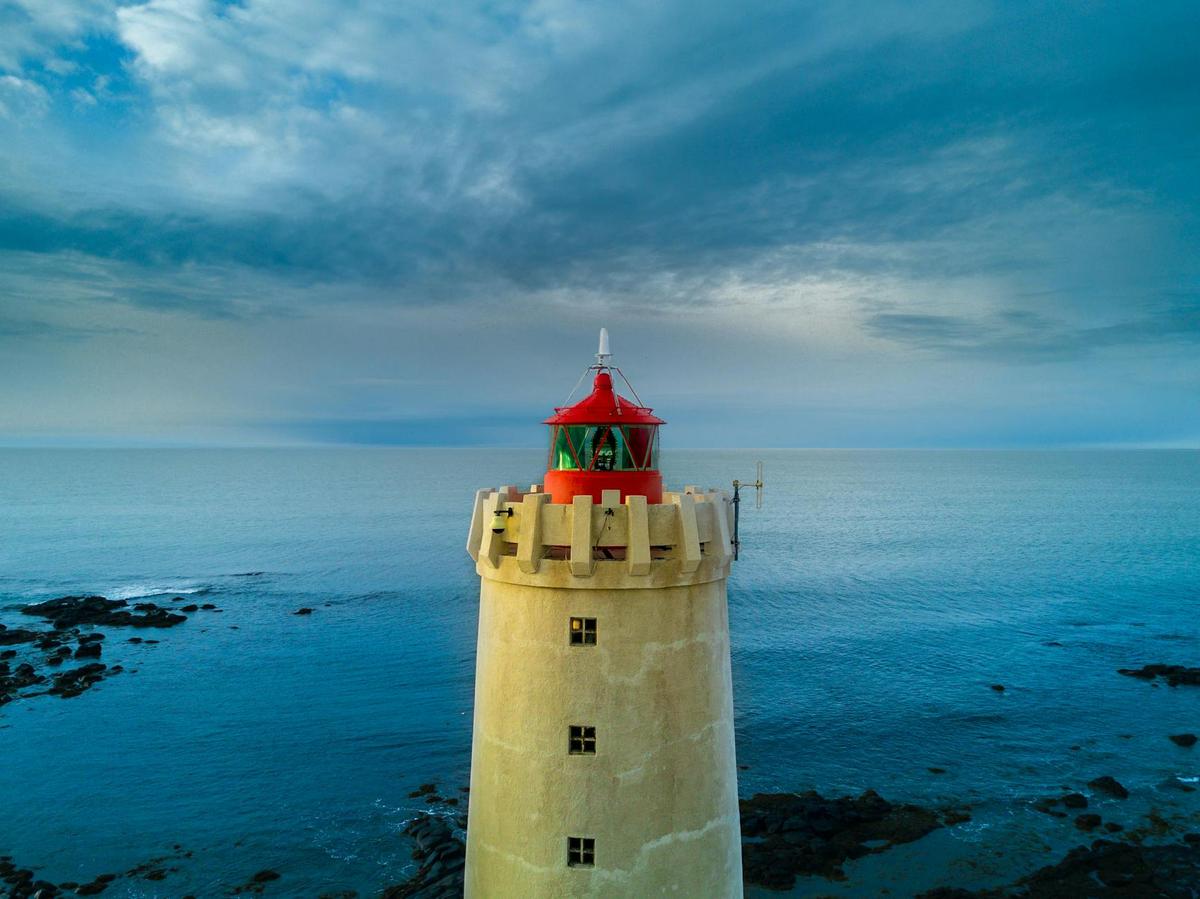
Grótta
Grótta lighthouse on Seltjarnarnes — Reykjavík's best place for northern lights, migrating birds and dramatic sunsets at the tip of the peninsula.
About
About Grótta
Grótta lighthouse on Seltjarnarnes — Reykjavík's best place for northern lights, migrating birds and dramatic sunsets at the tip of the peninsula.
The combination of northern lights potential (away from city light pollution), wading birds at high tide and spectacular westward sunsets makes this one of the capital area's most atmospheric spots.
Tours Near Grótta
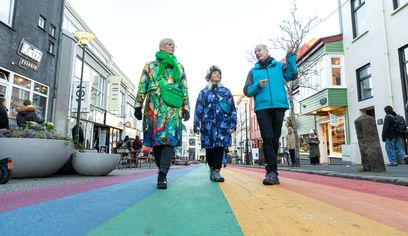
Private Reykjavik LGBTQ+ City Walk
Your Friend in Reykjavik · 3 hours
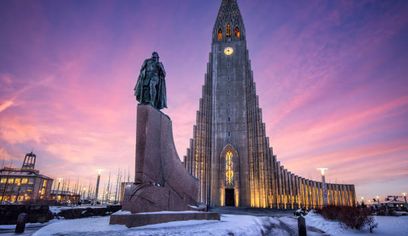
Private Reykjavik City Tour
Icelimo Luxurytravel · 4 hours
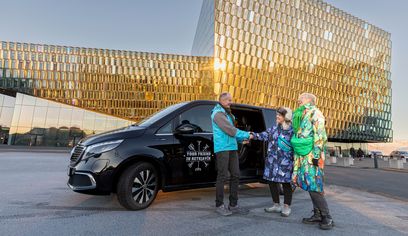
Private 3 hour Reykjavik Driving Tour
Your Friend in Reykjavik · 3 hours
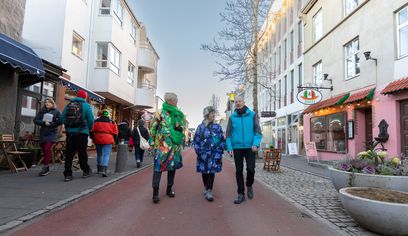
Private Reykjavik Shopping & Sightseeing Walking Tour
Your Friend in Reykjavik · 3 hours
Photos
Gallery
Background
History & Background
Grótta has been a significant site in Iceland's landscape. Throughout the years, this location has played an important role in Icelandic culture and natural history.
Grótta is a remarkable beach in Iceland. Grótta is a stunning beach located in Capital Region. This dramatic coastal area features Iceland's distinctive black volcanic sand, shaped by powerfu... Grótta is the lighthouse at the far end of the Seltjarnarnes peninsula — the most westward tip of Greater Reykjavík and one of the best places to escape city light pollution for northern lights watching. The walk from the Seltjarnarneslaug swimming p. This location offers visitors a unique opportunity to experience Iceland's natural beauty and cultural heritage.
Folklore
Story & Folklore
Grótta is the lighthouse at the far end of the Seltjarnarnes peninsula — the most westward tip of Greater Reykjavík and one of the best places to escape city light pollution for northern lights watching. The walk from the Seltjarnarneslaug swimming pool to Grótta follows the coast past open mudflats where oystercatchers, whimbrels, ringed plovers and dunlin feed by the thousand during migration. At low tide the stone spit leading to the lighthouse island appears; at high tide the island is isolated. The views from the point encompass the entire arc of the capital, the mountains to the north and east, and the open ocean to the west. Sunset here in summer — 11pm, with the sun sinking into the sea — is one of Reykjavík's finest experiences.
Did You Know?
At low tide, a sand spit appears connecting the mainland to Grótta's small island — but it fills within hours. The lighthouse has operated since 1897 and was one of Iceland's first electrified lighthouses.
Culture
Stories & Legends
Icelandic sagas and folklore from this area
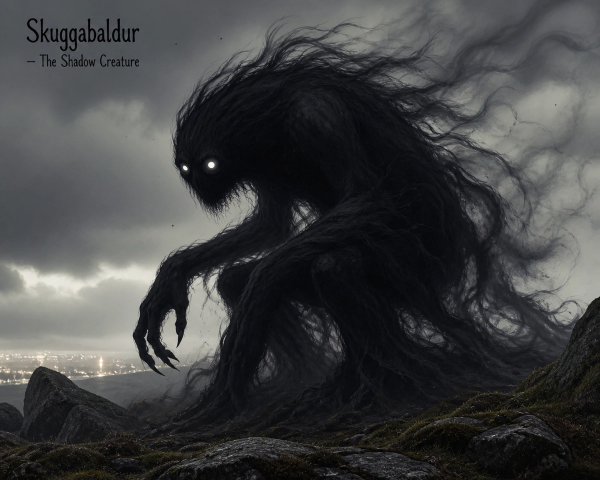
Skuggabaldur – The Shadow Creature
Skuggabaldur: A phantom dog guarding forgotten paths.
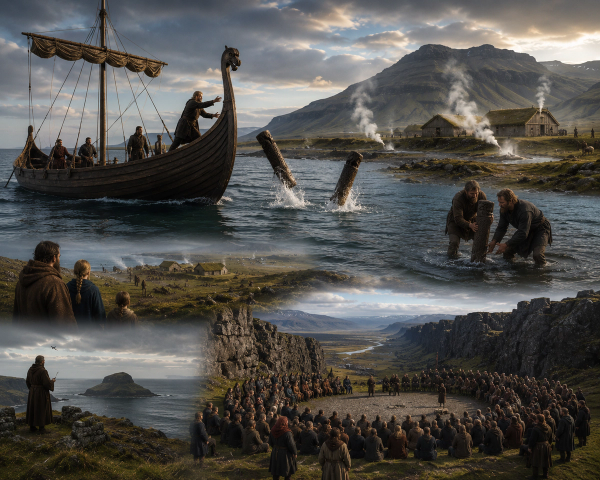
The Settlement of Iceland – Land of Fire and Freedom
Iceland: Land of Fire and Freedom, forged by Vikings and volcanic might.
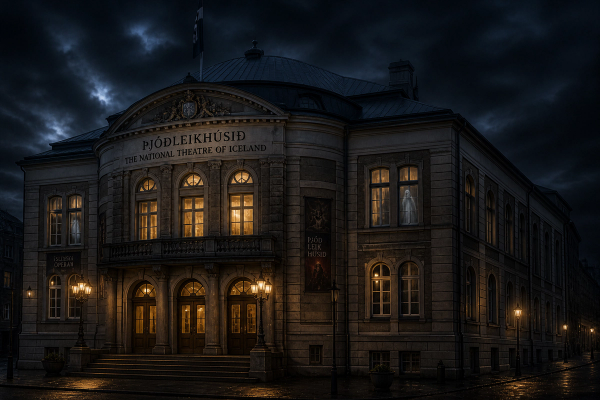
National Theatre of Iceland
Staff and performers have reported unexplained sounds, flickering lights and ghostly presences in the backstage areas and upper floors of this early 20th century building.
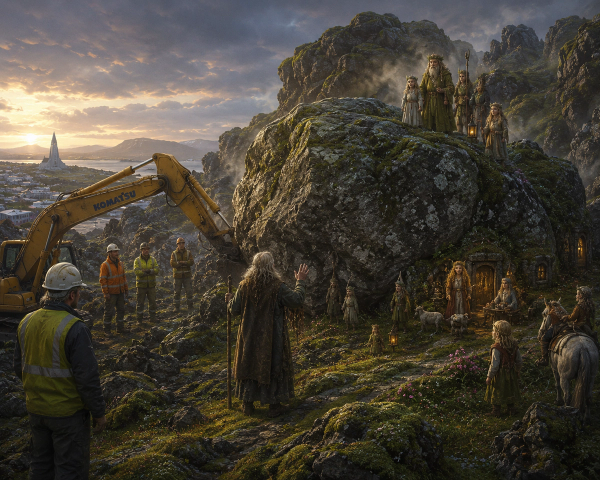
Elves and the Hidden People (Huldufólk)
Reykjavík's hidden folk: Elves are said to reside in and around the capital.
Explore
Hidden Gems Nearby
Tidal Patterns
The black sand creates stunning patterns as the waves retreat, especially at low tide.
The interplay of water, sand texture, and reflected sky creates naturally artistic compositions that are constantly changing.
Rock Formations
Explore the rock formations at the edges of the beach — many feature columnar basalt and small caves.
These geological features add variety to your beach visit and often shelter small tidal pools with marine life.
Seabird Watching
Bring binoculars to spot seabirds nesting on nearby cliffs, especially during summer months.
In breeding season (May-August), you can often see puffins, fulmars, and guillemots from the beach.
Help
Frequently Asked Questions
Location
Location
Discover
Explore Nearby
Places from our database within 5.0 km — all data from Sanity
Loading nearby places…
0 places found within 5.0 km
Plan full itinerary →Explore More