
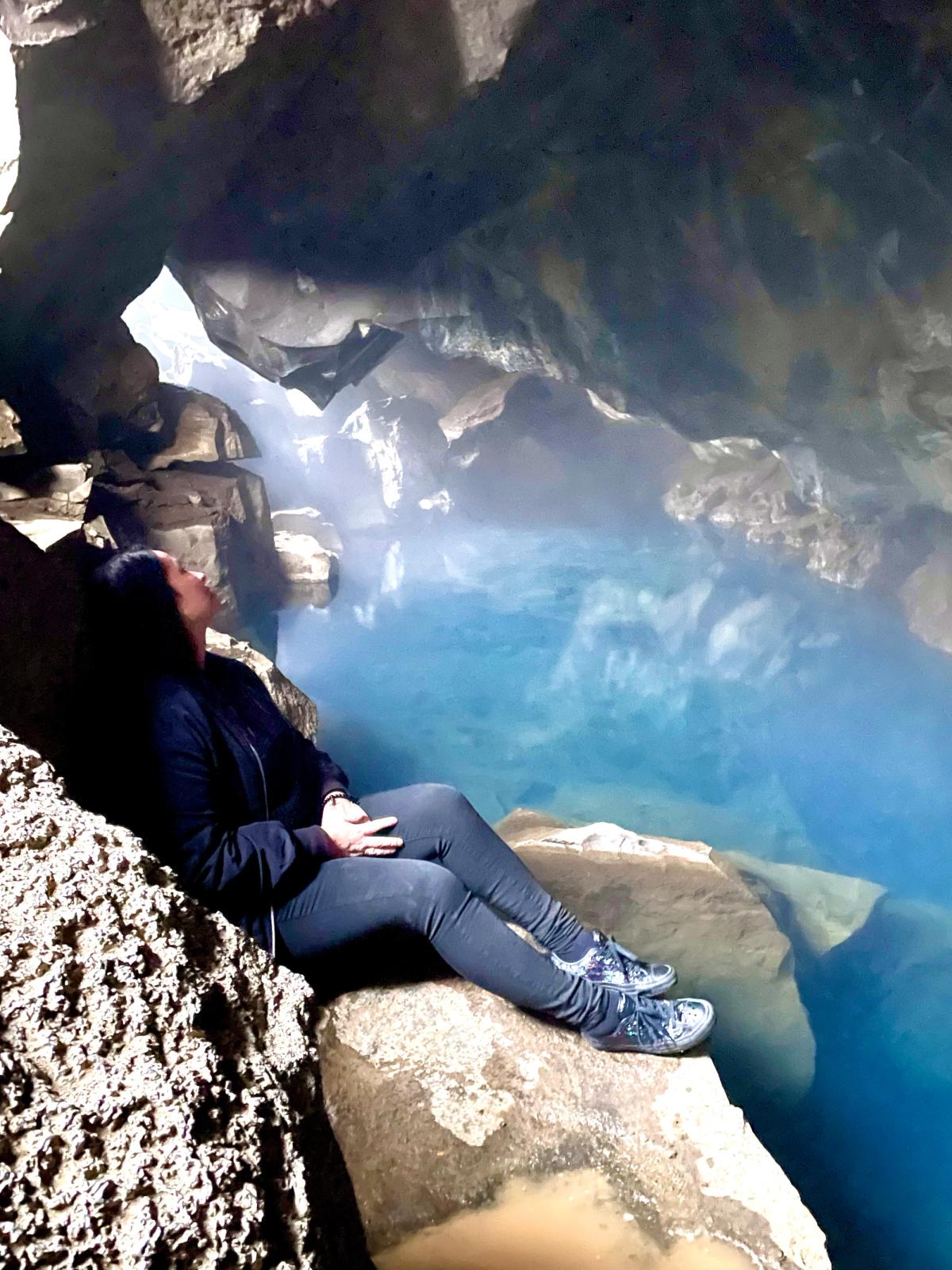
Grjótagjá
Grjótagjá is a small lava cave containing a strikingly blue geothermal spring — once a popular bathing spot and now famous worldwide as the filming location for…
About
About Grjótagjá
Grjótagjá is a small lava cave containing a strikingly blue geothermal spring — once a popular bathing spot and now famous worldwide as the filming location for a scene in Game of Thrones.
Featured in Game of Thrones as Jon Snow and Ygritte's cave
Tours Near Grjótagjá
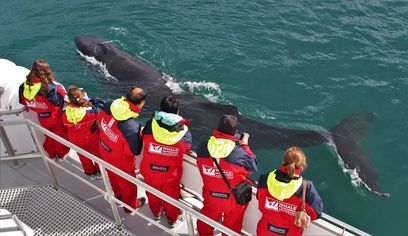
Akureyri Classic Whale Watching
Elding Adventure at Sea · 3 hours
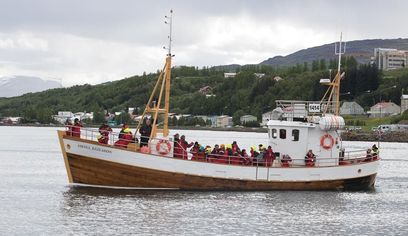
Whale Watching Tour w/ Transfer from Akureyri
Keli sea tours ehf · 4 hours
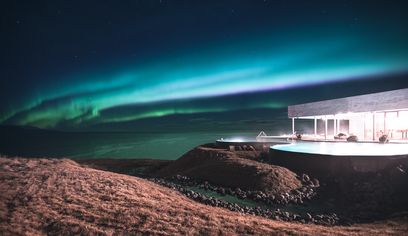
Northern Lights & GeoSea Geothermal Baths Tour (From Akureyri)
Imagine Iceland Travel · 5 hours
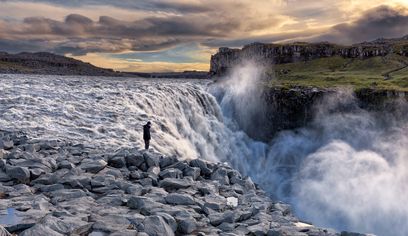
Dettifoss Waterfall, Ásbyrgi and Lake Mývatn - Shore Excursion from Húsavík
BusTravel Iceland · 5 hours 30 minutes
Photos
Gallery
Background
History & Background
The cave's geothermal pool was used for bathing by locals for decades until the Krafla eruptions of 1975–1984 raised the water temperature to over 50°C — too hot for bathing. The temperature has slowly dropped and is now around 43–46°C but swimming is still officially discouraged. The cave featured in Game of Thrones Season 3 (2013) as Jon Snow and Ygritte's bathing scene, bringing it worldwide attention.
Nestled in the dramatic landscapes of North Iceland, just a stone's throw from the serene waters of Lake Mývatn, Grjótagjá Cave stands as a testament to Iceland's powerful geothermal activity. This small yet captivating natural wonder is renowned for its stunning, electric-blue hot spring pool hidden within a lava cave. The cave itself is a geological marvel, formed by volcanic forces that have shaped the region over millennia, creating a unique underground sanctuary. Upon entering Grjótagjá, visitors are immediately struck by the contrast between the rugged, dark volcanic rock and the vibrant, almost surreal blue of the water. The air inside is warm and humid, carrying the subtle scent of minerals typical of geothermal areas. The small size of the cave adds to its intimate and secluded feel, offering a truly unique glimpse into the earth's raw power. Grjótagjá's fame extends globally thanks to its prominent feature in HBO's epic series, Game of Thrones. Fans of the show will instantly recognize it as a memorable location, adding a layer of cultural significance to its natural beauty. This cinematic connection draws countless visitors eager to walk in the footsteps of their favorite characters and experience the magic of this unique site. Visiting Grjótagjá is a relatively quick experience, often combined with other attractions in the Mývatn area. Access involves a short, easy walk from a nearby parking area. The opportunity to witness such a unique geothermal phenomenon and connect with a piece of pop culture history makes it an unforgettable stop on any North Iceland itinerary. Remember to tread carefully and respect the delicate natural environment of this extraordinary cave.
Folklore
Story & Folklore
Grjótagjá is a small but spectacular lava tube cave at Lake Mývatn, famous for its crystalline turquoise geothermal pool inside the cave. The cave became internationally famous after appearing in Game of Thrones (Season 3) as the location where Jon Snow and Ygritte bathe. What the show didn't mention is that the pool became too hot to bathe in following the Krafla volcanic activity of 1975–1984, which raised water temperatures to 50–60°C. The water has since cooled to around 45°C — still too hot for safe bathing, but perfect for photography. The pale turquoise colour and the cathedral-like quality of the light reflected off cave walls make Grjótagjá one of Iceland's most beautiful small attractions.
Did You Know?
Bathing is prohibited due to dangerously high water temperature
Culture
Stories & Legends
Icelandic sagas and folklore from this area

Reykjahlíð
Reykjahlíð is a historic location in Iceland mentioned in "Ljósvetninga saga", one of the ancient Íslendingasögur (Sagas of Icelanders). These medieval narratives preserve the history of Iceland's Viking Age settlement.
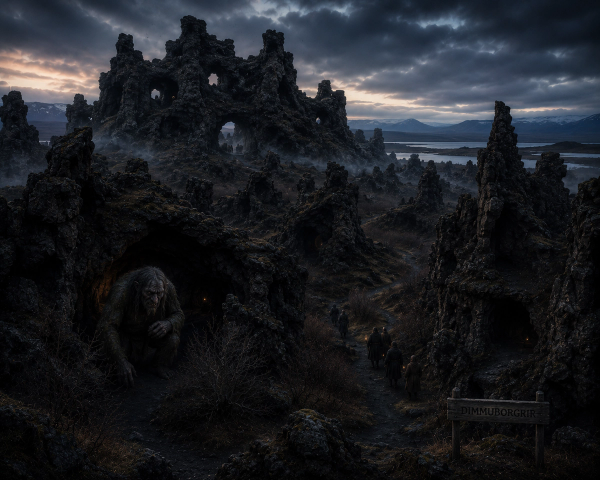
Dimmuborgir – The Dark Fortress of North Iceland
Discover Dimmuborgir, a volcanic wonderland where legends of trolls and the devil still echo.

Grýla, the Yule Lads & the Yule Cat
Beware Grýla! The Yule Lads & their terrifying feline nemesis.
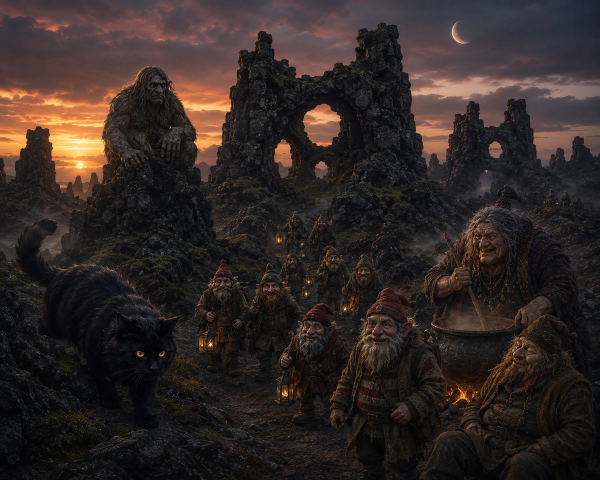
Dimmuborgir – City of Trolls
Explore Dimmuborgir, where volcanic rock formations become a mystical city for trolls.
Explore
Hidden Gems Nearby
Lava Formations Close-Up
Look carefully at the lava formations near Grjótagjá — each tells a story of how it cooled.
Rope lava, pillow lava, and columnar basalt each formed under different conditions, creating a geological textbook in stone.
Moss & Lichens
The moss and lichen growing on the volcanic rock are some of the first life to colonize new lava fields.
Some of these organisms grow less than 1cm per year, meaning the patches you see may be decades or centuries old.
Sunset Colors
The volcanic rock takes on incredible red and gold hues during sunset.
The iron-rich minerals in the lava glow in warm light, creating a photographer's paradise.
Help
Frequently Asked Questions
Location
Location
Discover
Explore Nearby
Places within 5.0 km
Loading nearby places…
0 places found within 5.0 km
Plan full itinerary →Explore More