
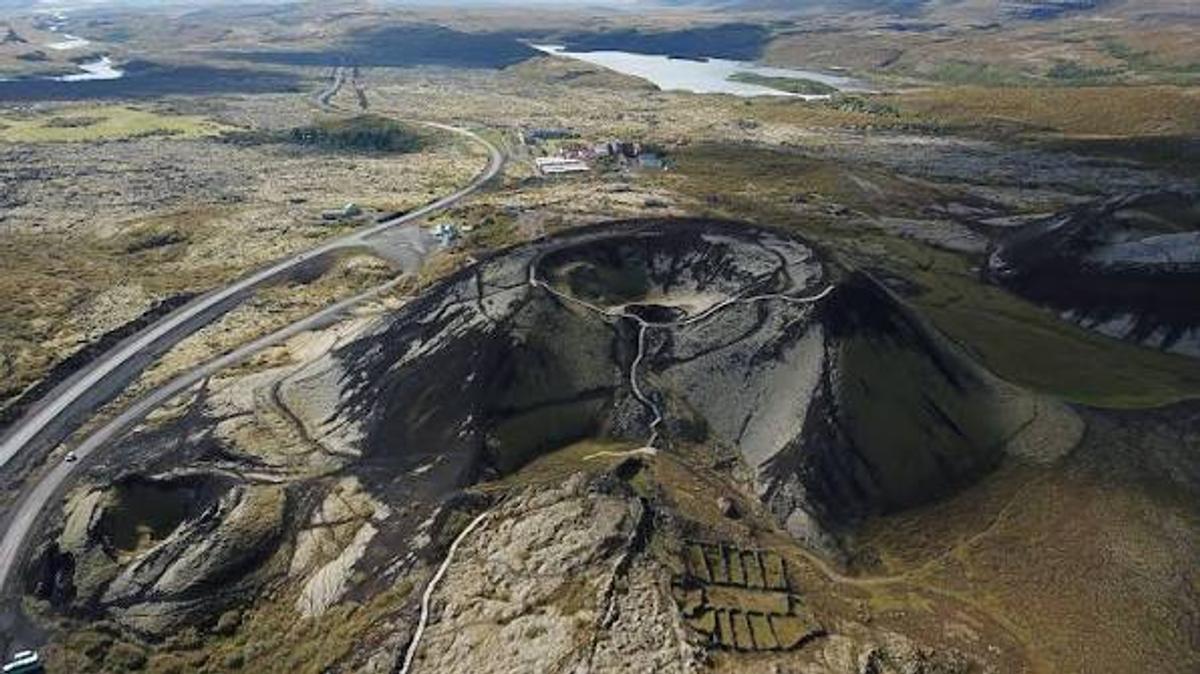
Grábrók
Ascend Grábrók, an easily accessible crater, for breathtaking panoramas of West Iceland's volcanic landscape.
At a Glance
Visit time
30-60 minutes
Best Season
Late morning or early afternoon for best light, or sunset for dramatic views. Avoid peak midday crowds in summer.
Getting There
Paved road (Route 1) directly to a parking area. Well-maintained wooden stairs and path lead to the crater rim. Suitable for all vehicles.
GPS
64.7714, -21.5316
About
About Grábrók
Ascend Grábrók, an easily accessible crater, for breathtaking panoramas of West Iceland's volcanic landscape.
Unforgettable panoramic views of lava fields, lakes, and mountains from an easily accessible volcanic crater.
Tours Near Grábrók
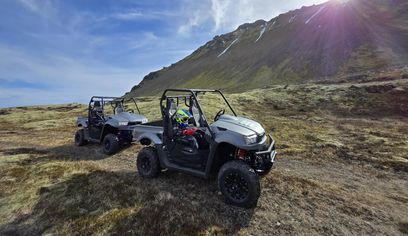
Buggy tours around Snæfellsjökull. 2 hour tour
Glacier Paradise · 2 hours 30 minutes
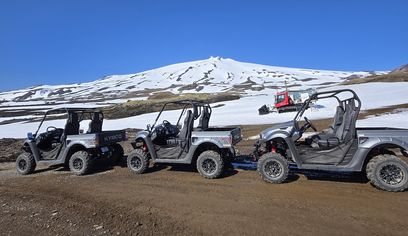
Buggy tours around Snæfellsjökull. 1 hour tour
Glacier Paradise · 1 hour
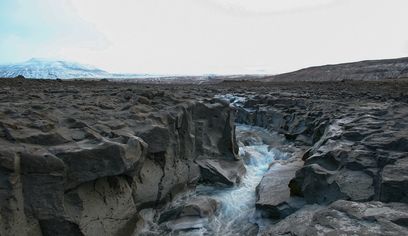
Iceland in a nutshell, Borgarfjordur, Husafell, Lava waterfall, glacier.
Mountain Taxi · 9 hours
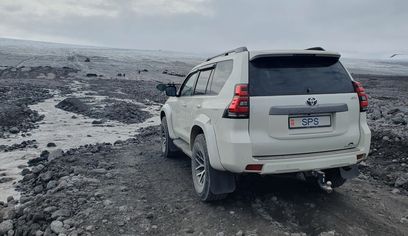
Private Tagestour Westisland ab Reykjavík mit Stopp am Langjökull
SPS Travel · 8 hours
Photos
Gallery
Background
History & Background
Grábrók is a prominent scoria crater, the largest of three, formed during a fissure eruption approximately 3,400 years ago. It belongs to the Ljósufjöll volcanic system, which is one of Iceland's most active and extensive volcanic zones, stretching across the Snaefellsnes Peninsula. The eruption that created Grábrók and its smaller companions, Grábrókarfell and Litla-Grábrók, was characterized by explosive activity, ejecting fragments of lava that cooled rapidly in the air to form the porous, reddish-black scoria rock. Unlike some of Iceland's more remote volcanic features, Grábrók's location right beside the Ring Road (Route 1) makes it exceptionally accessible. This accessibility has allowed countless visitors to experience firsthand the geological processes that continually shape Iceland. The craters stand as a vivid, relatively young example of Icelandic volcanism, offering a tangible link to the island's fiery origins and ongoing geological evolution.
Grábrók stands as a remarkable, easily accessible volcanic crater in West Iceland, offering visitors an unparalleled opportunity to walk upon a geologically significant landmark. Part of the Ljósufjöll volcanic system, this scoria crater, along with its two smaller siblings, Grábrókarfell and Litla-Grábrók, was formed in a powerful fissure eruption approximately 3,400 years ago. Its distinctive reddish-brown and black hues are a result of the scoria – fragmented, glassy volcanic rock – that makes up its structure. A well-maintained, relatively short path and a series of wooden stairs guide visitors effortlessly to the crater's rim. The ascent is gentle, making it suitable for most fitness levels, and the reward is immediate and spectacular. From the top, panoramic views unfold in every direction. To the east, the tranquil waters of Lake Hreðavatn glisten, often reflecting the dramatic Icelandic sky. Surrounding the crater are vast, ancient lava fields, now partially covered in vibrant green moss, showcasing the incredible resilience of nature. The nearby Bifröst University campus adds a touch of modern life to the ancient landscape. It's advisable to wear sturdy shoes, as even though the path is good, the terrain at the top can be uneven and windy. Allow ample time to simply stand and absorb the immense beauty and geological wonder. Grábrók is a perfect stop for those traveling the Ring Road or exploring West Iceland, providing a tangible connection to the island's dynamic volcanic past.
Folklore
Story & Folklore
The wind whipped my hair as I reached the summit of Grábrók, a palpable sense of ancient power in the air. Below, the lava field, a testament to fiery creation, stretched out like a rumpled blanket of dark grey and green moss, dotted with hardy shrubs. Lake Hreðavatn shimmered like a discarded sapphire, reflecting the vast Icelandic sky. I imagined the earth tearing open millennia ago, spewing forth the molten rock that cooled into this very landscape. Each step on the well-trodden path felt like walking through time, connecting me to the raw, untamed forces that shaped this island. The silence, broken only by the wind's whisper and the distant cry of a bird, was profound. It wasn't just a view; it was an immersion into Iceland's primal heart, a moment where the world felt both vast and intimately mine.
Did You Know?
Grábrók is the largest of three craters formed in a single fissure eruption around 3,400 years ago, making it geologically quite young.
Culture
Stories & Legends
Icelandic sagas and folklore from this area
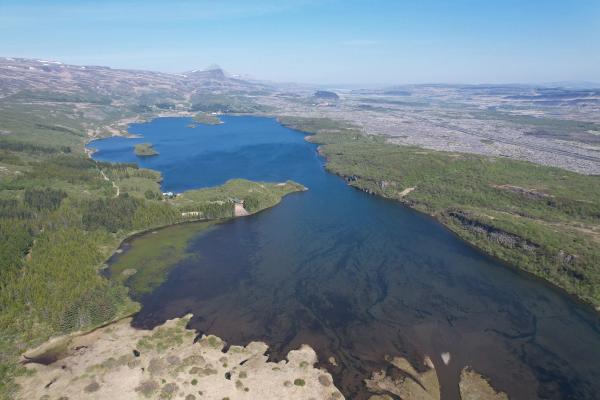
Hreðavatn
Hreðavatn is a historic location in Iceland mentioned in "Gunnlaugs saga ormstungu, Hallfreðar saga vandræðaskálds", one of the ancient Íslendingasögur (Sagas of Icelanders). These medieval narratives preserve the history of Iceland's Viking Age settlement.
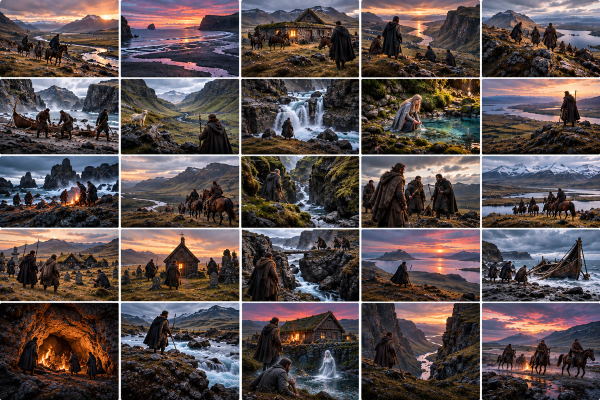
Hvassafell
Hvassafell is a historic location in Iceland mentioned in "Fóstbræðra saga", one of the ancient Íslendingasögur (Sagas of Icelanders). These medieval narratives preserve the history of Iceland's Viking Age settlement.
Location
Location
Discover
Explore Nearby
Places within 5.0 km
Loading nearby places…
0 places found within 5.0 km
Plan full itinerary →Explore More