Glymur Waterfall
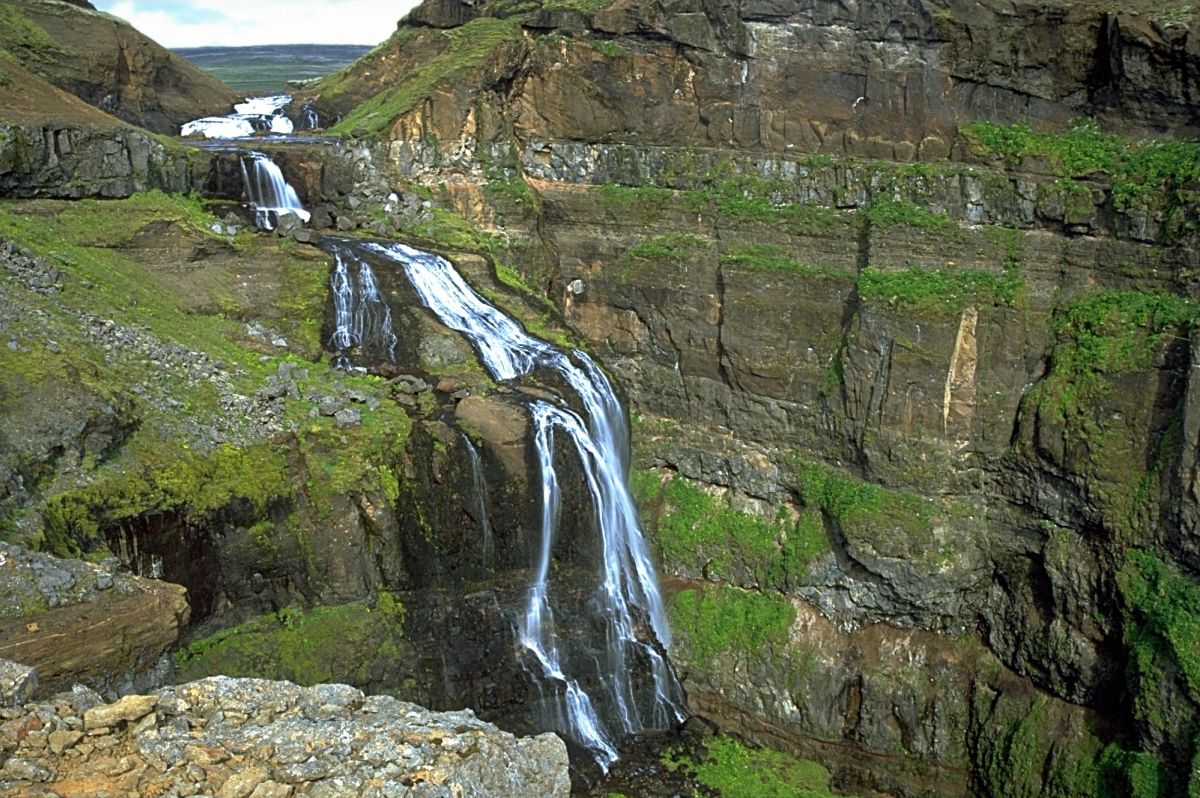
Iceland's magnificent second highest waterfall, Glymur, tumbles 198 meters into Botnsdalur valley.
At a Glance
Visit time
Allow 3–4 hours for the round-trip hike to fully experience the waterfall and its surroundings.
Best season
Late spring to early autumn (May–September) for optimal hiking conditions.
Access
Reached via a spectacular hiking trail through Hvalfjörður fjord in West Iceland. The trail requires physical fitness.
GPS
64.3901, -21.2525
About
About Glymur Waterfall
Iceland's magnificent second highest waterfall, Glymur, tumbles 198 meters into Botnsdalur valley.
Experience the thrill of hiking to Iceland's breathtaking second highest waterfall, hidden within a scenic fjord.
Photos
Photo Gallery
Background
History & Background
The history of Glymur Waterfall, known in Icelandic as Glymur, is primarily a geological one, deeply rooted in the natural formation processes that have sculpted the landscapes of West Iceland over countless millennia. As Iceland's second highest waterfall, plummeting 198 meters, Glymur has been a persistent force at the head of Botnsdalur valley, continuously shaping its environment through the powerful and enduring processes of water erosion. Its existence is a testament to the island's dynamic geological activity, a natural monument formed by the relentless flow of water through ancient berg formations. While specific historical records pertaining to human discovery or early cultural significance beyond its natural grandeur are not detailed in the available research, Glymur has undoubtedly stood as a prominent and awe-inspiring landmark within the Hvalfjörður fjord region for centuries. Its secluded location, accessible via a spectacular hiking trail, suggests that its appreciation has long been tied to the adventurous spirit of those willing to journey into the heart of this dramatic Icelandic landscape. Its enduring presence underscores its role as a significant natural feature, admired for its scale and the pristine wilderness it inhabits.
Nestled within the captivating landscapes of West Iceland, Glymur Waterfall stands as a majestic natural wonder, renowned as the nation's second highest waterfall. Plunging an impressive 198 meters (approximately 650 feet), Glymur creates a powerful spectacle at the head of Botnsdalur valley, an area embraced by the scenic Hvalfjörður fjord. Known in Icelandic simply as Glymur, this magnificent cascade is not merely a sight to behold but an experience to be earned through an exhilarating journey. Access to Glymur is exclusively via a spectacular hiking trail that winds its way through the picturesque Hvalfjörður. This fjord, historically significant and now admired for its tranquil beauty, sets the stage for the adventure. The hike itself is an integral part of the Glymur experience, offering breathtaking views of the surrounding mountains, verdant valleys, and the fjord's serene waters. As hikers progress, the trail gradually ascends, leading them deeper into the heart of Botnsdalur valley. The journey culminates in the dramatic revelation of Glymur, where the colossal volume of water crashes down into the valley below, creating a thunderous roar and a refreshing mist that permeates the air. This natural amphitheater, carved by millennia of glacial and water erosion, provides a truly immersive encounter with Iceland's raw geological power. The waterfall's immense height and its secluded location contribute to its allure, making it a highly rewarding destination for those seeking both natural beauty and an active outdoor adventure in the stunning West Iceland region.
Folklore
Story & Folklore
Imagine a journey deep into West Iceland, where the dramatic Hvalfjörður fjord beckons with its rugged beauty. Here, a spectacular hiking trail winds its way through untouched landscapes, leading adventurers ever closer to a hidden marvel. Each step on the path builds anticipation, as the sounds of rushing water grow louder, hinting at the grandeur ahead. The air grows cooler, carrying the mist of the cascade. Finally, the trail unveils Glymur, known in Icelandic as Glymur, a magnificent waterfall that plunges an astonishing 198 meters. This powerful cascade dominates the head of Botnsdalur valley, a breathtaking spectacle nestled at the very end of the fjord. Standing before Glymur, one feels the sheer scale of its descent, a reward for the effort of the journey, a true testament to Iceland's raw, untamed nature, leaving an indelible mark on the soul of every visitor.
💡 Did You Know?
Glymur, known in Icelandic as Glymur, is Iceland's second highest waterfall, reaching an impressive height of 198 meters (650 feet).
Local Legend
No specific legend found in research
The provided research does not detail any specific local legends or myths associated with Glymur Waterfall.
Culture
Stories & Legends
Icelandic sagas and folklore from this area
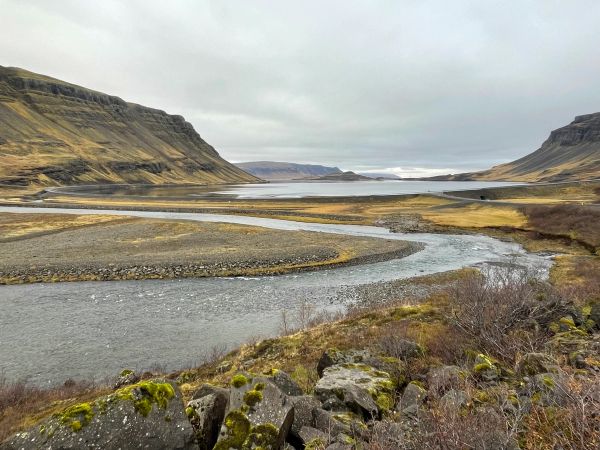
Botnsá
Botnsá is a historic location in Iceland mentioned in "Kjalnesinga saga", one of the ancient Íslendingasögur (Sagas of Icelanders). These medieval narratives preserve the history of Iceland's Viking Age settlement.
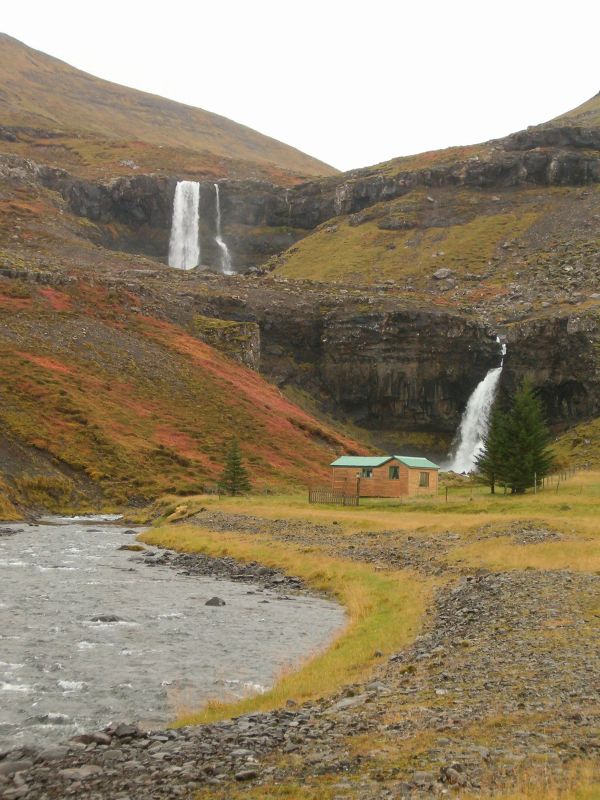
Brynjudalur
Brynjudalur: A valley echoing with tales of bravery and ancient pacts.
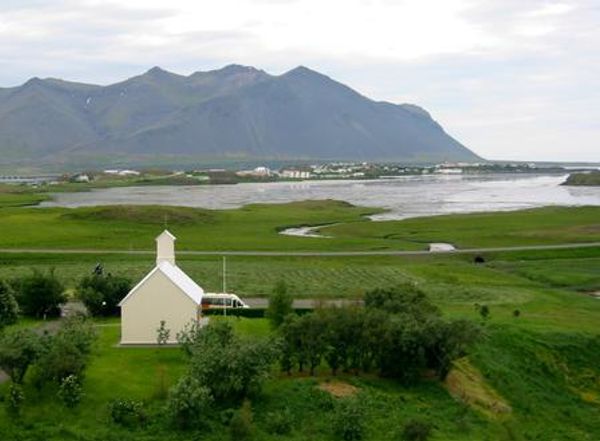
Neðri-Botn (nú Litlibotn)
Neðri-Botn: Where a tragic tale of a chieftain's greed and a sorcerer's curse unfolded.
Stykkisvöllur
Stykkisvöllur is a historic location in Iceland mentioned in "Harðar saga og Hólmverja", one of the ancient Íslendingasögur (Sagas of Icelanders). These medieval narratives preserve the history of Iceland's Viking Age settlement.
Explore
Hidden Gems Nearby
✦ Early Morning Visit
Visit this attraction at sunrise or early morning for the most magical light and fewer crowds.
The morning light creates stunning rainbows in the mist, and you may have the waterfall entirely to yourself.
✦ Nearby Trails
Explore the lesser-known walking trails around this attraction that most tourists skip.
These trails offer unique perspectives of the waterfall and surrounding landscape that you won't find in guidebooks.
✦ Winter Transformation
this attraction takes on an entirely different character in winter when partially frozen.
The ice formations create a spectacular natural sculpture, and the contrast with the flowing water is breathtaking.
Help
Frequently Asked Questions
Location
📍 Location
Discover
Explore Nearby
Places from our database within 1.0 km — all data from Sanity
Loading nearby places…
0 places found within 1.0 km
Plan full itinerary →Explore More