
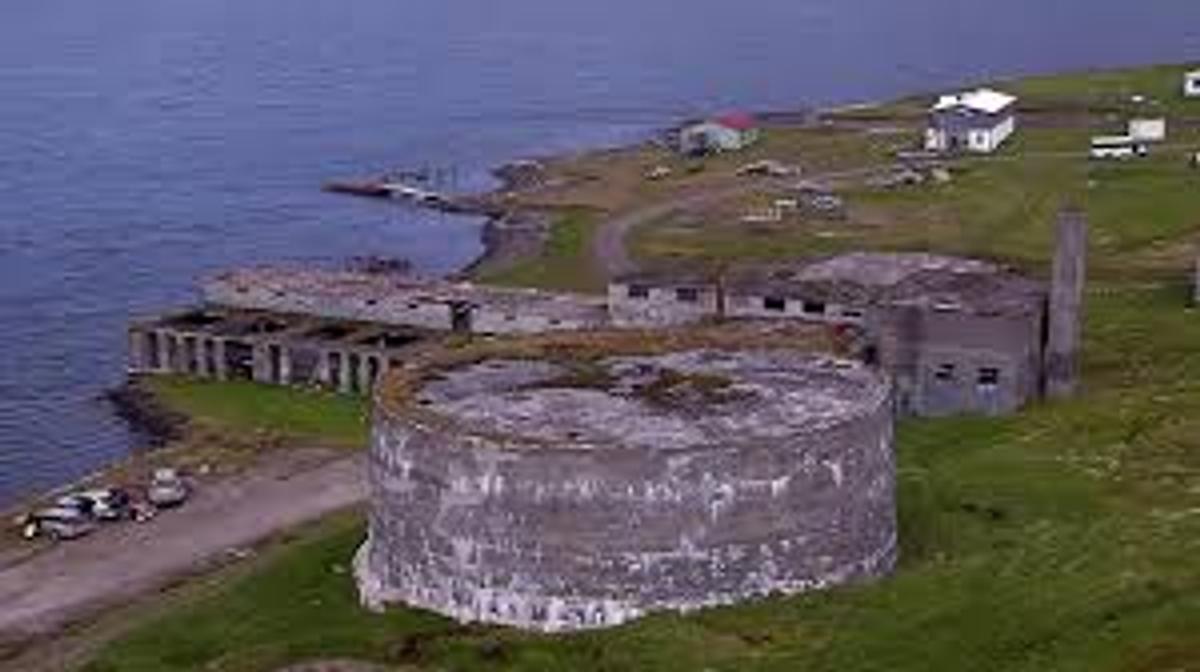
Gamla síldarverksmiðjan á Eyri
Explore the haunting ruins of a former herring factory in the Westfjords, a testament to Iceland's industrial past.
At a Glance
Visit time
1-2 hours for exploration and photography.
Best Season
Late Spring to Early Autumn (May-September) for best weather and access, and to see the Kríuvarp.
Getting There
Accessible by gravel road. While generally passable for 2WD in summer, caution is advised, and conditions can vary. The road passes directly through the site.
GPS
64.1194, -21.9872
About
About Gamla síldarverksmiðjan á Eyri
Explore the haunting ruins of a former herring factory in the Westfjords, a testament to Iceland's industrial past.
Experience a unique blend of industrial heritage, stunning decay, and the raw beauty of the Westfjords.
Tours Near Gamla síldarverksmiðjan á Eyri
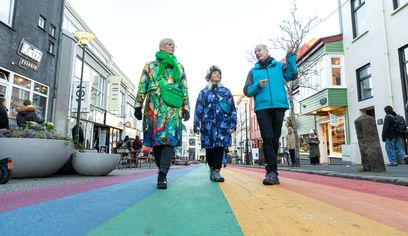
Private Reykjavik LGBTQ+ City Walk
Your Friend in Reykjavik · 3 hours
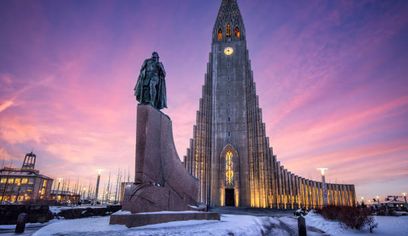
Private Reykjavik City Tour
Icelimo Luxurytravel · 4 hours
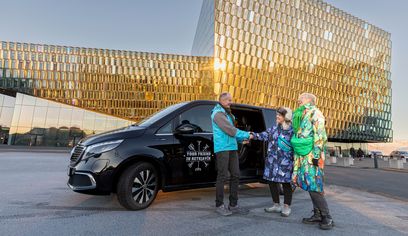
Private 3 hour Reykjavik Driving Tour
Your Friend in Reykjavik · 3 hours
Private Reykjavik Shopping & Sightseeing Walking Tour
Your Friend in Reykjavik · 3 hours
Photos
Gallery
Background
History & Background
The story of Gamla síldarverksmiðjan á Eyri begins earlier than the factory itself, with Norwegian entrepreneurs initiating herring salting in Ingólfsfjörður around 1915. Icelandic businessmen soon followed, with the industry reaching its peak around 1919, when numerous salting stations dotted the fjord. However, a sharp drop in product prices brought this initial boom to an abrupt halt. The industry saw a revival around 1930, leading to the construction of a small herring reduction plant between 1936 and 1937. The most significant development was the erection of the larger herring factory on Eyri by Ingólfur hf. between 1942 and 1944, the very structures whose magnificent ruins stand today. Despite this significant investment, the factory's operations ceased in 1952, marking the end of a dynamic chapter in the region's industrial history. Today, the site stands as a powerful, atmospheric reminder of a time when the "silver of the sea" fueled Iceland's economy.
Nestled on the serene shores of Ingólfsfjörður in the remote Westfjords, Gamla síldarverksmiðjan á Eyri stands as a captivating relic of Iceland's pivotal herring industry. Dating back to its construction between 1942 and 1944, this former fishmeal factory tells a vivid story of boom and bust. Visitors can explore the "magnificently dilapidated" structures, including the prominent, circular concrete processing tank that dominates the foreground of the site, now a striking canvas of weathered concrete and creeping vegetation. The long, skeletal buildings stretching along the coastline, with their crumbling walls and exposed interiors, offer a poignant glimpse into the industrial architecture of the mid-20th century. Remarkably, the main road into Ingólfsfjörður actually passes directly through the heart of the old factory grounds, making it an accessible and unforgettable stop. Beyond its industrial heritage, the area is rich with other historical artifacts and cultural remnants. For nature lovers, the site is also home to a significant Kríuvarp (Arctic Tern colony), adding a lively natural element to the historical stillness. This location embodies a unique blend of human endeavor, natural reclamation, and the enduring spirit of the Icelandic landscape, inviting contemplation on the passage of time and the transient nature of prosperity.
Folklore
Story & Folklore
In the quiet embrace of Ingólfsfjörður, the skeletal remains of Gamla síldarverksmiðjan á Eyri whisper tales of a vibrant past. Imagine the clamor of the 1940s: the rhythmic thrum of machinery, the salty tang of herring, the shouts of workers bustling around the massive round concrete tank, now overgrown with moss. This was a place of hope and industry, built with ambition. But the herring, fickle as the sea itself, eventually vanished from these shores. The factory fell silent, its purpose lost to the changing tides. Locals say that on still evenings, the echoes of laughter and the melancholic cry of gulls carry the memories of those who once toiled here, their spirits forever bound to the decaying concrete and the whispering winds of the fjord. It's a place where history doesn't just sit; it breathes.
Did You Know?
The Westfjords were once a bustling hub of Iceland's "herring boom," and this factory's ruins offer a tangible link to that golden age, now steeped in local lore.
Culture
Stories & Legends
Icelandic sagas and folklore from this area
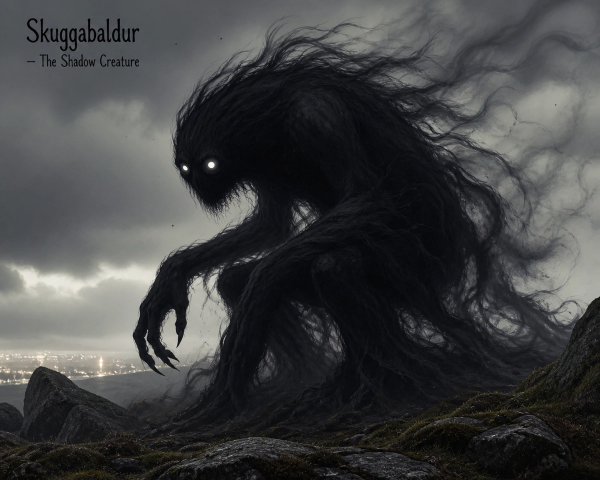
Skuggabaldur – The Shadow Creature
Skuggabaldur: A phantom dog guarding forgotten paths.
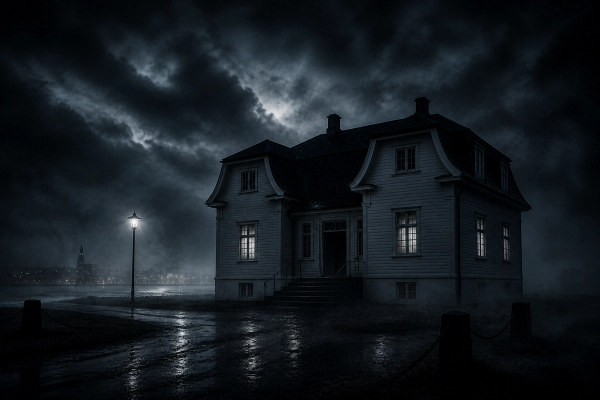
Höfði House – Reykjavík's Haunted Mansion
Höfði House: Reykjavík's historic mansion with a chilling paranormal past.
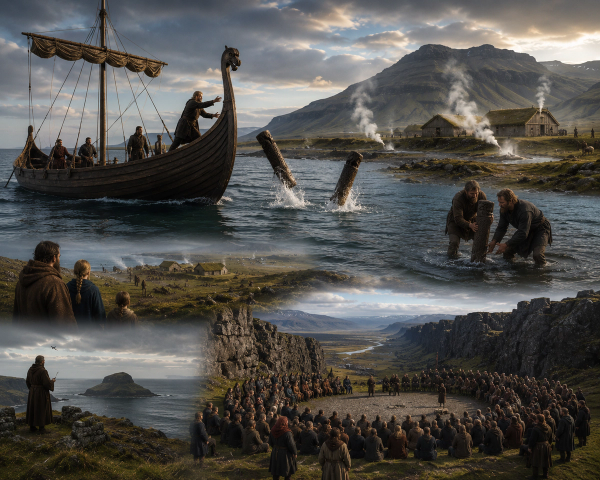
The Settlement of Iceland – Land of Fire and Freedom
Iceland: Land of Fire and Freedom, forged by Vikings and volcanic might.
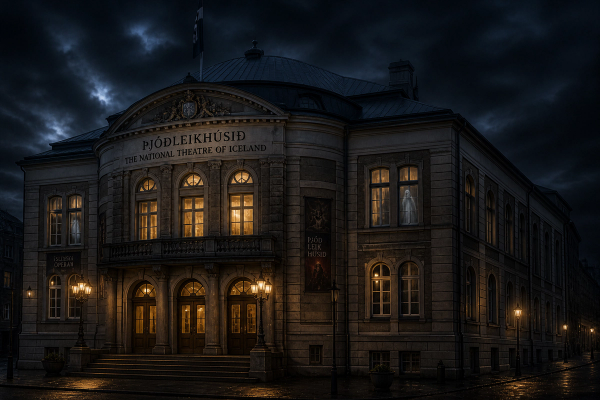
National Theatre of Iceland
Staff and performers have reported unexplained sounds, flickering lights and ghostly presences in the backstage areas and upper floors of this early 20th century building.
Explore
Hidden Gems Nearby
The Great Round Tank
This massive, circular concrete structure, now overgrown, was the heart of the processing plant. Its sheer scale and weathered texture offer incredible photographic opportunities.
A striking visual centerpiece and a testament to the factory's industrial might.
Road Through the Factory
Uniquely, the main road into Ingólfsfjörður passes directly through the factory grounds. Drive or walk this stretch to experience the ruins up close, truly integrating them into the landscape.
Offers an unparalleled, immersive perspective on the abandoned site.
Kríuvarp (Arctic Tern Colony)
Near the factory, a lively Arctic Tern colony thrives during nesting season. Observe these agile birds as they dive and soar, adding a vibrant natural contrast to the historical ruins.
A chance to witness fascinating Arctic wildlife amidst the industrial decay.
Help
Frequently Asked Questions
Location
Location
Discover
Explore Nearby
Places from our database within 5.0 km — all data from Sanity
Loading nearby places…
0 places found within 5.0 km
Plan full itinerary →Explore More