
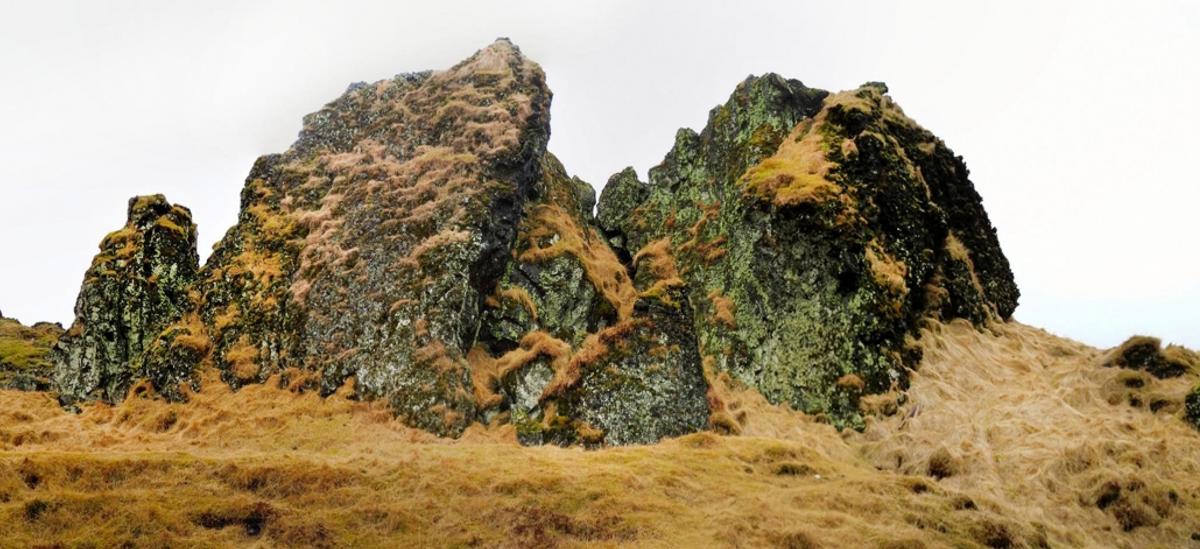
Gálgaklettar
Historic place-name and lava-rock formation by Lambhústjörn in Gálgahraun, Garðabær.
About
About Gálgaklettar
Historic place-name and lava-rock formation by Lambhústjörn in Gálgahraun, Garðabær.
Add a historical-place-name stop to a walk through Gálgahraun and along Lambhústjörn.
Tours Near Gálgaklettar
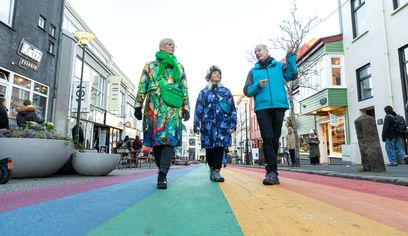
Private Reykjavik LGBTQ+ City Walk
Your Friend in Reykjavik · 3 hours
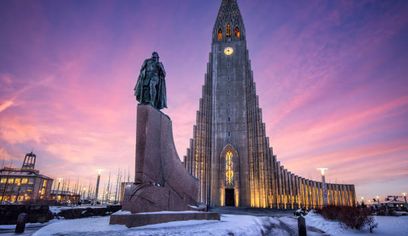
Private Reykjavik City Tour
Icelimo Luxurytravel · 4 hours

Private 3 hour Reykjavik Driving Tour
Your Friend in Reykjavik · 3 hours

Private 4 hour Reykjavik Driving Tour
Your Friend in Reykjavik · 4 hours
Photos
Gallery
Background
History & Background
Gálgaklettar holds a significant, albeit grim, place in Icelandic judicial history. For centuries, particularly during the 17th and 18th centuries, it functioned as one of the primary execution sites in West Iceland. This period was characterized by a strict legal code, where offenses that might seem minor today could result in capital punishment. The site was used for various crimes, including murder, theft, and notably, during the infamous Icelandic witch hunts, where individuals accused of sorcery faced their ultimate fate here. The choice of Gálgaklettar as an execution site was likely due to its remote, dramatic location, which added to the solemnity and public spectacle of the punishments. The natural rock formations themselves were adapted to serve as gallows, a stark and simple method reflecting the practical nature of the time. The very rocks, now covered in moss and lichen and surrounded by resilient golden grasses, stood witness to these events. Records from the period, though often sparse, confirm the use of this site for numerous executions, making it a tangible link to a darker chapter of Iceland's past, a time when fear and severe justice shaped communities.
Gálgaklettar lie in the northwestern part of Gálgahraun beside Lambhústjörn in Garðabær. Archaeological records classify the natural rocks as a traditional execution site, but documentary evidence for particular executions is limited. The previous text incorrectly placed this record on Snæfellsnes.
Did You Know?
Gálgaklettar, meaning 'Gallows Rocks,' was a primary execution site in West Iceland during the 17th and 18th centuries for crimes like theft and witchcraft.
Culture
Stories & Legends
Icelandic sagas and folklore from this area
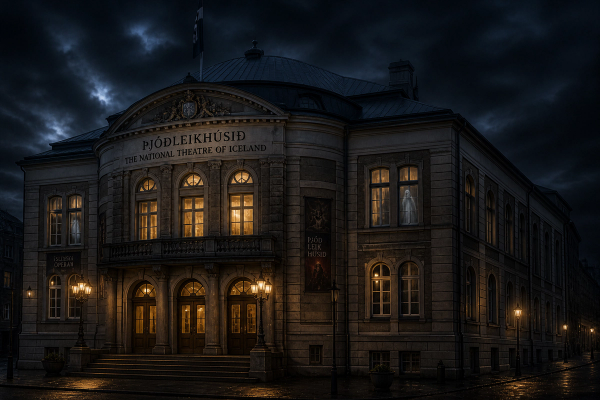
National Theatre of Iceland
Staff and performers have reported unexplained sounds, flickering lights and ghostly presences in the backstage areas and upper floors of this early 20th century building.
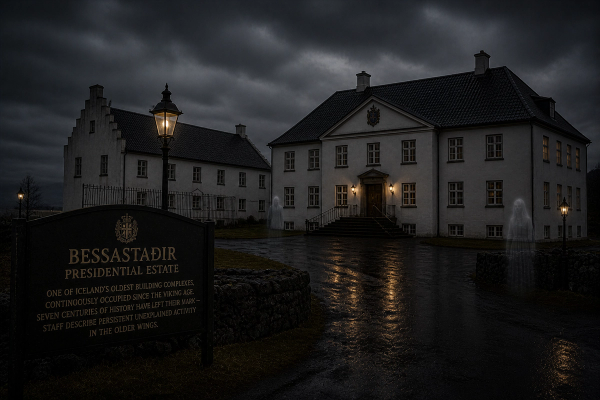
Bessastaðir Presidential Estate
One of Iceland's oldest building complexes, continuously occupied since the Viking Age. Seven centuries of history have left their mark — staff describe persistent unexplained activity in the older wings.
Explore
Hidden Gems Nearby
Unique Rock Formations
Explore the naturally sculpted dark, moss-covered rocks that formed the gallows. Their rugged beauty contrasts sharply with their grim history and provides unique textures.
Offers a tangible connection to the past and unique photographic opportunities of the natural gallows.
Golden Grass Landscape
Wander through the surrounding fields of golden-brown, dry grass that carpet the area. This stark and resilient vegetation adds to the site's solemn and remote atmosphere.
Provides a sense of isolation and reflection, enhancing the historical experience and offering beautiful visual contrast.
Help
Frequently Asked Questions
Location
Location
Discover
Explore Nearby
Places within 5.0 km
Loading nearby places…
0 places found within 5.0 km
Plan full itinerary →Explore More