
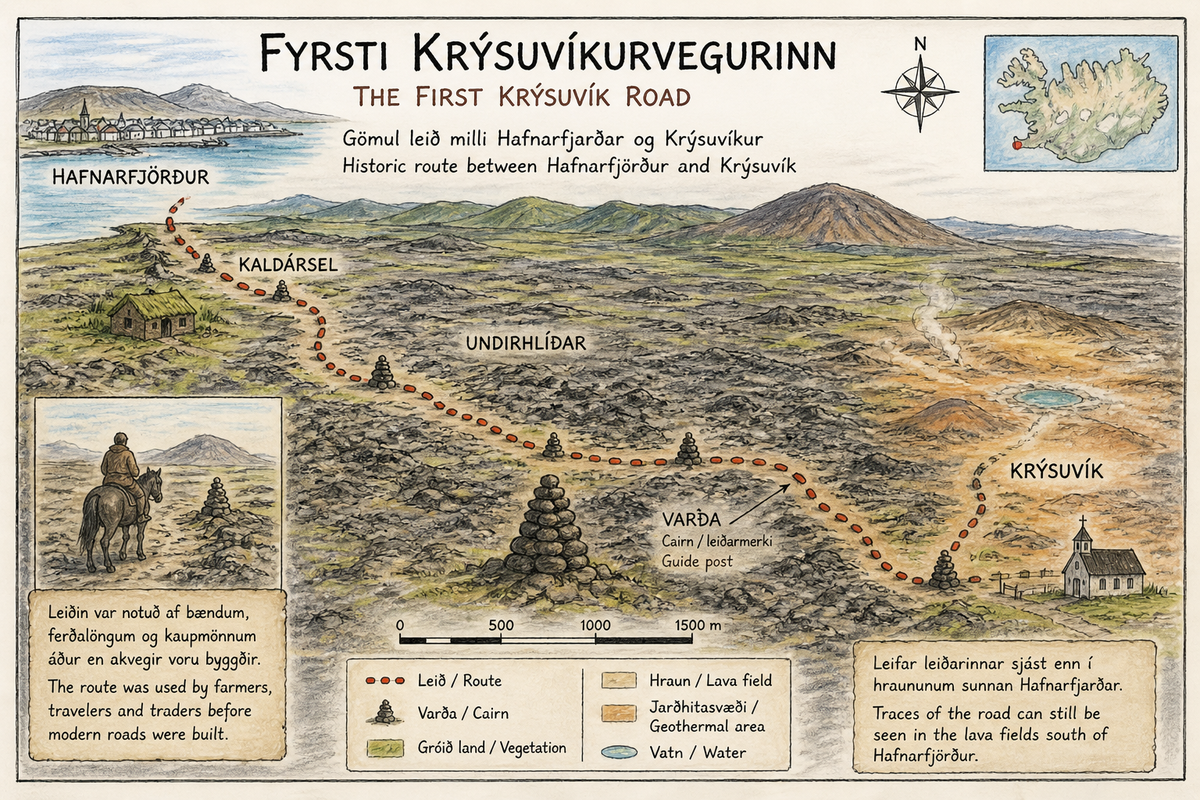
The First Krýsuvík Road
The First Krýsuvík Road is a historic travel route linking Hafnarfjörður with Krýsuvík, preserving traces of early horseback journeys across the lava landscapes…
About
About The First Krýsuvík Road
The First Krýsuvík Road is a historic travel route linking Hafnarfjörður with Krýsuvík, preserving traces of early horseback journeys across the lava landscapes of the Reykjanes Peninsula before modern roads were built.
Fyrsti Krýsuvíkurvegurinn are historic ruins in Capital Region, Iceland, offering a glimpse into the lives of early Icelandic settlers and the country's long history.
Tours Near The First Krýsuvík Road
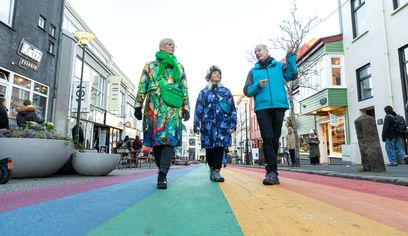
Private Reykjavik LGBTQ+ City Walk
Your Friend in Reykjavik · 3 hours
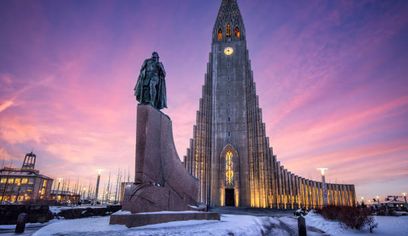
Private Reykjavik City Tour
Icelimo Luxurytravel · 4 hours
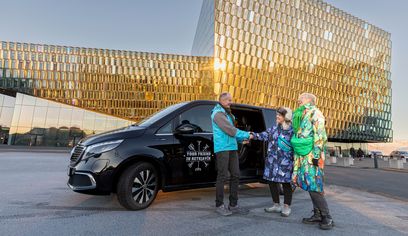
Private 3 hour Reykjavik Driving Tour
Your Friend in Reykjavik · 3 hours
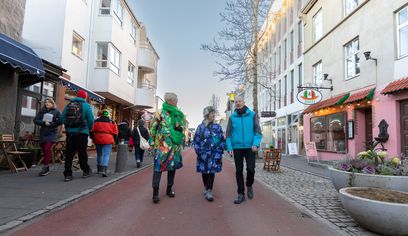
Private Reykjavik Shopping & Sightseeing Walking Tour
Your Friend in Reykjavik · 3 hours
Photos
Gallery
Background
History & Background
The First Krýsuvík Road developed as part of Iceland’s traditional network of travel routes used before the construction of modern roads in the 19th and early 20th centuries. It provided a reliable connection between Hafnarfjörður and the farming and church settlement at Krýsuvík, supporting seasonal movement, trade, and communication between communities. As improved transport infrastructure was introduced during the 20th century, the original route gradually fell out of regular use. However, sections of the old road remain preserved in the landscape today as cultural heritage features that reflect early transportation history on the Reykjanes Peninsula.
The First Krýsuvík Road (Fyrsti Krýsuvíkurvegurinn) was an important historic travel route connecting the coastal settlement of Hafnarfjörður with the inland area of Krýsuvík across the rugged lava landscapes of the Reykjanes Peninsula. Long before modern roads were built, this path formed part of a wider network of traditional routes used by farmers, fishermen, traders, and travelers moving between coastal communities and inland resource areas. The route crossed young lava fields, uneven terrain, and open grazing lands where navigation depended on experience and carefully placed stone cairns (varða) that guided travelers through the landscape in all seasons. It provided access not only to farms and church sites in Krýsuvík but also to important grazing areas and geothermal resources that were valuable to nearby communities. Despite the difficult conditions, the road remained a reliable connection between settlements for generations. Sections of the old road can still be traced today near Kaldársel and across surrounding lava fields south of Hafnarfjörður. These preserved traces offer visitors insight into how people once traveled across the Reykjanes Peninsula before the development of modern infrastructure. Walking along parts of the route provides a unique opportunity to experience the historic landscape much as earlier travelers would have encountered it centuries ago.
Folklore
Story & Folklore
The First Krýsuvík Road once served as a vital connection between the coastal community of Hafnarfjörður and the inland settlement area of Krýsuvík, crossing a landscape shaped by lava flows, hills, and open grazing land on the Reykjanes Peninsula. Long before modern roads reached this region, people traveled this route on foot or horseback while transporting supplies, visiting neighboring farms, and maintaining ties between coastal fishing communities and inland agricultural areas. The journey was not easy. Travelers relied on experience, landmarks, and stone cairns placed along the route to find their way through the rough terrain and changing weather conditions. Despite these challenges, the road remained an essential lifeline for communication and seasonal movement between settlements for generations. Today, traces of the old route can still be seen in the landscape near Kaldársel and surrounding lava fields. Walking along parts of the path offers visitors a rare opportunity to follow the footsteps of earlier travelers and experience how people once navigated Iceland’s dramatic volcanic environment long before modern transportation transformed the region.
Did You Know?
Before modern roads existed, travelers on the First Krýsuvík Road between Hafnarfjörður and Krýsuvík often navigated by following cairns (varða)—small stone markers placed across the lava fields to guide people safely through the rugged volcanic landscape in poor weather and winter conditions?
Culture
Stories & Legends
Icelandic sagas and folklore from this area
Location
Location
Discover
Explore Nearby
Places from our database within 5.0 km — all data from Sanity
Loading nearby places…
0 places found within 5.0 km
Plan full itinerary →Explore More