
south-iceland · Iceland
Fljótshólar
About Fljótshólar
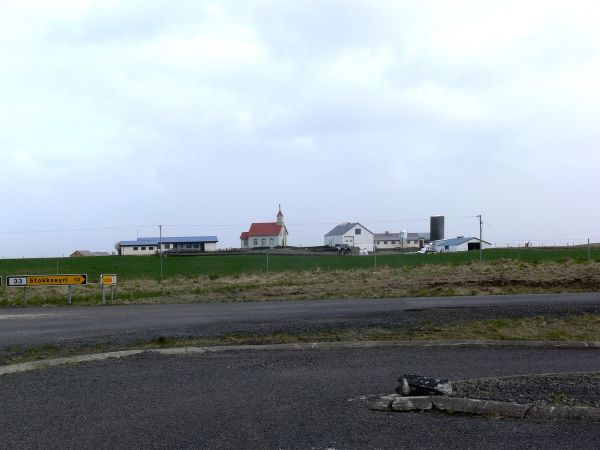
Discover Fljótshólar, a breathtaking viewpoint offering expansive vistas over South Iceland's verdant landscape. Witness endless green fields, neatly arranged with white hay bales, stretching towards distant farmsteads and the wide, serene Þjórsá river. The dynamic sky, painted with dramatic clouds, adds to the majestic scene.
History & Background
Fljótshólar holds a special place in the history of the Flói region, traditionally known as the southernmost and easternmost farm, strategically positioned on the fertile banks of the Þjórsá river. Its long history is evidenced by the presence of protected ancient settlements and ruins within its lands, hinting at continuous human habitation and agricultural activity dating back centuries. This location, blessed with rich soil and access to the vast Þjórsá, has been a vital center for farming and community life. The farm's prominence also stems from its unique geographical advantage, offering a commanding perspective over the expansive lowlands and distant mountain ranges. This strategic viewpoint would have been crucial for observing weather patterns, monitoring livestock, and perhaps even watching for travelers along the river. The blend of productive farmland and historical remnants makes Fljótshólar a living testament to Iceland's enduring connection between its people, its land, and its ancient past.
Did You Know?
- ✔Fljótshólar offers panoramic views of the surrounding area
- ✔Iceland's diverse terrain creates exceptional viewpoints across the country
- ✔Best visited on clear days for the most dramatic vistas
Tours Near Fljótshólar
Best-rated Iceland experiences — book with free cancellation


Why Visit
Experience one of Iceland's widest mountain views, capturing picturesque rural serenity and agricultural life.
Did You Know?
Fljótshólar is renowned for offering one of Iceland's most expansive mountain views, overlooking the Þjórsá river, which is remarkably 5 km wide and calm at this point.
The Whispering Bales of Fljótshólar
Locals say that on calm evenings, the white hay bales at Fljótshólar whisper ancient stories of the land and its people. Each bale, a guardian of the harvest, holds the memories of seasons past, sharing tales of hard work, bountiful summers, and the enduring spirit of Icelandic farmers with those who listen closely.
📖 Stories & Legends
Icelandic sagas and folklore from this area
Hidden Gems Nearby
Ancient Settlement Ruins
Explore the protected remnants of ancient settlements within the Fljótshólar lands, offering a glimpse into the lives of early Icelandic inhabitants.
Discover centuries of history etched into the landscape.
Þjórsá River Banks
Venture closer to the banks of the mighty Þjórsá river, which is remarkably wide and calm here, offering serene views and birdwatching opportunities.
Witness the impressive scale and tranquility of Iceland's longest river.
Practical Information
Best Time
Late morning to afternoon on a clear day.
Duration
30-45 minutes for viewing and photography.
Access
Accessible via a well-maintained gravel road, suitable for all vehicles. Parking is available at the viewpoint.
Frequently Asked Questions
Is there an entry fee for Fljótshólar?▾
No, there is no entry fee to visit Fljótshólar viewpoint. It is freely accessible to the public.
Is parking available at Fljótshólar?▾
Yes, there is ample parking space available directly at the viewpoint, making it convenient for visitors arriving by car.
Is Fljótshólar wheelchair accessible?▾
The main viewpoint area offers relatively flat ground near the parking, but the terrain beyond that is uneven grass and gravel, which may be challenging for wheelchairs.
What is the best time of year to visit Fljótshólar?▾
The best time to visit is during the summer months (May to September) when the fields are lush green, hay bales are visible, and the weather is generally milder for clear views.
Can I walk around in the fields with the hay bales?▾
While the fields are picturesque, they are private farmland. Visitors should respect private property and view the hay bales from designated areas or the roadside without entering the fields.