east-iceland · Iceland
Fjósatunga
About Fjósatunga
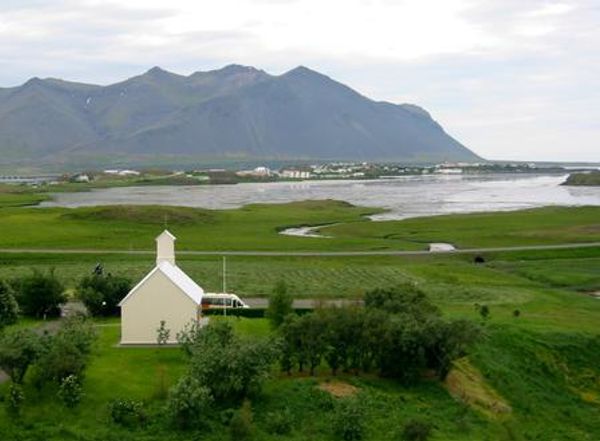
Nestled in the rugged embrace of East Iceland's dramatic mountains and serene valleys, Fjósatunga is more than just a place on the map; it's a living echo chamber of Iceland's rich folklore. This site is deeply woven into the fabric of ancient sagas and mythical tales, offering a tangible connection to the cultural heritage that defines this land.
History & Background
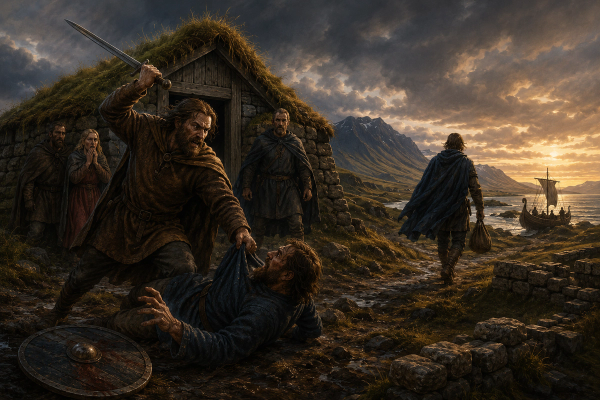
Fjósatunga, though not marked by prominent ruins, holds immense historical and cultural weight within East Iceland. Its significance stems from its deep connection to the island's rich tradition of folklore, sagas, and ancient stories that have been meticulously passed down through generations. This site embodies the essence of Iceland's intangible heritage, a living testament to the powerful oral traditions that shaped its early society. The Icelandic sagas, some of the most important literary works of the Middle Ages, often draw inspiration from specific landscapes and communities, and Fjósatunga is firmly rooted in this cultural bedrock. The rugged, isolated terrain, characteristic of the region seen in the map, naturally fostered an environment where tales of hidden folk—elves, trolls, and other mythical beings—became intrinsically tied to the land itself. These stories served not only as entertainment but also as explanations for natural phenomena and moral guides. To understand Fjósatunga is to understand the Icelandic worldview, where the natural world is imbued with spiritual and historical meaning. It represents a focal point for appreciating how deeply history, mythology, and the dramatic landscape of East Iceland are intertwined, offering visitors a unique window into the soul of a nation defined by its narrative legacy.
Did You Know?
- ✔Fjósatunga is part of Iceland's rich cultural and historical heritage
- ✔Iceland's sagas are among the most important literary works of the Middle Ages
- ✔Icelandic folklore features elves, trolls, and other mythical beings tied to the landscape
Tours Near Fjósatunga
Best-rated Iceland experiences — book with free cancellation


Why Visit
Delve into Iceland's captivating folklore and sagas amidst stunning East Icelandic scenery.
Did You Know?
Did you know Iceland's sagas are considered among the most important literary works of the Middle Ages, and Fjósatunga is steeped in this tradition, alongside tales of elves and trolls?
The Whispering Valley of the Hidden Folk
Local lore tells of a shepherd who, lost in a dense fog near Fjósatunga, stumbled upon an ethereal realm beneath the mountains, encountering the hidden folk. He returned with no memory of his journey, only a faint, beautiful melody in his heart, a tune some say can still be heard echoing in the valleys at twilight. It's a reminder of the mystical beings that dwell just beyond human sight in Iceland's wild landscapes.
📖 Stories & Legends
Icelandic sagas and folklore from this area
Hidden Gems Nearby
Huldufólk's Grotto
A secluded rock formation resembling a small cave, said to be a dwelling place for the hidden folk. Visitors often leave small offerings.
Offers a tangible spot to connect with Icelandic folklore and the belief in elves.
Saga Viewpoint
A quiet spot offering panoramic views of the surrounding valleys and peaks, perfect for contemplating the ancient sagas inspired by such landscapes.
Provides breathtaking vistas that evoke the grandeur of Iceland's epic tales.
Whispering Stream
A gentle stream cascading down the slopes, its soft murmurs believed by some to be the faint songs of the hidden folk.
A serene natural feature that perfectly embodies the mystical atmosphere of Fjósatunga.
Practical Information
Best Time
Late Spring to Early Autumn (May-September) for best weather; twilight for mystical atmosphere.
Duration
1-2 hours to explore the immediate area and absorb the atmosphere.
Access
Access is via gravel roads, generally suitable for 2WD vehicles in summer, but 4WD is recommended for exploring surrounding areas or during shoulder seasons. Parking is limited near the site.
Frequently Asked Questions
Is parking available at Fjósatunga?▾
Yes, there is limited informal parking available near the site, typically on a gravel pull-off. Please park respectfully and do not block any access roads.
Is there an entry fee to visit Fjósatunga?▾
No, there is no entry fee to visit Fjósatunga as it is a natural and culturally significant site open to the public.
What should I bring when visiting Fjósatunga?▾
We recommend bringing sturdy hiking shoes suitable for uneven terrain, warm layers of clothing (even in summer), rain gear, a camera, and a sense of imagination to fully appreciate the folklore.
Is Fjósatunga wheelchair accessible?▾
Due to the rugged and natural terrain, Fjósatunga is not wheelchair accessible. The site involves walking on uneven ground and potentially gravel paths.
When is the best time of day to visit Fjósatunga?▾
While beautiful at any time, visiting during the twilight hours can enhance the mystical atmosphere, as local legends suggest the hidden folk are more active then, and the light paints the mountains dramatically.