
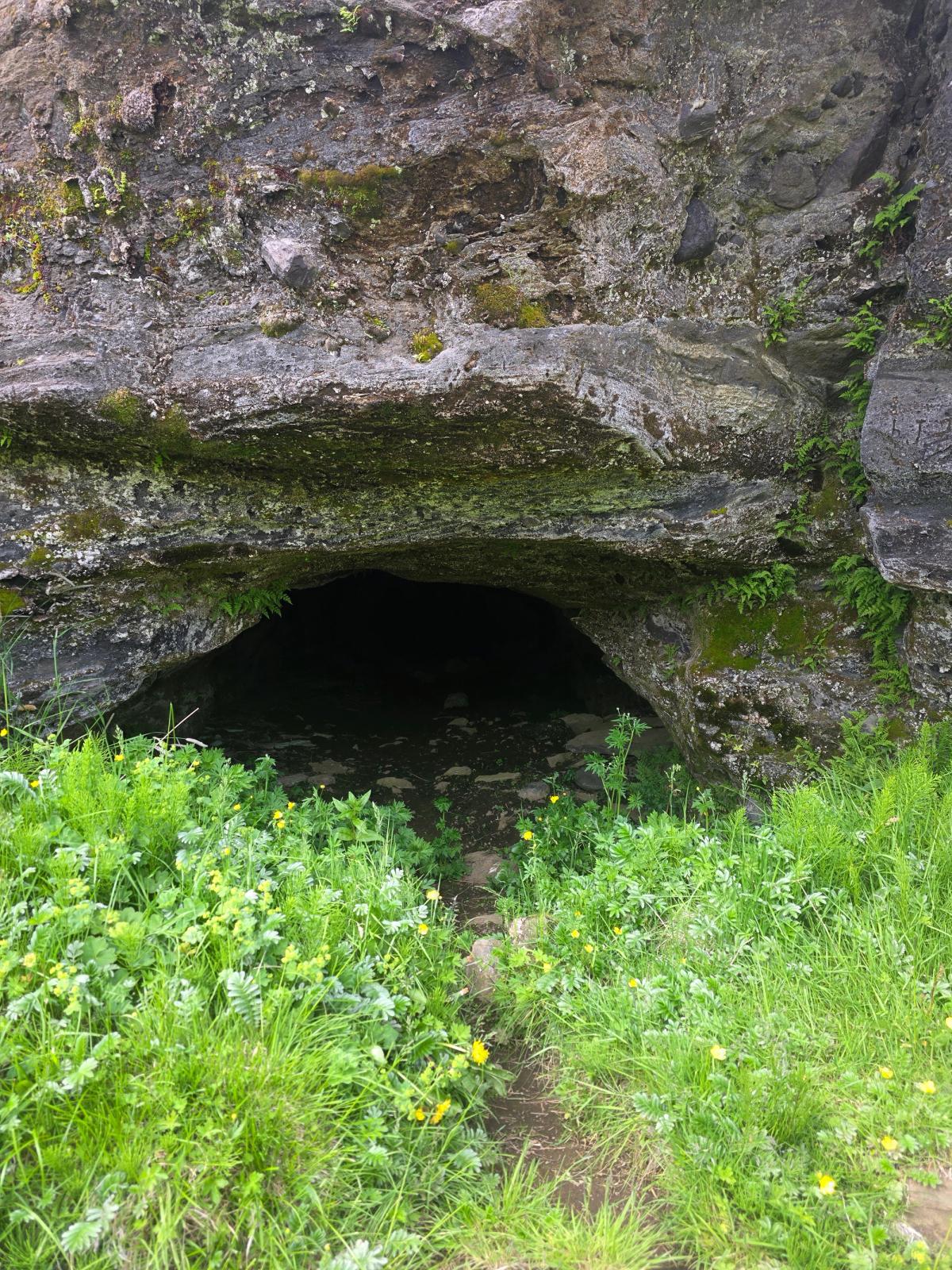
Efra-Hvolshellar
Protected man-made caves near Hvolsvöllur with an uncertain early history.
About
About Efra-Hvolshellar
Protected man-made caves near Hvolsvöllur with an uncertain early history.
See an unusual group of historic man-made caves while keeping the site's uncertain origins in perspective.
Tours Near Efra-Hvolshellar

South Coast Tour - Black Sand Beach, Plane wreck, Skogafoss, Seljalandsfoss guided in Chinese冰岛南岸黑沙滩飞机残骸中文一日团
Magic Iceland Travel · 10 hours 30 minutes
DT 322 Private Superjeep South Coast & Eyjafjallajökull Volcano Sights
Superjeep · 8 hours
South Coast Waterfalls, Glacier & Black Sand Beach Tour
BusTravel Iceland · 10 hours
DT 402 Private Monster Truck South Coast & Eyjafjallajökull Volcano Sights
Superjeep · 8 hours
Photos
Gallery
Background
History & Background
The Efra-Hvolshellar caves, known locally as Írahellar or 'Irish Caves', hold a unique place in Icelandic history. Located in the land of Efra-Hvol, just outside Hvolsvöllur, they are a significant cultural heritage site, protected since 1929. While many man-made caves in Iceland were constructed in the 19th century, the ancient naming of these particular caves strongly suggests an origin predating the Norse settlement of Iceland around 874 AD. This makes them incredibly rare and significant archaeological sites, potentially offering evidence of early Celtic or Irish inhabitants before the arrival of the Vikings. Comprised of three distinct chambers—two interconnected and one solitary—the caves were likely used for shelter or storage by early settlers. The standalone cave, estimated at 45 meters, once held the title of the second-longest man-made cave in the country. However, a collapse of a built roof opening approximately a century ago filled much of its interior with soil, limiting current access to about one-third of its original length. Despite this, the site is carefully protected, and recent work has aimed at improving accessibility while preserving its historical integrity, allowing visitors to connect with Iceland's enigmatic pre-settlement past.
Efra-Hvolshellar are a group of man-made caves on the land of Efra-Hvol near Hvolsvöllur. The caves are protected cultural heritage and have long attracted interest because of their construction and uncertain age. Interpretations linking them to pre-Norse inhabitants are not established fact, so the site is best understood as an important but still partly unexplained archaeological feature.
Folklore
Story & Folklore
As you approach Efra-Hvolshellar, the air grows cooler, carrying whispers of ancient times. The entrance, framed by moss-draped rocks and earthy tones visible in the image, beckons you into its shadowed embrace. Imagine stepping back over a thousand years, to a time before the Vikings, when these very caves might have offered shelter to early wanderers – perhaps even Irish monks. The path inside, a rich brown earth scattered with stones and bordered by lush green grass and yellow wildflowers, leads deeper into the earth. Though only a third of the longest cave is now accessible, a collapse a century ago hiding its full extent, the sense of history is palpable. A faint light from a distant opening hints at the cave's mysteries, inviting contemplation of the lives once lived within these stony walls. This isn't just a cave; it's a portal to Iceland's earliest, most enigmatic chapters.
Did You Know?
The name "Írahellar" (Irish Caves) suggests these man-made structures might predate the Norse settlement of Iceland (c. 874 AD), hinting at early Celtic or Irish inhabitants.
Culture
Stories & Legends
Icelandic sagas and folklore from this area
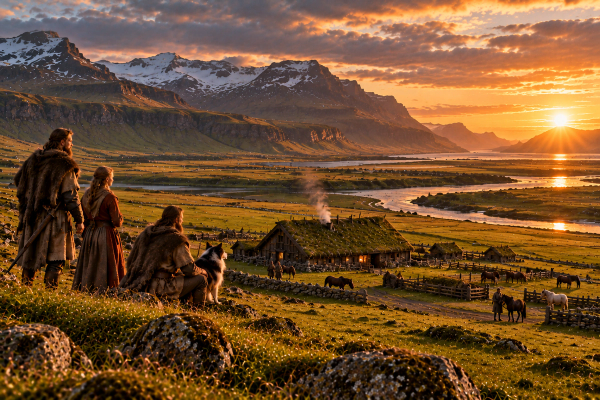
Brekkur
Brekkur is a historic location in Iceland mentioned in "Egils saga", one of the ancient Íslendingasögur (Sagas of Icelanders). These medieval narratives preserve the history of Iceland's Viking Age settlement.
Fljótshlíð
Fljótshlíð: A verdant plain, the heart of saga events and rural life.
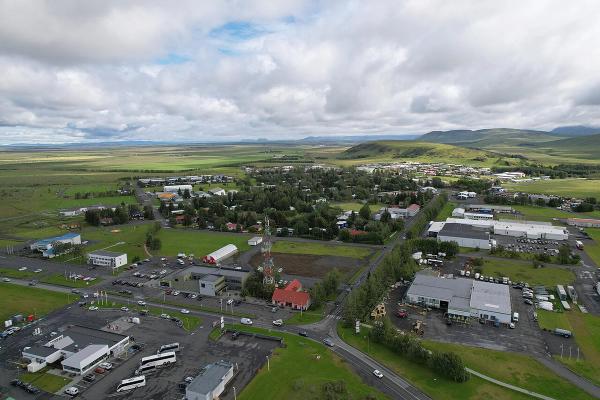
Sámsstaðir
Sámsstaðir: A farm steeped in saga, witness to a blood feud's bitter end.
Stórólfsvöllur
Stórólfsvöllur is a historic location in Iceland mentioned in "Egils saga", one of the ancient Íslendingasögur (Sagas of Icelanders). These medieval narratives preserve the history of Iceland's Viking Age settlement.
Explore
Hidden Gems Nearby
Íraheiði (Irish Heath)
The heathland directly above the Efra-Hvolshellar caves, which shares the 'Irish' name. It offers scenic views and a chance to reflect on the historical significance of the area.
Its name directly links to the caves' pre-Norse history, inviting further exploration of the area's ancient mysteries.
The Collapsed Section
While inaccessible, the story of the collapsed roof opening about a century ago adds a layer of intrigue to the longest cave, reminding visitors of its age and the forces of time.
It highlights the cave's long history and the challenges of preserving such ancient sites, adding to its mystique.
Help
Frequently Asked Questions
Location
Location
Discover
Explore Nearby
Places within 5.0 km
Loading nearby places…
0 places found within 5.0 km
Plan full itinerary →Explore More