
Drekkingarhylur
Drekkingarhylur, 'The Drowning Pool,' is a somber historic site in Þingvellir, its clear waters holding a dark past.
About
About Drekkingarhylur
Drekkingarhylur, 'The Drowning Pool,' is a somber historic site in Þingvellir, its clear waters holding a dark past.
Reflect on a poignant chapter of Iceland's judicial history amidst Þingvellir's natural beauty.
Tours Near Drekkingarhylur

South Coast Tour - Black Sand Beach, Plane wreck, Skogafoss, Seljalandsfoss guided in Chinese冰岛南岸黑沙滩飞机残骸中文一日团
Magic Iceland Travel · 10 hours 30 minutes
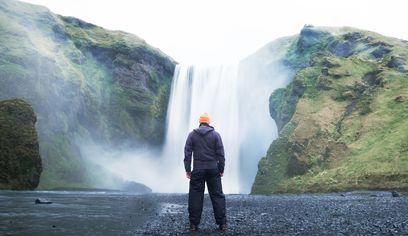
South Coast Waterfalls, Glacier & Black Sand Beach Tour
BusTravel Iceland · 10 hours
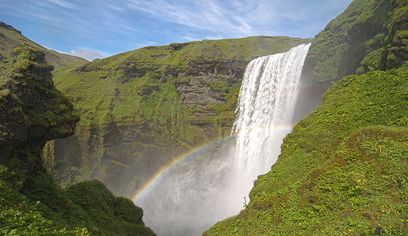
South Coast Small Group Tour: Waterfalls, Glacier & Black Sand Beach
BusTravel Iceland · 10 hours
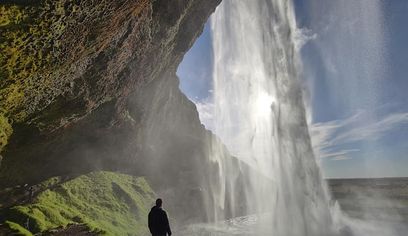
South Coast Waterfalls, Black Beach and Glacier Adventure | Small Group Day Tour
Nicetravel · 11 hours
Photos
Gallery
Background
History & Background
Drekkingarhylur, meaning 'The Drowning Pool,' is a deep, natural pool situated in the Öxará River within Þingvellir National Park in South Iceland. This site holds significant historical weight, forming a crucial part of the judicial history interpreted within the national park, which is renowned for its early parliamentary assemblies. During the 17th and 18th centuries, Drekkingarhylur served a grim purpose as an execution site. Women who were sentenced to death for specific offenses under Iceland's early-modern legal system were drowned in these very waters. This practice sheds light on a darker, more difficult aspect of the social and legal norms prevalent in Iceland during that period. Today, Drekkingarhylur is recognized as a place of remembrance and reflection. It stands as a stark reminder of the complexities of justice and societal punishment in centuries past, inviting visitors to engage with a poignant chapter of Icelandic history amidst the natural beauty of Þingvellir National Park, always respecting the solemnity of the location.
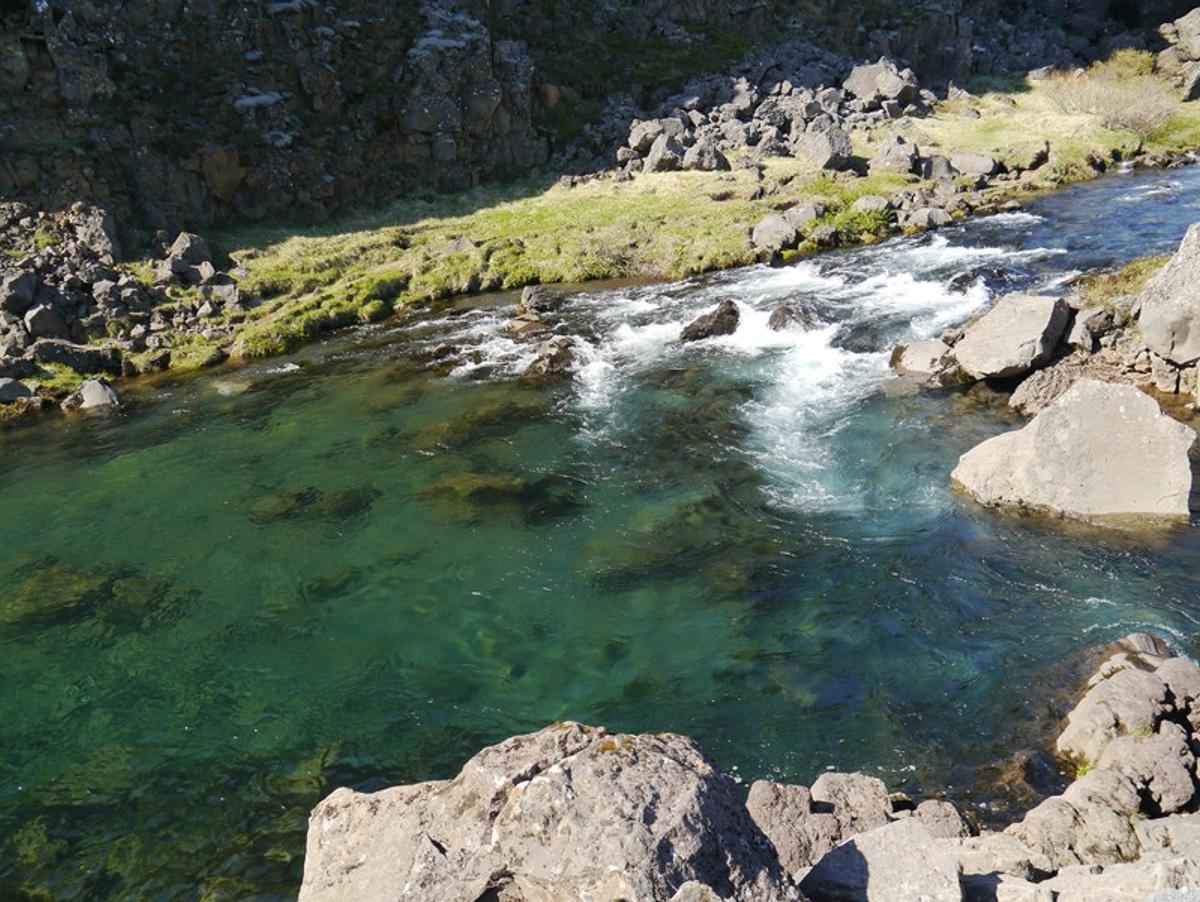
Drekkingarhylur, aptly translated as 'The Drowning Pool,' is a historically significant and deeply poignant natural pool nestled within the Öxará River, flowing through the dramatic landscapes of Þingvellir National Park in South Iceland. The images reveal its striking appearance: crystal-clear, deep green waters that transition into lighter, swirling blue currents where the river flows faster, all framed by rugged, moss-speckled rocks and patches of vibrant green grass on the banks. This serene setting holds a somber chapter of Iceland's early-modern legal history. During the 17th and 18th centuries, Drekkingarhylur was a site of execution where women, condemned for certain offenses, were subjected to drowning. This practice forms a difficult, yet crucial, part of the judicial history interpreted at Þingvellir, a place celebrated for its parliamentary heritage but also grappling with its darker past. Today, Drekkingarhylur is approached as a solemn place of remembrance within the national park. Visitors are encouraged to explore the site using the marked paths and official interpretive signage, which provide context to its grim history. Standing by the clear, cold waters, one is invited to reflect on the profound human stories etched into this landscape, offering a unique opportunity to understand the broader legal and social history preserved within Þingvellir National Park. It’s a powerful testament to the complexities of human justice and natural enduring beauty.
Folklore
Story & Folklore
The sun glints on the emerald surface of Drekkingarhylur, revealing the rocky bed beneath its deceptively tranquil depths. The Öxará River flows briskly, its current churning white foam around ancient stones before settling into this deep, clear pool. One can almost hear the whisper of the wind through the sparse grass on the rocky banks, carrying echoes of a bygone era. Yet, this serene scene belies a profoundly somber past. Known as 'The Drowning Pool,' Drekkingarhylur served as a chilling site of execution during the 17th and 18th centuries. Here, women condemned for specific offenses met their tragic end, their stories now interwoven with the very fabric of Þingvellir's difficult judicial history. Visiting this spot, one is compelled to pause, to reflect on the stark contrast between nature's enduring beauty and humanity's darker chapters.
Did You Know?
Drekkingarhylur directly translates to 'The Drowning Pool,' a name that grimly reflects its past use for executions, primarily of women, in the 17th and 18th centuries.
Culture
Stories & Legends
Icelandic sagas and folklore from this area
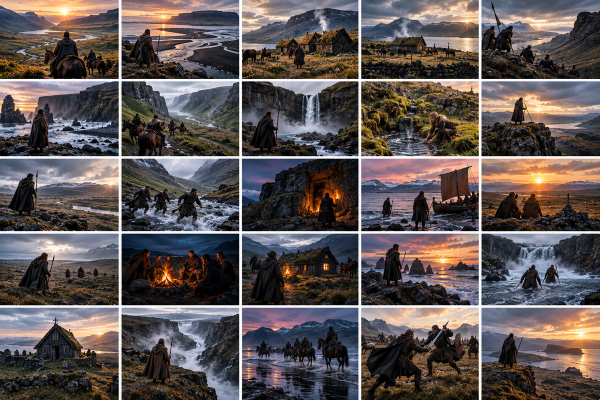
Grettishaf við Sleðaás
Grettishaf við Sleðaás is a historic location in Iceland mentioned in "Grettis saga", one of the ancient Íslendingasögur (Sagas of Icelanders). These medieval narratives preserve the history of Iceland's Viking Age settlement.
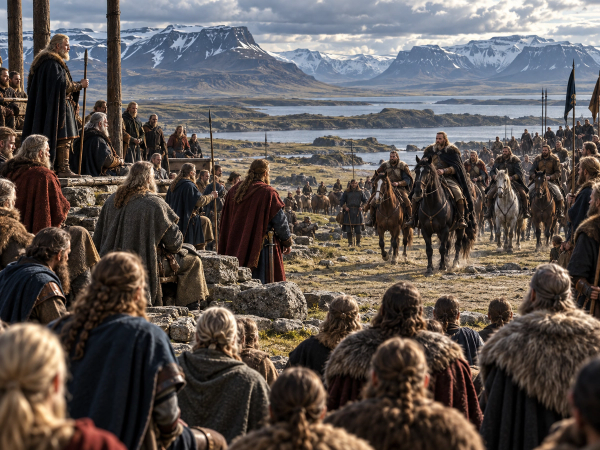
Öxarárhólmi
Öxarárhólmi is a historic location in Iceland mentioned in "Gunnlaugs saga ormstungu", one of the ancient Íslendingasögur (Sagas of Icelanders). These medieval narratives preserve the history of Iceland's Viking Age settlement.
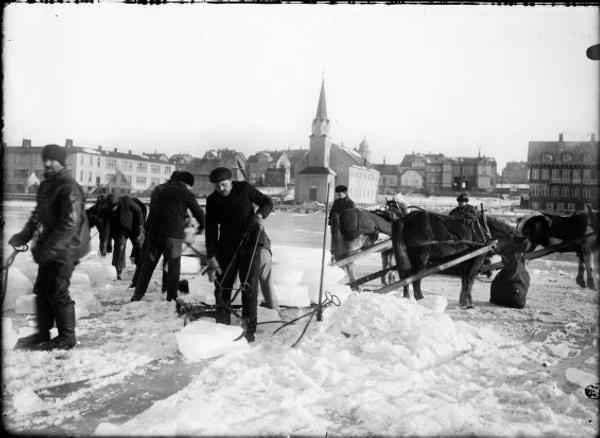
Sleðás
Sleðás is a historic location in Iceland mentioned in "Grettis saga", one of the ancient Íslendingasögur (Sagas of Icelanders). These medieval narratives preserve the history of Iceland's Viking Age settlement.
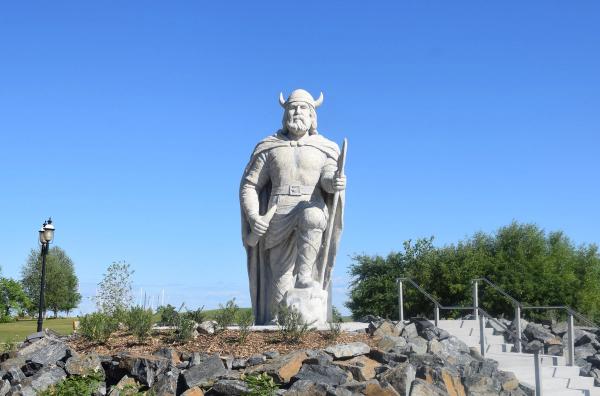
Vellankatla
Vellankatla is a historic location in Iceland mentioned in "Njáls saga", one of the ancient Íslendingasögur (Sagas of Icelanders). These medieval narratives preserve the history of Iceland's Viking Age settlement.
Help
Frequently Asked Questions
Location
Location
Discover
Explore Nearby
Places within 5.0 km
Loading nearby places…
0 places found within 5.0 km
Plan full itinerary →Explore More