south-iceland · Iceland
Drangshlíð & Surroundings
About Drangshlíð & Surroundings
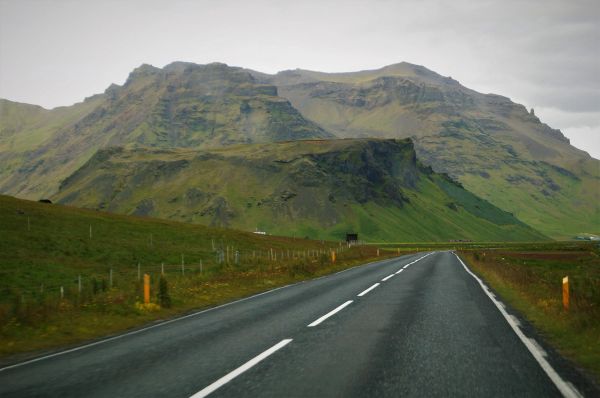
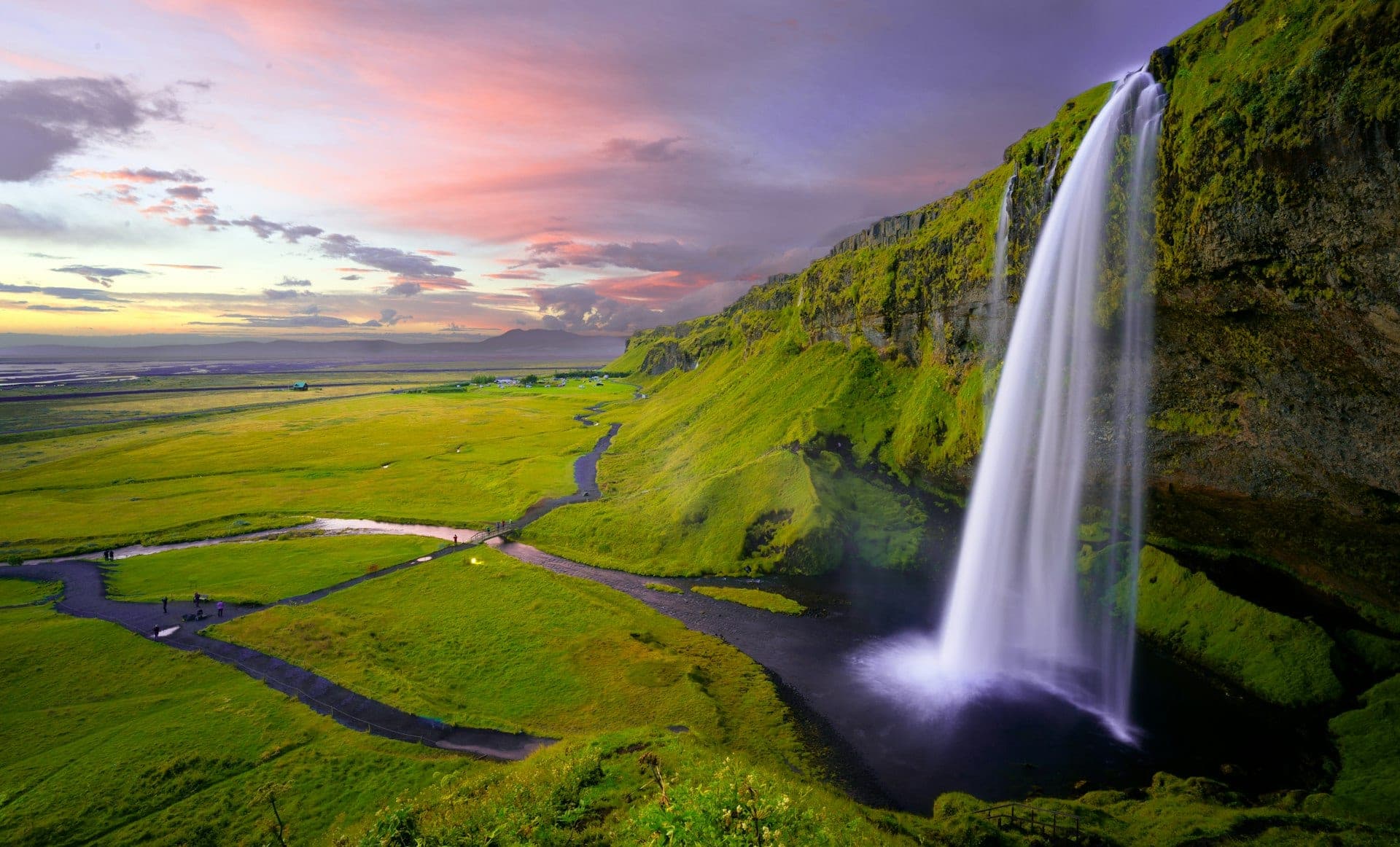
The Drangshlíð area offers some of the most dramatic landscape in the Westfjords, with steep mountain ridges rising above Ísafjarðardjúp. Hiking trails connect remote valleys and summits with panoramic views over Iceland's deepest fjord system.
History & Background
Access is typically from trailheads near Ísafjörður, with routes ranging from day walks to multi-day traverses. The high terrain holds snow late into spring and can be accessed on skis during winter months — the Westfjords are known among experienced Icelandic ski tourers. Wildlife in the area includes Arctic fox, ptarmigan, and various seabirds nesting on the cliff faces. The combination of dramatic topography, wildlife, and near-total absence of other visitors makes this terrain ideal for those seeking a genuine wilderness experience in Iceland.
Did You Know?
- ✔Oldest geological formations in Iceland
- ✔Westfjords dramatic ridgelines
- ✔Accessible from Ísafjörður
- ✔Arctic fox, ptarmigan, seabirds
- ✔Winter ski touring destination
Tours Near Drangshlíð & Surroundings
Best-rated Iceland experiences — book with free cancellation


Why Visit
Explore one of Iceland's most dramatic and least-visited mountain landscapes above the deep fjords of the Westfjords.
Did You Know?
The Westfjords are made of ancient basalt layers — the oldest rock in Iceland — shaped by erosion over millions of years, not recent volcanism.
The Sorcerers of Strandir
The Westfjords, particularly the Strandir coast, have long been associated with Icelandic sorcery and witchcraft. During the 17th century, Iceland experienced its own witch-hunting period, with many of the accused coming from the Westfjords region. Local legends tell of powerful sorcerers who could control the weather, summon fish to their nets, and communicate with the dead through magical staves carved with runic symbols. The Museum of Icelandic Sorcery and Witchcraft in Hólmavík preserves this dark chapter of history. The isolation of the Westfjords, with their steep mountains and treacherous seas, contributed to an atmosphere where belief in magic seemed entirely reasonable.
📖 Stories & Legends
Icelandic sagas and folklore from this area
Hidden Gems Nearby
Off-Peak Visit
Visit Drangshlíð & Surroundings during shoulder season (May or September) for a perfect balance of access and solitude.
You'll experience the site without summer crowds while still having good weather and daylight.
Local Flora
Look for the native Icelandic plants growing in the area — Arctic thyme, moss campion, and various lichens.
These resilient plants have adapted to survive harsh conditions and add subtle beauty to the landscape.
Changing Light
Drangshlíð & Surroundings looks dramatically different depending on the time of day and weather conditions.
Cloud shadows, rain showers, and low-angle sunlight can transform the landscape within minutes — Iceland's famous "four seasons in one day."
Practical Information
Best Time
Summer (June-August) offers 24-hour daylight; winter for Northern Lights
Duration
1-2 hours
Access
Accessible by car on paved or gravel roads. Some require short hikes.
Frequently Asked Questions
When is the best time to visit?▾
Summer (June-August) offers the best weather and longest daylight hours. However, each season offers unique beauty.
Is this place wheelchair accessible?▾
Accessibility varies by location. Major tourist sites often have paved paths, while more remote areas may require hiking.
Do I need to book in advance?▾
Most natural attractions in Iceland are open access and free. No booking is needed unless it involves a guided tour.