
Djúpifjörður
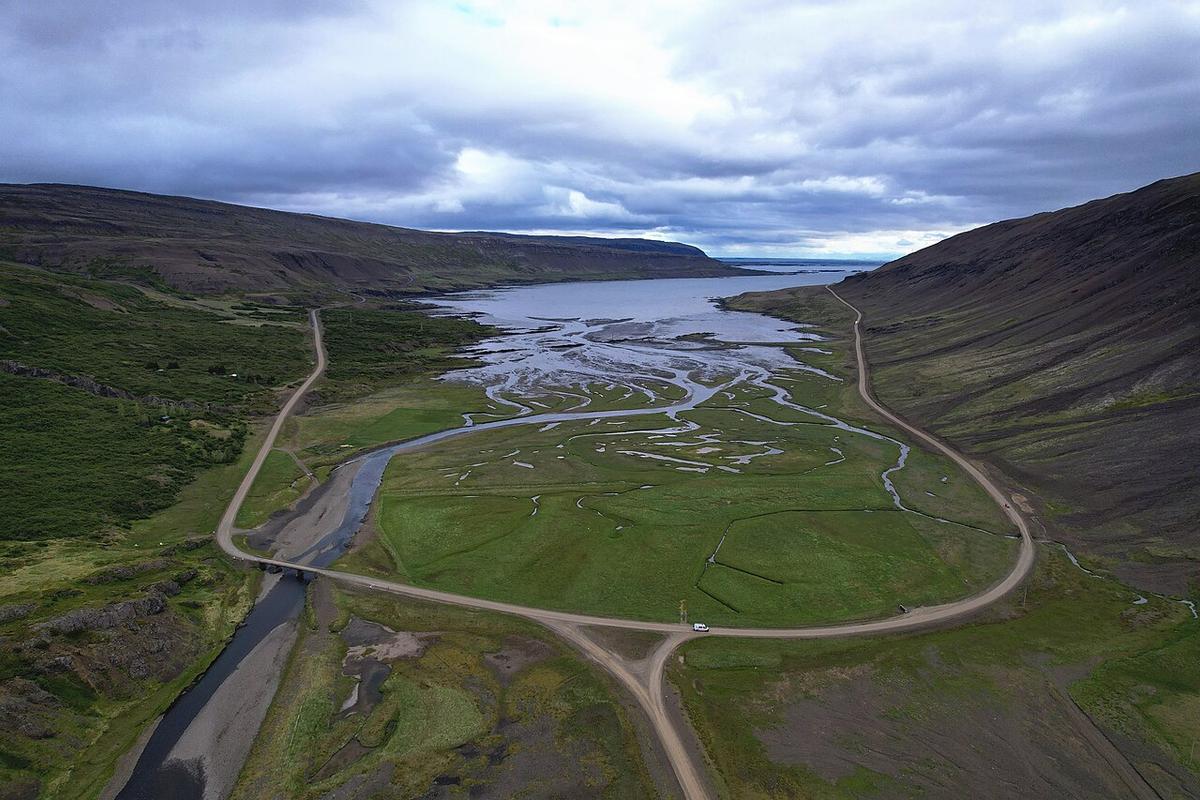
Djúpifjörður reveals a stunning tapestry of winding rivers, lush green valleys, and a tranquil fjord under dramatic skies.
About
About Djúpifjörður
Djúpifjörður reveals a stunning tapestry of winding rivers, lush green valleys, and a tranquil fjord under dramatic skies.
Experience a unique braided river delta meeting a tranquil fjord, rich in birdlife and dramatic scenery.
Tours Near Djúpifjörður
BIRD WATCHING - puffins and more
Westfjords Adventures · 7 hours
CROWN JEWEL; KJARAN'S AVENUE & DYNJANDI - jeep tour
Westfjords Adventures · 9 hours
Hornstrandir Panorama
Borea Adventures · 10 hours
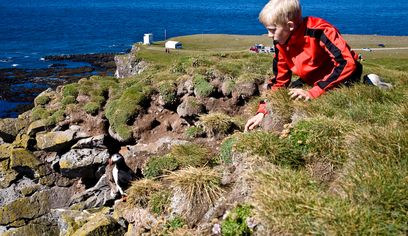
GRAND WEST - Látrabjarg, Rauðasandur & more
Westfjords Adventures · 6 hours
Photos
Gallery
Background
History & Background
Djúpifjörður, meaning 'Deep Fjord,' bears the indelible marks of Iceland's dynamic geological past. While often categorized generally as a 'canyon' due to its glacial carving, its primary visual characteristic is that of a wide, U-shaped glacial valley now flooded by the sea, forming a fjord. Over millennia, the powerful forces of glacial erosion sculpted the surrounding mountainsides, creating the dramatic, steep slopes visible today. Subsequent volcanic activity and ongoing erosion have further refined the landscape. More recently, the ongoing interplay of river systems, tidal movements, and sediment deposition has created the expansive and ecologically vital mudflats, marshlands, and coastal ponds (fjörur, fitjar og sjávartjarnir) that characterize the inner reaches of the fjord. These unique wetlands are not only a testament to continuous geological processes but have also evolved into critical habitats. The area's significance extends beyond geology to its rich biodiversity. These wetlands are known for their abundant birdlife, making Djúpifjörður an important site for ornithology and conservation. The presence of species like the white-tailed eagle highlights the health and untouched nature of this remote Westfjords landscape, offering a glimpse into Iceland's pristine natural heritage.
Nestled within the rugged beauty of the Westfjords, Djúpifjörður presents a landscape of captivating contrasts and ecological significance. Far from being merely a canyon, as previously described, the aerial view reveals a sprawling fjord system characterized by vast mudflats, intricate marshlands, and numerous coastal ponds. These 'fjörur, fitjar og sjávartjarnir' are not only extensive but also incredibly rich in life, supporting a thriving bird population, making it a prime location for birdwatching. The image vividly captures the unique braided river delta, where countless silver streams meander across the vibrant green plains before merging into the serene, grey-blue waters of the fjord. Flanked by imposing, dark-hued hills on either side, the valley creates a dramatic corridor leading towards the open sea. A winding gravel road, clearly visible, traces the contours of the landscape, offering accessible paths for exploration. Visitors to Djúpifjörður can embark on enjoyable walking trails, notably to Hallsteinsnes, following the track along the southern side of the fjord to its outermost point. This journey offers not only stunning panoramic views but also the rare opportunity to spot a white-tailed eagle (haförn) soaring overhead. The striking geological formations, shaped by millennia of glacial forces and volcanic activity, are subtly evident in the textures of the hillsides and the formation of the fjord itself. Djúpifjörður is a testament to Iceland's powerful natural processes, offering a tranquil yet dramatic experience for those seeking untouched wilderness.
Folklore
Story & Folklore
The gravel road unfurls like a ribbon through the vast green valley, guiding you deeper into Djúpifjörður. From above, the landscape unfolds in a breathtaking mosaic: a network of silver rivers, like veins across the land, weaving their way towards the tranquil expanse of the fjord. The sky, a canvas of dramatic clouds, mirrors the deep blues of the water. A lone white vehicle, a tiny speck on the curving path, hints at the journey through this remote beauty. As you descend, the air fills with the subtle symphony of nature – the whisper of wind across the hillsides, the gentle rush of water, and perhaps the distant cry of a bird. This is a place where time slows, where the raw power of Iceland’s geology is softened by lush wetlands, inviting you to pause, breathe, and simply be.
Did You Know?
Djúpifjörður's intricate river delta and expansive wetlands are a result of both glacial erosion and sediment deposition, creating a crucial habitat for migratory birds.
Culture
Stories & Legends
Icelandic sagas and folklore from this area
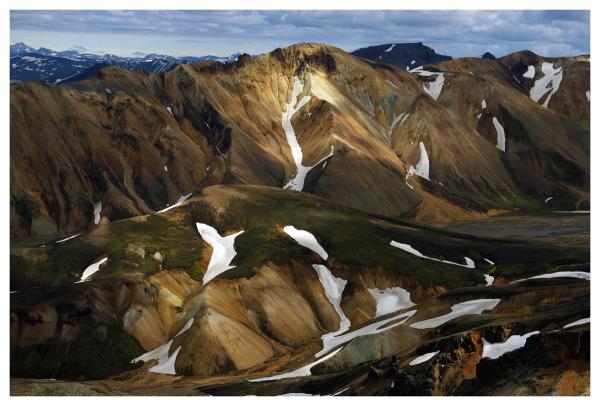
Barmur
Barmur is a historic location in Iceland mentioned in "Gull-Þóris saga", one of the ancient Íslendingasögur (Sagas of Icelanders). These medieval narratives preserve the history of Iceland's Viking Age settlement.
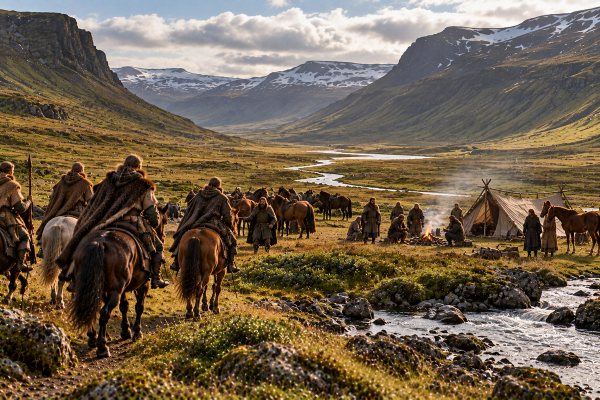
Djúpidalur
Djúpidalur is a historic location in Iceland mentioned in "Gull-Þóris saga", one of the ancient Íslendingasögur (Sagas of Icelanders). These medieval narratives preserve the history of Iceland's Viking Age settlement.
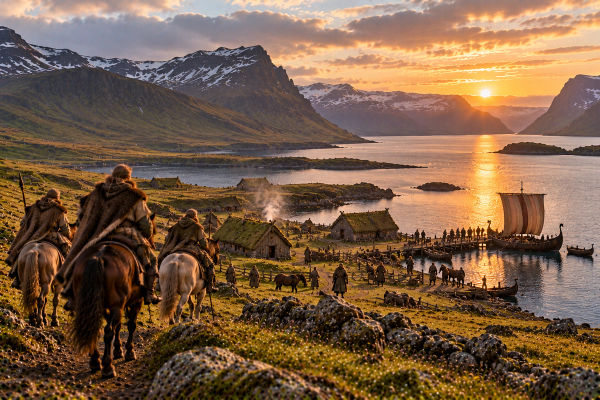
Djúpifjörður
Djúpifjörður is a historic location in Iceland mentioned in "Gull-Þóris saga, Laxdæla saga", one of the ancient Íslendingasögur (Sagas of Icelanders). These medieval narratives preserve the history of Iceland's Viking Age settlement.
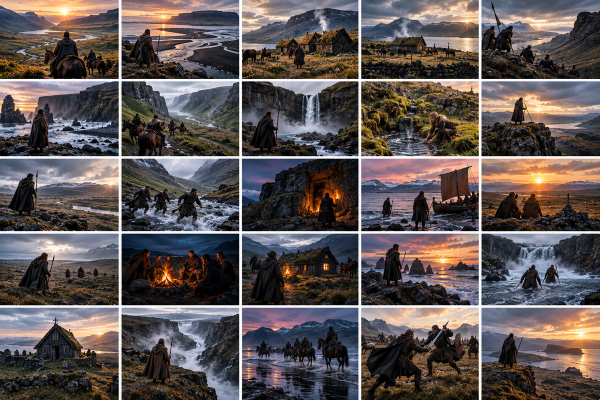
Grenitrésnes
Grenitrésnes is a historic location in Iceland mentioned in "Gull-Þóris saga", one of the ancient Íslendingasögur (Sagas of Icelanders). These medieval narratives preserve the history of Iceland's Viking Age settlement.
Explore
Hidden Gems Nearby
Hallsteinsnes
A scenic headland accessible via a walking track along the southern side of the fjord, offering panoramic views of the fjord and surrounding mountains.
It's special for its remote beauty and potential white-tailed eagle sightings.
Braided River Delta Viewpoint
Find a vantage point higher up the hills surrounding the fjord to fully appreciate the intricate patterns of the rivers merging into the serene waters below.
The aerial perspective reveals the stunning natural artistry of the landscape, perfect for photography.
Coastal Ponds and Wetlands
Explore the diverse coastal ponds and marshlands that are home to a rich variety of birdlife, especially during migratory seasons.
These vibrant ecosystems are crucial for migratory birds and offer unique wildlife viewing opportunities.
Help
Frequently Asked Questions
Location
Location
Discover
Explore Nearby
Places within 5.0 km
Loading nearby places…
0 places found within 5.0 km
Plan full itinerary →Explore More