
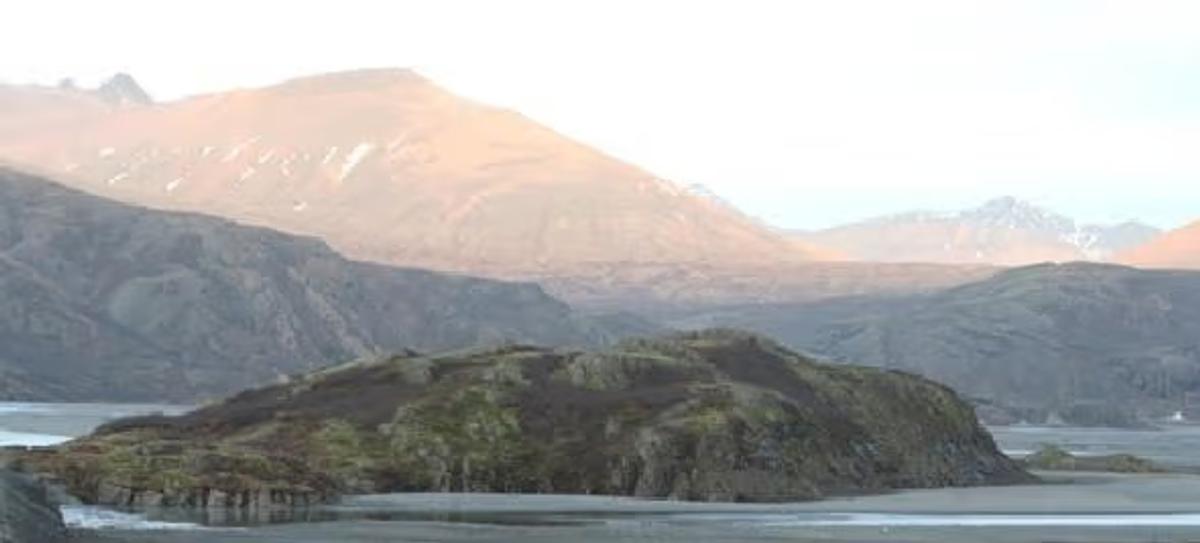
Díma í Lóni
A captivating rocky outcrop, sculpted by the Jökulsá river, standing proud in East Iceland.
At a Glance
Visit time
1 hour
Best Season
Late Spring to Early Autumn (May-September) for best weather and visibility. Morning or late afternoon for optimal light for photography.
Getting There
Accessible via a paved road leading into the Lóni valley, followed by a short walk along a protective embankment from the southwest side. Parking is usually available nearby.
GPS
64.4314, -14.9344
About
About Díma í Lóni
A captivating rocky outcrop, sculpted by the Jökulsá river, standing proud in East Iceland.
Witness a unique island-like rock formation, beautifully carved by a powerful glacial river over millennia.
Photos
Gallery
Background
History & Background
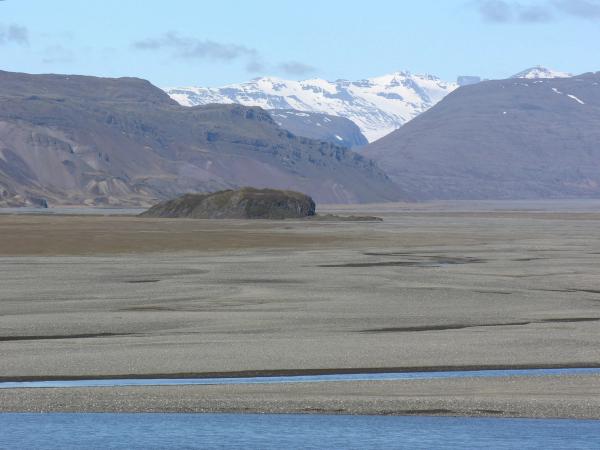
Díma í Lóni holds significant natural and historical importance, officially declared a natural monument in 1975 to protect its unique geological features and diverse vegetation. This rocky hill, situated amidst the expansive river sands of Jökulsá in Lóni, has long been recognized as an iconic landmark in the region. Historically, Díma has functioned as a natural boundary, delineating the lands between the farms of Stafafell and Þórisdalur. Its formation is a compelling narrative of geological processes: it has evidently existed as an island within the Jökulsá river for an extended period, bearing clear evidence of erosion and shaping by the powerful river current. The north side of Díma features a striking vertical cliff, a direct result of the river's persistent flow along its base, while other slopes are also steep, highlighting the river's carving action over millennia. The protective embankment connecting Díma to Dalsfjall from the southwest offers insight into human efforts to interact with and manage this dynamic natural environment, allowing for easier access to this remarkable site.
Díma í Lóni is a truly remarkable geological feature in East Iceland, a testament to the powerful volcanic and tectonic forces that have shaped this dramatic landscape, combined with the relentless erosive power of water. Formed as a rocky hill (klapparhæð) within the vast alluvial plains of the Jökulsá river in Lóni, it has been designated a protected natural monument since 1975, covering an area of 6.4 hectares. The image vividly captures Díma's distinctive form: a rugged, vegetated island-like outcrop rising from the flat riverbed, framed by the majestic, light-bathed mountains in the background. Its unique character stems from its long history as an island in the Jökulsá, bearing clear marks of being scoured and shaped by the river's flow. The northern side features a vertical cliff face where the river actively flows today, showcasing the ongoing geological process. While the western, southern, and eastern slopes are also steep, an accessible path can be found from the southwest, originating from a protective embankment that connects Díma to the nearby Dalsfjall. This makes it approachable for visitors keen to explore its diverse flora and appreciate its stark beauty up close. Díma also serves as a traditional landmark, marking the boundary between the farms of Stafafell and Þórisdalur, further cementing its significance in the local landscape and history.
Folklore
Story & Folklore
As the soft, ethereal light of dawn or dusk bathes the Lóni valley, Díma emerges from the mists, a solitary sentinel amidst the braided channels of the Jökulsá river. Imagine standing on the riverbank, the cool air crisp against your face, the distant mountains glowing with a gentle warmth, their peaks still holding patches of snow. The sound of the river, a constant murmur, tells tales of its relentless work, carving, eroding, and shaping this very landscape. Díma, with its rugged, moss-kissed cliffs and verdant slopes, feels like a living testament to time itself. It whispers stories of ancient floods, of a land constantly being reborn, a geological masterpiece sculpted by water and patience, inviting you to ponder the immense power of nature in this tranquil corner of East Iceland.
Did You Know?
Díma í Lóni was declared a natural monument in 1975, celebrated for its diverse flora and as a geological marvel shaped by the Jökulsá river.
Culture
Stories & Legends
Icelandic sagas and folklore from this area
Explore
Hidden Gems Nearby
Diverse Flora of Díma
Explore the varied plant life clinging to Díma's slopes. Despite its rocky nature, the outcrop hosts a surprising array of mosses, lichens, and hardy Arctic plants.
It's a small botanical haven, showcasing nature's resilience in a harsh environment.
Views from the Embankment
Walk along the protective embankment that connects Díma to Dalsfjall. This vantage point offers unique perspectives of the rock formation, the braided river, and the surrounding Lóni valley.
Offers an accessible and panoramic view of Díma and its dramatic landscape.
Jökulsá River Delta
Observe the intricate patterns of the Jökulsá river as it flows around Díma. The braided river delta is a dynamic landscape, constantly shifting and reshaping with the glacial meltwater.
A prime spot to witness active geological processes and the raw power of a glacial river.
Help
Frequently Asked Questions
Location
Location
Discover
Explore Nearby
Places from our database within 5.0 km — all data from Sanity
Loading nearby places…
0 places found within 5.0 km
Plan full itinerary →Explore More