
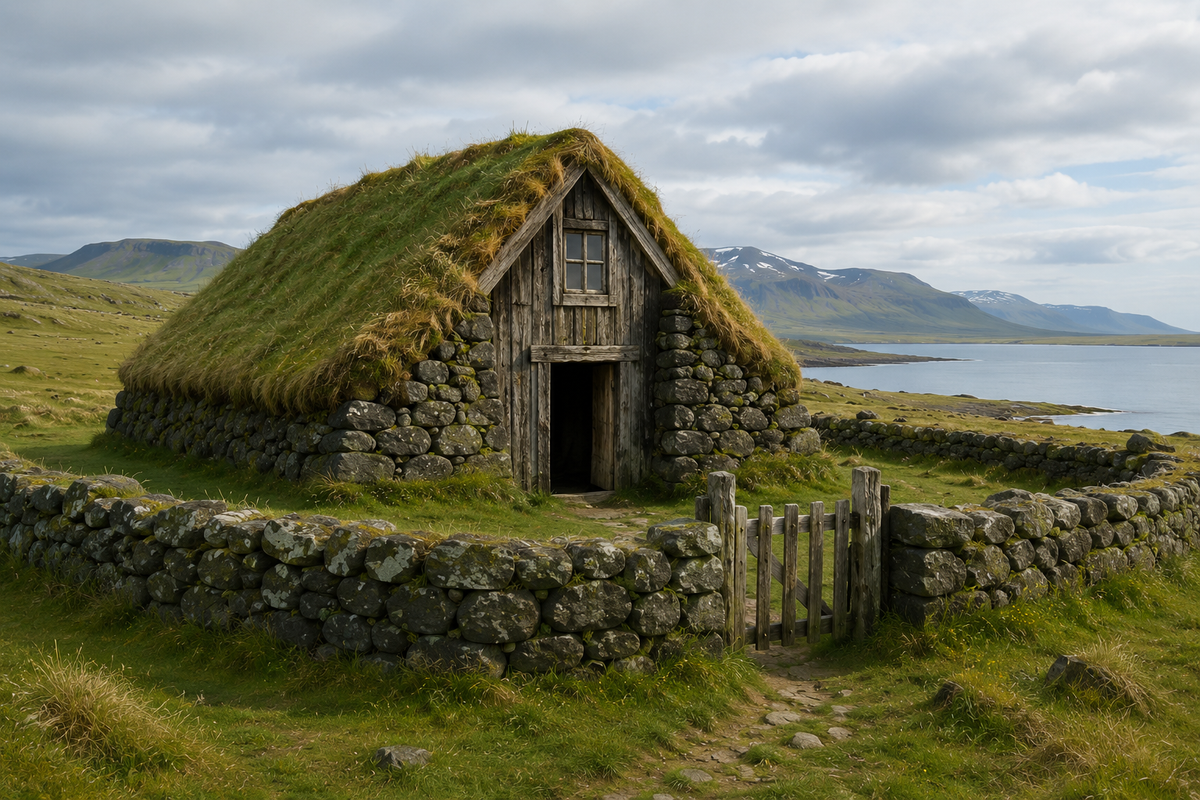
Búð Christophers Heidemanns
Step back in time at this ancient turf house, nestled by the sea amidst dramatic Icelandic landscapes.
At a Glance
Visit time
30-45 minutes to explore the site and enjoy the views.
Best Season
Morning or late afternoon for best light and fewer crowds. Summer (June-August) for mildest weather.
Getting There
Paved road with a short gravel path to the site. Parking available nearby.
GPS
64.2578, -21.1235
About
About Búð Christophers Heidemanns
Step back in time at this ancient turf house, nestled by the sea amidst dramatic Icelandic landscapes.
Experience the unique architecture and rich history of an ancient Icelandic turf house in a stunning coastal setting.
Tours Near Búð Christophers Heidemanns

South Coast Tour - Black Sand Beach, Plane wreck, Skogafoss, Seljalandsfoss guided in Chinese冰岛南岸黑沙滩飞机残骸中文一日团
Magic Iceland Travel · 10 hours 30 minutes
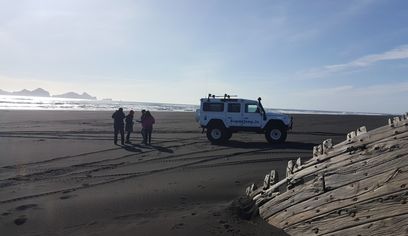
DT 322 Private Superjeep South Coast & Eyjafjallajökull Volcano Sights
Superjeep · 8 hours
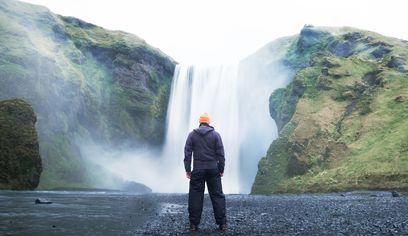
South Coast Waterfalls, Glacier & Black Sand Beach Tour
BusTravel Iceland · 10 hours
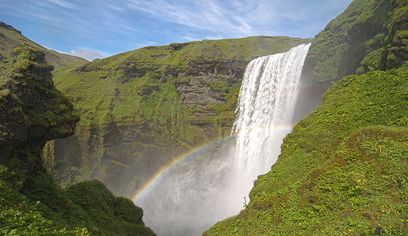
South Coast Small Group Tour: Waterfalls, Glacier & Black Sand Beach
BusTravel Iceland · 10 hours
Photos
Gallery
Background
History & Background
The history of Búð Christophers Heidemanns is deeply intertwined with the saga of Iceland's settlement, dating back over a thousand years to the arrival of the Norse Vikings. This archaeological site provides tangible evidence of early human habitation, showcasing the resourcefulness of those first pioneers. The iconic turf house design, with its stone foundations and insulating grass roof, was a masterful adaptation to Iceland's climate, offering warmth and shelter from the harsh elements. These turf structures were not merely homes but sophisticated examples of sustainable architecture, utilizing locally available materials—stone, wood (often driftwood), and turf—to create durable dwellings. The site stands as a testament to a way of life that persisted for centuries, evolving from simple longhouses to more complex farmsteads. Exploring Búð Christophers Heidemanns offers a direct link to the daily lives, challenges, and enduring spirit of Iceland's ancestors, revealing how they carved out an existence in this rugged yet beautiful land.
Búð Christophers Heidemanns is an archaeological site located in Southwest Iceland, offering a profound connection to the island's earliest human history. The centerpiece is a remarkably preserved or reconstructed turf house, characteristic of traditional Icelandic architecture. Its thick, vibrant green grass roof, visible even from a distance, blends seamlessly with the surrounding verdant hills, while the sturdy stone walls provide a timeless foundation. Visitors can explore the exterior of this ancient dwelling, imagining the lives of the Norse settlers who built and inhabited such structures over a thousand years ago. The site is encircled by a low, moss-covered stone wall with a rustic wooden gate, inviting you into a space where time seems to stand still. From this vantage point, you are treated to breathtaking panoramic views of a tranquil bay, with distant snow-streaked mountains rising majestically under the often dramatic Icelandic sky. While the exact history of *this specific* structure might be debated between an original archaeological find and a later reconstruction for educational purposes, it undeniably represents the architectural and cultural heritage of early Icelandic settlements. It serves as a powerful reminder of the ingenuity required to thrive in this challenging yet beautiful environment. Wear comfortable shoes suitable for walking on uneven terrain and be prepared for changeable weather, even on a sunny day.
Folklore
Story & Folklore
Imagine the relentless winds whipping across the bay, the silence broken only by the cry of gulls. For over a thousand years, this spot, Búð Christophers Heidemanns, has silently watched the seasons turn. Picture the early settlers, their hands calloused, meticulously stacking the dark stones to form the base, then carefully layering the turf, root-side up, to create a living roof. Through the small wooden window, they would have gazed upon the very same mountains, perhaps covered in more snow than today, and the vast expanse of the ocean. This humble dwelling, with its earthy embrace, was a sanctuary, a testament to human resilience and ingenuity in a land both beautiful and unforgiving. It whispers tales of daily struggles, quiet joys, and the enduring spirit of those who first called Iceland home.
Did You Know?
Icelandic turf houses like Búð Christophers Heidemanns were incredibly efficient, using the earth for insulation against harsh winters.
Culture
Stories & Legends
Icelandic sagas and folklore from this area
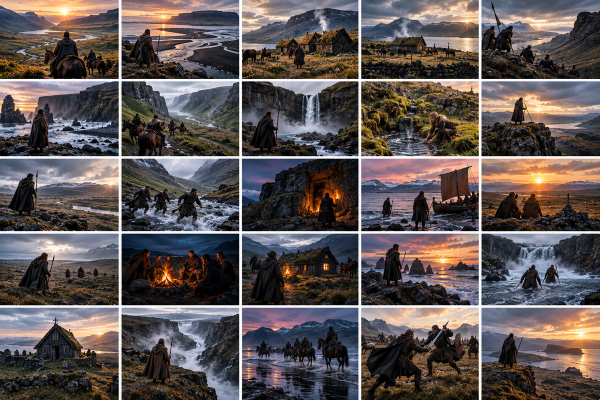
Grettishaf við Sleðaás
Grettishaf við Sleðaás is a historic location in Iceland mentioned in "Grettis saga", one of the ancient Íslendingasögur (Sagas of Icelanders). These medieval narratives preserve the history of Iceland's Viking Age settlement.

Öxarárhólmi
Öxarárhólmi is a historic location in Iceland mentioned in "Gunnlaugs saga ormstungu", one of the ancient Íslendingasögur (Sagas of Icelanders). These medieval narratives preserve the history of Iceland's Viking Age settlement.
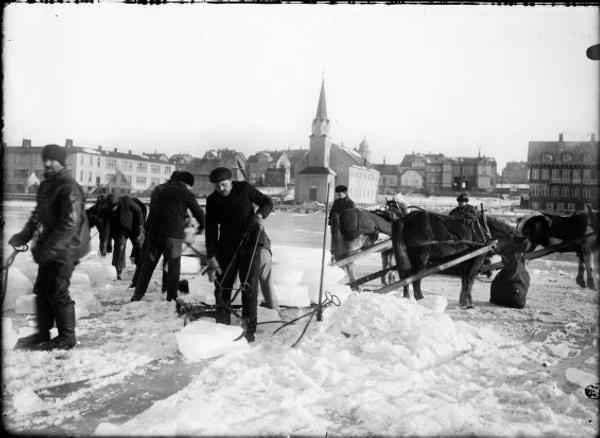
Sleðás
Sleðás is a historic location in Iceland mentioned in "Grettis saga", one of the ancient Íslendingasögur (Sagas of Icelanders). These medieval narratives preserve the history of Iceland's Viking Age settlement.
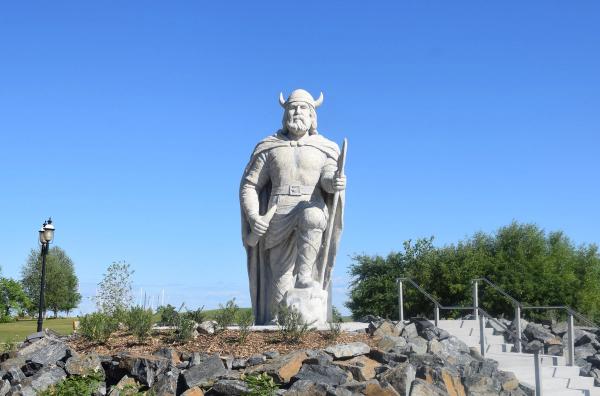
Vellankatla
Vellankatla is a historic location in Iceland mentioned in "Njáls saga", one of the ancient Íslendingasögur (Sagas of Icelanders). These medieval narratives preserve the history of Iceland's Viking Age settlement.
Explore
Hidden Gems Nearby
Coastal Footpath
Follow the path along the coastline from the turf house for serene views and opportunities to spot local birdlife.
Offers breathtaking views and a peaceful connection with Iceland's natural coastal beauty.
Ancient Settlement Remains
Beyond the main turf house, look for subtle depressions and stone outlines that indicate other historical structures in the vicinity.
Provides a broader context of the early settlement and a deeper sense of history.
Help
Frequently Asked Questions
Location
Location
Discover
Explore Nearby
Places within 5.0 km
Loading nearby places…
0 places found within 5.0 km
Plan full itinerary →Explore More