Natural Hot Spring
Brautartunga
West Iceland
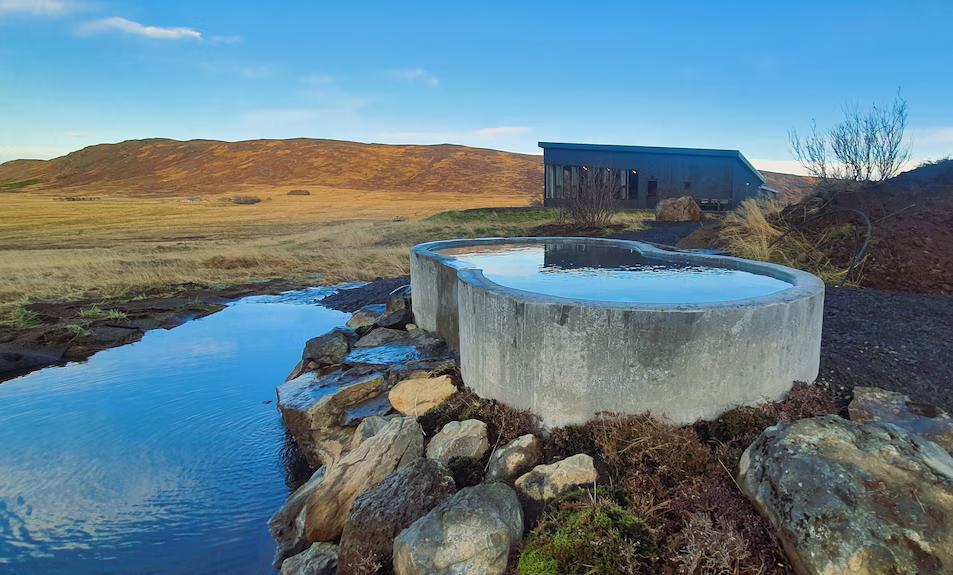
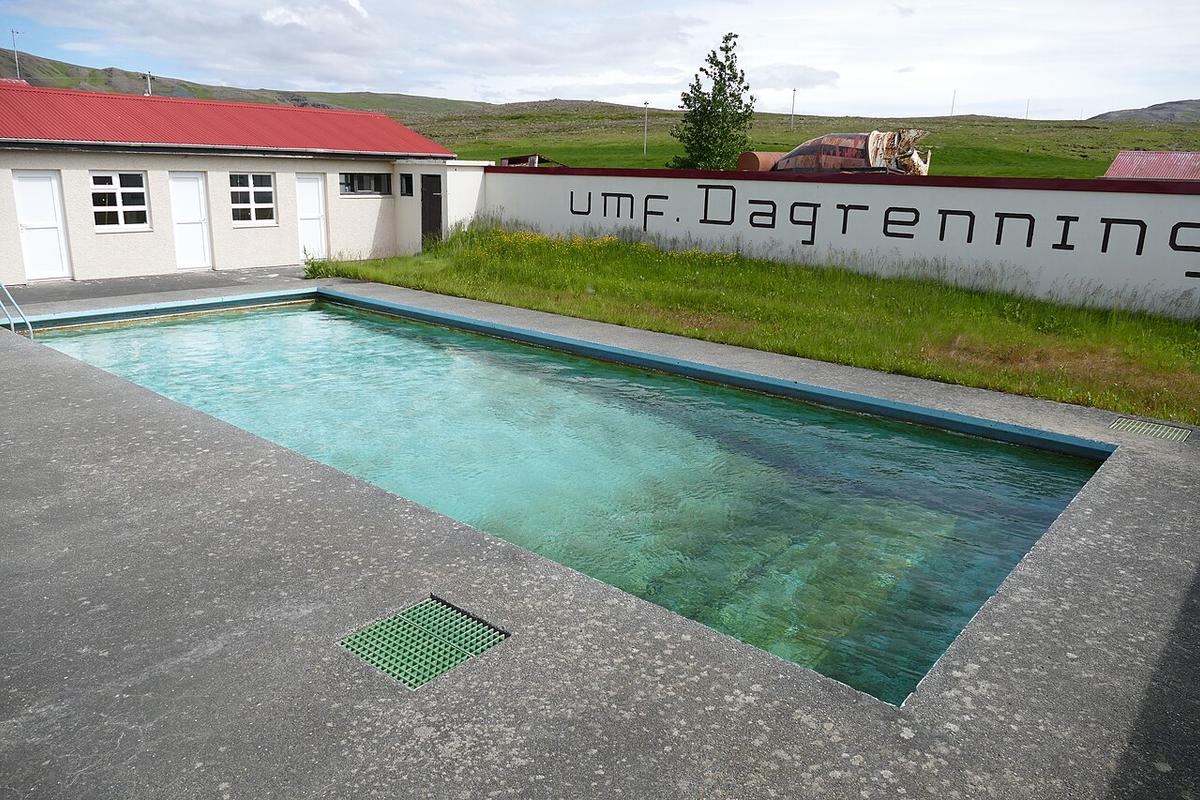
Nestled in Lundarreykjadal, Brautartunga offers a delightful outdoor geothermal swimming pool, built around 1940. This historic 12.5 x 6-meter concrete pool, along with the local community center, is naturally heated by the impressive 95°C Brautartunguhver hot spring. It's a serene spot where locals and travelers can unwind amidst Iceland's stunning natural beauty.
A chance to swim in a small, community-linked outdoor pool heated by a genuine 95°C hot spring, in a quiet farming valley with real documented local history rather than a tourist-built spa.
Story
Brautartunga sits where the Grímsá and Tunguá rivers meet in the long green trough of Lundarreykjadalur, a farming valley in Borgarfjörður, West Iceland, that has been settled since at least the twelfth century — Iceland's Place Names Institute (Örnefnastofnun) records a farmer named Þorgils Skeggjason living here in 1194. The valley's draw for visitors is what lies beneath it: Brautartunguhver, a hot spring reported at around 95°C, which has fed a small outdoor pool on the farm for generations. Local records describe swimming lessons being taught in the stream just below the spring around 1900 and again in 1912–13, before the current concrete pool — roughly 12.5 by 6 metres — was built around 1940. Today the pool sits beside Félagsheimilið Brautartunga, the valley's community hall, still used by locals for gatherings, weddings, and camping. It's a quieter, more workaday kind of hot spring than Iceland's famous lagoons — a reminder that geothermal bathing here has always been as much about daily rural life as tourism.
History
Brautartunga is a documented farm dating back to at least 1194, when — according to the Icelandic Place Names Institute's (Örnefnastofnun) survey of Lundarreykjadalshreppur — a farmer named Þorgils Skeggjason lived here. The farm later passed to the Viðey monastery in 1549 and then to the Skálholt bishopric, before being sold into private hands on 16 February 1791. The adjacent hot spring, Brautartunguhver, is recorded as having been used for swimming instruction in the nearby stream around 1900 and again in 1912–13, until the neighbouring river's flow began eroding the spring and the lessons had to stop; the river was finally diverted away from the spring in 1948, after which the spring itself was 'harnessed' (virkjað) for use — consistent with the current pool having been built around 1940. The farm and its pool now form part of Félagsheimilið Brautartunga, a community hall owned and run by the local youth and sports association (Ungmennafélagið Dagrenningu), used today for family events, weddings, and gatherings.