
Björnssteinn
Witness Björnssteinn, where a powerful 15th-century chieftain met his tragic end, sparking international conflict.
About
About Björnssteinn
Witness Björnssteinn, where a powerful 15th-century chieftain met his tragic end, sparking international conflict.
Explore a site of profound historical drama and Icelandic folklore that shaped international relations.
Tours Near Björnssteinn
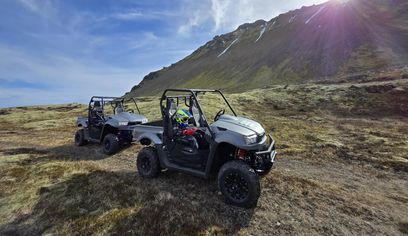
Buggy tours around Snæfellsjökull. 2 hour tour
Glacier Paradise · 2 hours 30 minutes
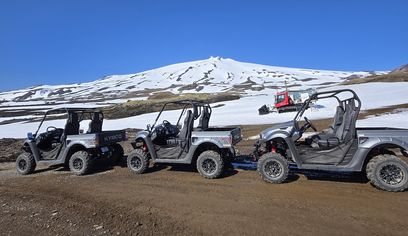
Buggy tours around Snæfellsjökull. 1 hour tour
Glacier Paradise · 1 hour
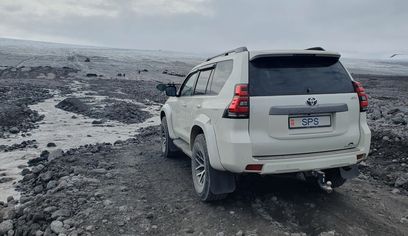
Private Tagestour Westisland ab Reykjavík mit Stopp am Langjökull
SPS Travel · 8 hours
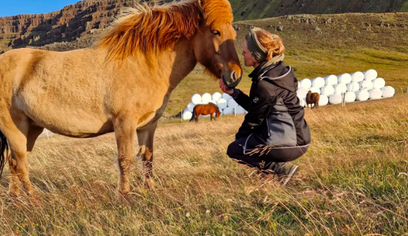
Private Farm Visit & Silver Circle Day Tour in West Iceland
Rest in the West · 12 hours
Photos
Gallery
Background
History & Background
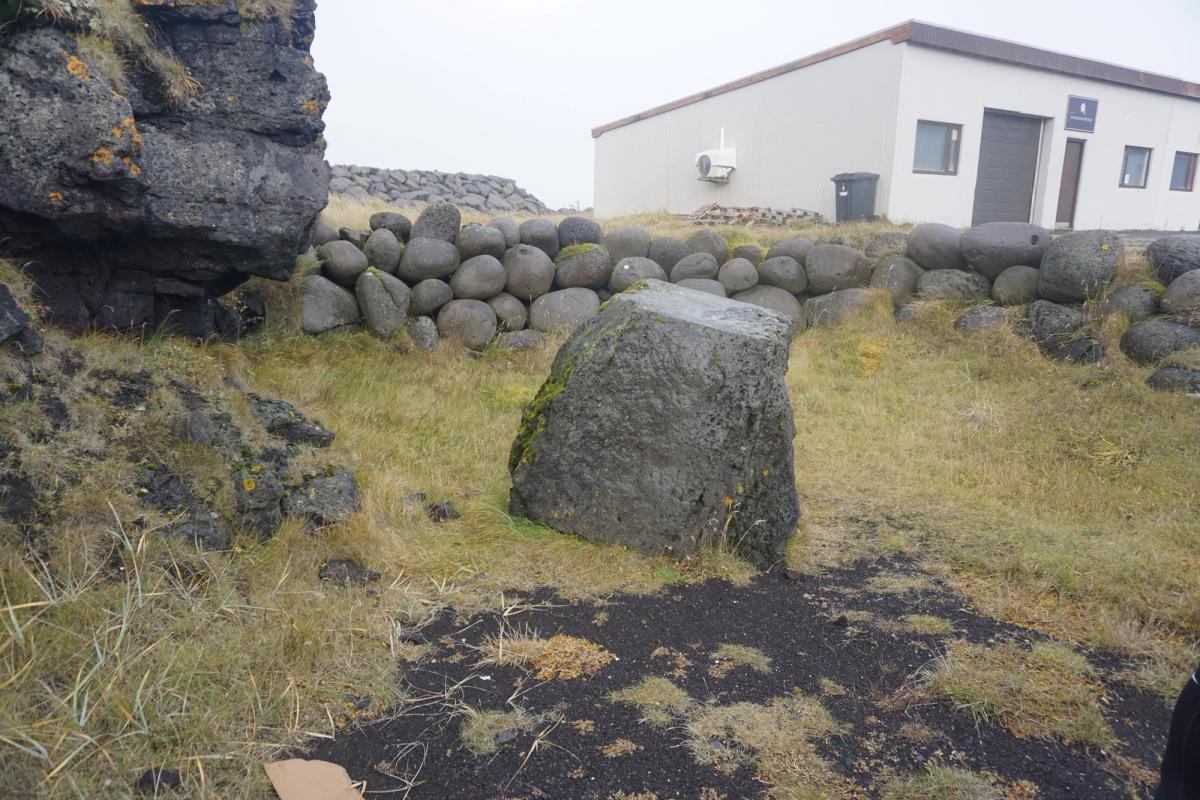
Björnssteinn is a historically significant stone located by the harbor in Rif, a small village on the northern side of the Snæfellsnes peninsula in West Iceland. It marks the site of a profound tragedy in the 15th century involving Björn ríki Þorleifsson, who was considered the greatest chieftain in Iceland during that era. Björn ríki and seven of his men were ambushed and killed by Englishmen in a fierce battle at this very spot. The brutality of the event is underscored by the fact that Björn's body was subsequently dismembered. The stone itself is said to bear marks from this historical event and has been carefully unearthed by locals, making it visible to visitors today as a poignant reminder of the past. The impact of Björn ríki's death extended far beyond Iceland's borders, triggering a five-year war between England and Denmark. His wife, Ólöf ríka, is famously quoted for her resolute words, "eigi skal gráta Björn bónda, heldur safna liði" (Do not weep for farmer Björn, but gather men), which became a well-known proverb in Icelandic, highlighting the deep historical and cultural resonance of this site.
Nestled by the harbor of Rif on the Snæfellsnes peninsula, Björnssteinn is more than just a stone; it's a tangible link to one of Iceland's most dramatic historical events. This site marks the tragic spot where Björn ríki Þorleifsson, a powerful 15th-century chieftain, and seven of his men were ambushed and killed by Englishmen. The image reveals the stone itself, a dark, weathered monolith, resting in a grassy hollow, surrounded by a low, circular wall of smooth, rounded stones, likely built to preserve the site. You can almost feel the weight of history as you stand by the stone, which locals have lovingly rediscovered and unearthed, making its silent story visible once more. The grassy area around the stone, interspersed with patches of dry grass and moss, contrasts with the rugged, dark volcanic rock formations nearby, hinting at the raw natural beauty of the Icelandic landscape that has witnessed centuries of human drama. Beyond the stone wall, a paved road leads past, with a distinctive blue and yellow sign pointing to "Björnssteinn," guiding visitors to this significant landmark. In the background, the gentle slope of a grassy hill is dotted with distant houses, offering a glimpse into the quiet village life that now surrounds this ancient site of conflict. Visiting Björnssteinn offers a unique opportunity to connect with a pivotal moment in Icelandic history, a tale of power, betrayal, and a legacy that resonated across nations.
Folklore
Story & Folklore
In the 15th century, by the harbor of Rif, stood Björn ríki Þorleifsson, Iceland's most influential chieftain. One fateful day, he and seven of his men found themselves in a brutal confrontation with Englishmen. The clash was fierce, but ultimately, Björn fell, his body tragically dismembered. Björnssteinn, the very stone you see today, bears the marks of this gruesome event, a stark reminder of the violence that unfolded here. Björn's death sent shockwaves far beyond Iceland's shores, escalating into a five-year war between England and Denmark. It was his formidable wife, Ólöf ríka, who uttered the legendary words, "Do not weep for farmer Björn, but gather men," a defiant call to action that became a lasting Icelandic proverb, echoing the profound impact of this tragic day.
Did You Know?
The death of Björn ríki Þorleifsson at Björnssteinn was so impactful it triggered a five-year war between England and Denmark, and his wife's defiant words became an Icelandic proverb.
Culture
Stories & Legends
Icelandic sagas and folklore from this area
![Gotalækur (síðar Sveinsstaðir) [ágiskun]](https://cdn.sanity.io/images/ecaxei08/production/7397f0c4c8c03da13650bbe12ad44851aa988c15-1536x1024.png?w=600&auto=format&q=75)
Gotalækur (síðar Sveinsstaðir) [ágiskun]
Gotalækur (síðar Sveinsstaðir) [ágiskun] is a historic location in Iceland mentioned in "Víglundar saga", one of the ancient Íslendingasögur (Sagas of Icelanders). These medieval narratives preserve the history of Iceland's Viking Age settlement.
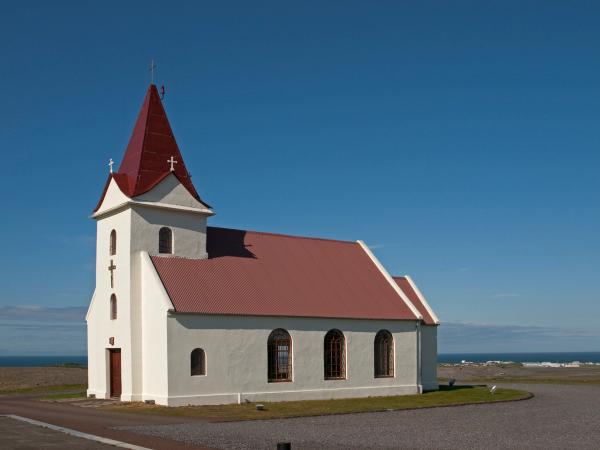
Ingjaldshóll
Ingjaldshóll: A historical site linked to a pivotal saga of conflict and settlement.
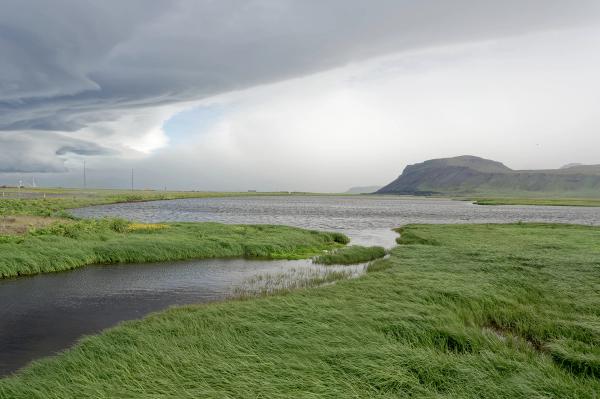
Rif
Rif is a historic location in Iceland mentioned in "Eyrbyggja saga", one of the ancient Íslendingasögur (Sagas of Icelanders). These medieval narratives preserve the history of Iceland's Viking Age settlement.
Explore
Hidden Gems Nearby
Rif Harbor
Just steps from Björnssteinn, Rif Harbor is a charming small fishing port with a tranquil atmosphere, reflecting the village's long maritime history.
It's the very harbor mentioned in the historical accounts, providing context to Björn ríki's presence in the area.
Rif Village
Explore the small, historic village of Rif, offering a glimpse into traditional Icelandic coastal life with its quiet streets and local charm.
The village itself offers a peaceful contrast to the dramatic history of Björnssteinn and a sense of local culture.
Help
Frequently Asked Questions
Location
Location
Discover
Explore Nearby
Places within 5.0 km
Loading nearby places…
0 places found within 5.0 km
Plan full itinerary →Explore More