
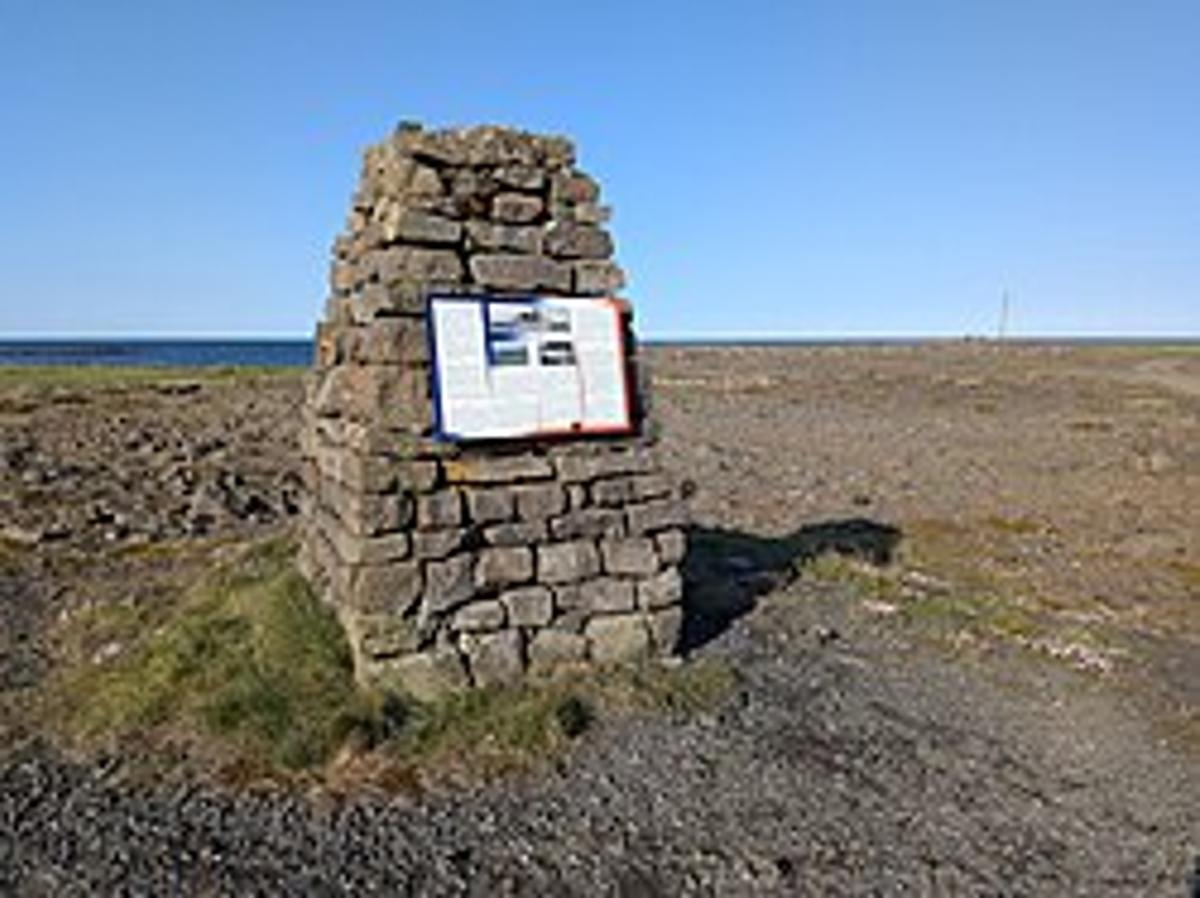
Básendar
Básendar is the ruin site of an important former fishing and trading post south of Stafnes, devastated by a major coastal flood in January 1799.
At a Glance
Visit time
1-2 hours for the short loop, 2-3 hours for the longer loop to Stafnes.
Best Season
Late Spring to Early Autumn (May-September) for best weather; accessible year-round with proper gear.
Getting There
Accessible by paved road to Gálgakletta parking, followed by a mix of trail, unmarked path, and paved road for the hike.
GPS
63.9670, -22.7333
About
About Básendar
Básendar is the ruin site of an important former fishing and trading post south of Stafnes, devastated by a major coastal flood in January 1799.
For the atmospheric ruins of a trading settlement whose history ended dramatically in the great coastal flood of 1799.
Tours Near Básendar
DT 322 Private Superjeep South Coast & Eyjafjallajökull Volcano Sights
Superjeep · 8 hours
South Coast Waterfalls, Glacier & Black Sand Beach Tour
BusTravel Iceland · 10 hours
South Coast Small Group Tour: Waterfalls, Glacier & Black Sand Beach
BusTravel Iceland · 10 hours
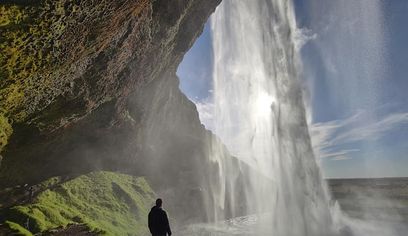
South Coast Waterfalls, Black Beach and Glacier Adventure | Small Group Day Tour
Nicetravel · 11 hours
Photos
Gallery
Background
History & Background
For centuries, Básendar stood as a prominent trading and fishing settlement on the Reykjanes peninsula. Its strategic location made it a coveted outpost, leading to intense competition among European powers. In 1532, this rivalry erupted into the 'Battle of Básendar,' where English and German merchants clashed for dominance, with the Germans ultimately prevailing. The site also boasts a fascinating connection to Icelandic literary history; the celebrated hymn writer Hallgrímur Pétursson, after being expelled from a Danish school, worked at the Básendar trading post upon his return to Iceland in 1637. Following the Reformation, the Danish monarchy assumed control of the fishing operations, integrating Básendar into its royal trade monopoly. However, the settlement's long history came to an abrupt and catastrophic end on January 9, 1799. On this fateful day, the 'Básendaflóð' – the greatest recorded tsunami to strike the Icelandic coast – devastated the area, sweeping away every single building and structure. The event was so impactful that the flood itself was named after the site, a permanent reminder of nature's formidable power and Básendar's tragic demise.
Básendar was a long-used fishing and trading place on the exposed coast south of Stafnes. During the era of the Danish trade monopoly, its trading district included Hafnir, Stafnes and Miðnes. During the night of 9 January 1799, an exceptionally severe coastal flood struck Básendar and swept away most buildings, effectively ending the settlement. Ruins and old stone walls remain in the landscape. Visit Reykjanes directs visitors from a marked parking area near Stafnes on foot to the site. The coast is exposed, so dress for wind and weather and stay clear of surf in rough conditions.
Did You Know?
Básendar was famously the site of the 'Battle of Básendar' in 1532 between English and German merchants, and later hosted Iceland's revered hymn writer, Hallgrímur Pétursson.
Explore
Hidden Gems Nearby
Gálgakletta parking
The starting point for hikes to Básendar, offering views and marking the beginning of your historical journey.
It's the convenient access point and sets the stage for the desolate coastal landscape.
Stafnes
Extend your hike to Stafnes, a nearby headland that offers further coastal views and a longer, invigorating walk.
Provides an opportunity for a longer, more scenic hike with additional coastal vistas.
Básendaflóð Commemorative Cairn
The stone cairn visible in the image serves as a poignant memorial to the devastating 1799 tsunami that wiped out the settlement.
It's the tangible symbol of Básendar's dramatic history and the focal point of the site.
Help
Frequently Asked Questions
Location
Location
Discover
Explore Nearby
Places from our database within 5.0 km — all data from Sanity
Loading nearby places…
0 places found within 5.0 km
Plan full itinerary →Explore More