
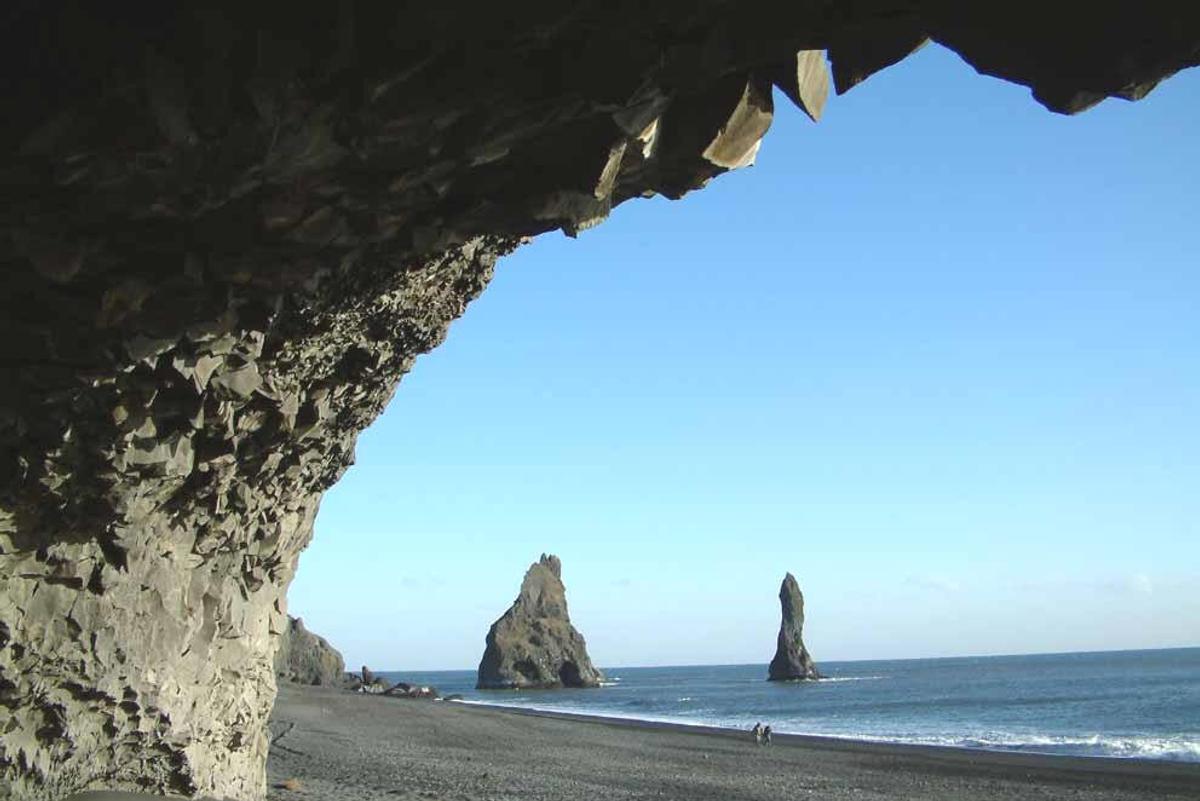
Bæjarhellir (Baðstofuhellir)
Historic man-made cave in Reynishverfi with traces of long-term human use.
About
About Bæjarhellir (Baðstofuhellir)
Historic man-made cave in Reynishverfi with traces of long-term human use.
Discover a unique blend of Icelandic history, geology, and folklore with stunning coastal views.
Tours Near Bæjarhellir (Baðstofuhellir)

South Coast Tour - Black Sand Beach, Plane wreck, Skogafoss, Seljalandsfoss guided in Chinese冰岛南岸黑沙滩飞机残骸中文一日团
Magic Iceland Travel · 10 hours 30 minutes
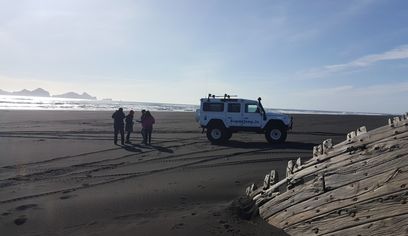
DT 322 Private Superjeep South Coast & Eyjafjallajökull Volcano Sights
Superjeep · 8 hours
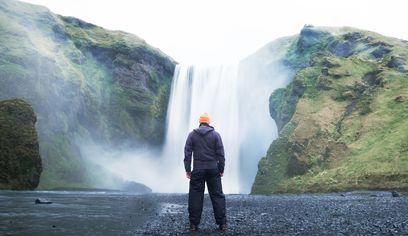
South Coast Waterfalls, Glacier & Black Sand Beach Tour
BusTravel Iceland · 10 hours
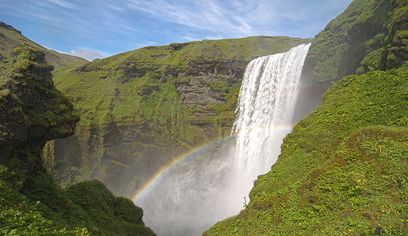
South Coast Small Group Tour: Waterfalls, Glacier & Black Sand Beach
BusTravel Iceland · 10 hours
Photos
Gallery
Background
History & Background
Bæjarhellir (Baðstofuhellir) holds a deep historical significance, primarily as a long-used human dwelling. Its name, literally 'Farm Cave,' suggests its historical role, and indeed, the soft tuff walls bear numerous marks of former inhabitants, including engravings, letters, and carved nooks and shelves that speak of a time when people lived within its shelter. The cave's most famous resident was Jón Steingrímsson, later known as the 'Fire Priest,' who spent a winter here in 1755. Assigned lodging in the cave by a local farmer, Jón, along with his brother, made it their home, even enlarging it. It was during this period, as a major eruption of the Katla volcano (Kötlugos) commenced, that Jón began learning German. This experience sparked his profound interest in volcanoes and their history, an interest that would culminate in his crucial role during the devastating Laki eruption years later. His detailed accounts of the Katla eruption, building upon reports by District Commissioner Jón Sigurðsson, became invaluable historical records. In more recent times, the cave also served a more humble purpose, being utilized as a sheep shelter.
Bæjarhellir, or Baðstofuhellir, is one of the historic man-made caves of the Mýrdalur area. Its soft rock was enlarged and adapted by people, leaving carvings and worked surfaces that document repeated use. Traditions connect the cave with local residents and clergy, but specific dramatic claims about events or occupants should be treated cautiously unless supported by documented sources.
Folklore
Story & Folklore
Imagine the chill wind whipping off the North Atlantic, as Jón Steingrímsson, a young man with an insatiable curiosity, settled into Bæjarhellir for a winter in 1755. The cave, with its rugged entrance offering a glimpse of the vast, churning ocean and the imposing Reynisdrangar, became his sanctuary. While the world outside was consumed by the dramatic eruption of Katla, filling the air with ash and the ground with tremors, Jón diligently studied German within these stone walls. It was here, amidst the rumbling earth and the stark beauty of the black sand beach, that his passion for geology and volcanic history ignited. He would later become known as the 'Fire Priest' for his heroic efforts during the Laki eruption, but it was in this humble cave, illuminated by the flickering light of a lamp and the distant glow of a volcano, that his remarkable journey truly began, forever linking Bæjarhellir to Iceland's fiery heart.
Did You Know?
The 'Fire Priest,' Jón Steingrímsson, began his renowned studies of volcanoes while living in Bæjarhellir during a major eruption!
Culture
Stories & Legends
Icelandic sagas and folklore from this area
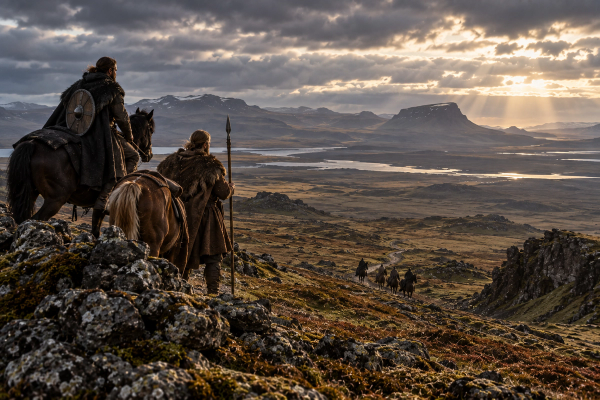
Arnarstakksheiði
Arnarstakksheiði is a windswept highland location connected to Njáls saga, one of Iceland’s most famous medieval sagas, where the open heaths, rough tracks, and distant mountain views evoke the journeys, alliances, and conflicts that shaped life during the Saga Age, making the landscape itself part of the story and offering a powerful link between the dramatic events preserved in the written tradition and the real Icelandic terrain through which people once travelled.
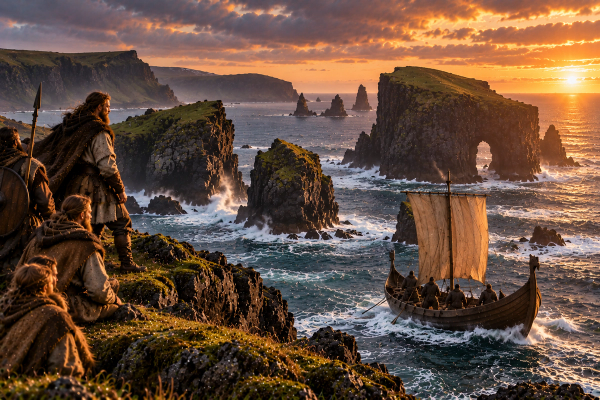
Dyrhólmar
Dyrhólmar is a historic location in Iceland mentioned in "Grettis saga", one of the ancient Íslendingasögur (Sagas of Icelanders). These medieval narratives preserve the history of Iceland's Viking Age settlement.
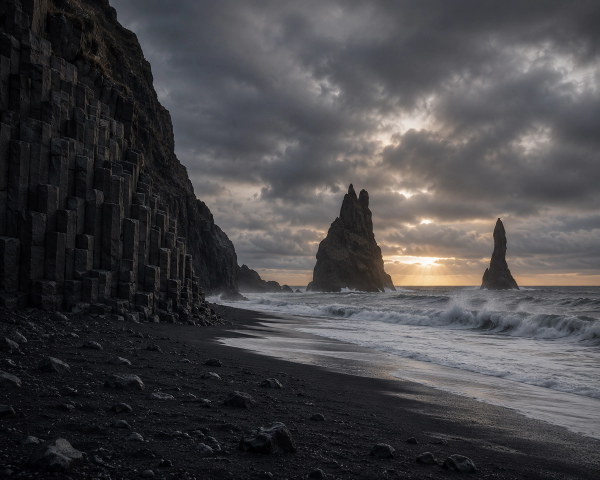
Reynisdrangar – Trolls Turned to Stone
The Reynisdrangar sea stacks off the coast of Iceland are said to be petrified trolls caught by the rising sun.
Explore
Hidden Gems Nearby
Fornar ristur og fangamörk
Innan í Bæjarhelli er hægt að finna margvísleg merki um fyrri íbúa, þar á meðal fangamörk, letur og ristur á veggjum. Þessi fornu skilaboð gefa innsýn í líf þeirra sem leituðu skjóls hér.
Þessar ristur eru beint samband við fortíðina og sýna langa sögu hellisins sem mannabústaðar.
Útskorin hólf og skápar
Hellirinn hefur einnig verið mótaður af mönnum, með skápum og hólfum sem voru höggvin í mjúka móbergsveggina. Þetta sýnir að hellirinn var skipulagður bústaður, ekki bara einfalt skjól.
Þessi manngerðu mannvirki sýna uppfinningasemi og aðlögunarhæfni fyrri íbúa að náttúrulegu umhverfi.
Útsýni yfir Reynisdranga
Frá opnun Bæjarhellis er stórkostlegt útsýni yfir hina heimsfrægu Reynisdranga sjávarbjörg og svörtu sandströndina. Þessi tignarlegu klettastólpar rísa upp úr Atlantshafinu og bæta við stórbrotna fegurð staðarins.
Útsýnið frá hellinum er sannarlega táknrænt fyrir íslenska strandlengju og býður upp á óviðjafnanlega ljósmyndatækifæri.
Help
Frequently Asked Questions
Location
Location
Discover
Explore Nearby
Places within 5.0 km
Loading nearby places…
0 places found within 5.0 km
Plan full itinerary →Explore More