
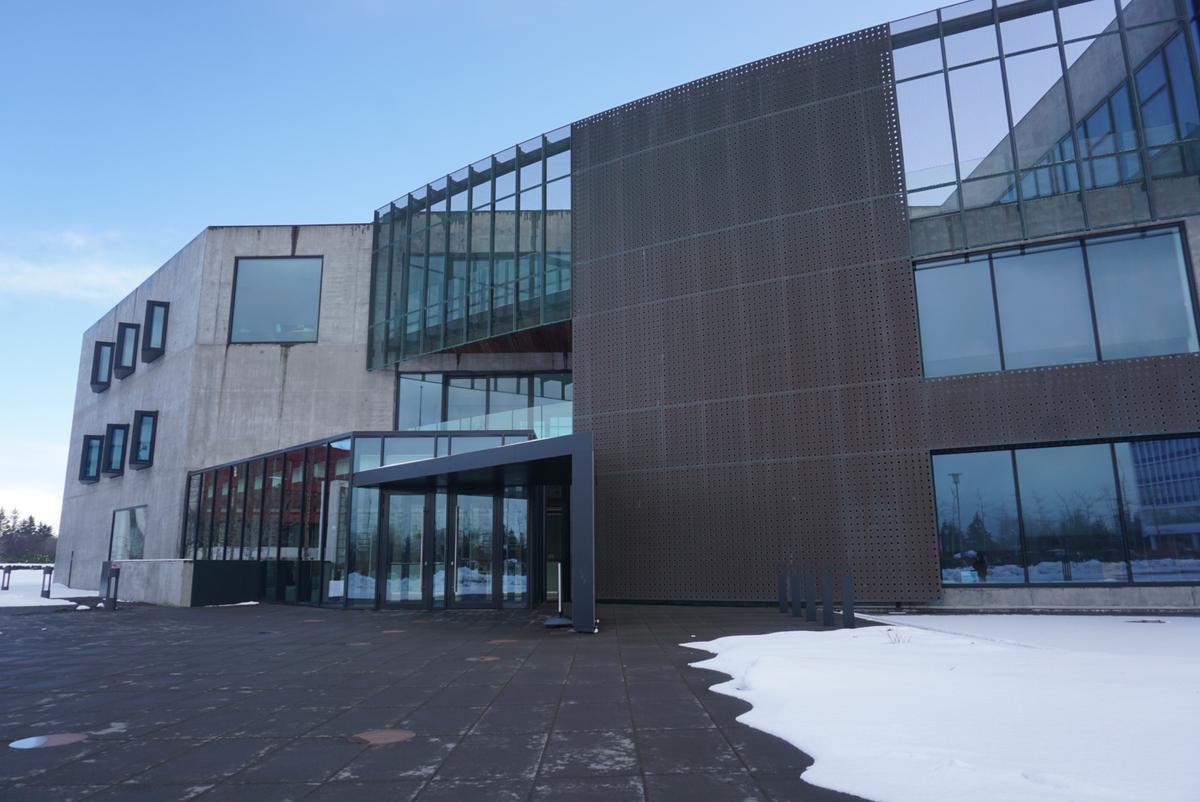
Árnasafn Árni Magnússon Institute for Icelandic Studies
Explore Iceland's priceless medieval manuscripts and linguistic legacy at Árni Magnússon Institute.
About
About Árnasafn Árni Magnússon Institute for Icelandic Studies
Explore Iceland's priceless medieval manuscripts and linguistic legacy at Árni Magnússon Institute.
Witness the foundational texts of Icelandic language and history.
Tours Near Árnasafn Árni Magnússon Institute for Icelandic Studies
Private City Tour
TripZig ehf. · 4 hours

Flóki Whisky Distillery Tour & Tasting in Reykjavík
Eimverk Distillery · 1 hour 15 minutes
Icelandic New Year's Eve Walking Tour
Your Friend in Reykjavik · 3 hours

Private Reykjavik LGBTQ+ City Walk
Your Friend in Reykjavik · 3 hours
Photos
Gallery
Background
History & Background
The Árni Magnússon Institute for Icelandic Studies is a pivotal institution dedicated to the preservation and study of Icelandic language and medieval manuscripts. Its establishment reflects a national commitment to safeguarding the unique cultural heritage embedded in these ancient texts.
The Árni Magnússon Institute for Icelandic Studies, known in Icelandic as Stofnun Árna Magnússonar í íslenskum fræðum, is a cornerstone of Icelandic cultural preservation. Located in the capital region, this museum category institution plays a crucial role in safeguarding the nation's profound linguistic and literary legacy. Visitors have the opportunity to discover Iceland’s medieval manuscripts, which are central to understanding the country's history, sagas, and the development of its unique language. The institute serves as a repository of knowledge, ensuring that these irreplaceable documents and the rich heritage they represent are preserved and studied for generations to come.
Folklore
Story & Folklore
Deep within Iceland's capital region lies the Árni Magnússon Institute, a beacon for the nation's rich heritage. It serves as the guardian of invaluable medieval manuscripts, silently telling tales of ancient sagas and the evolution of the unique Icelandic language. Visiting here is to step into a continuum of knowledge, connecting directly with the literary and linguistic foundations that define Iceland.
Did You Know?
The institute's full Icelandic name is Stofnun Árna Magnússonar í íslenskum fræðum, often shortened to Á.
Culture
Stories & Legends
Icelandic sagas and folklore from this area
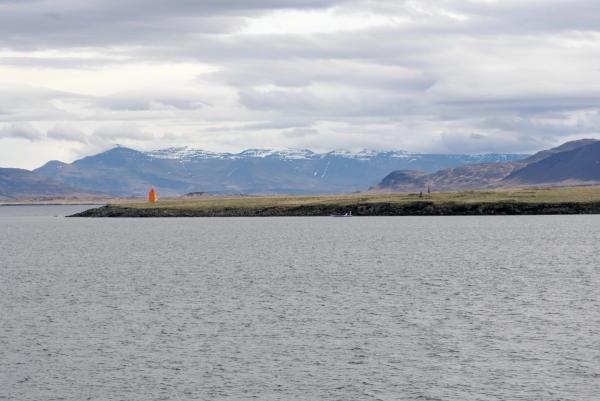
Engey
Engey is a historic location in Iceland mentioned in "Njáls saga", one of the ancient Íslendingasögur (Sagas of Icelanders). These medieval narratives preserve the history of Iceland's Viking Age settlement.

Reykjavík
Reykjavík is a historic location in Iceland mentioned in "Harðar saga og Hólmverja", one of the ancient Íslendingasögur (Sagas of Icelanders). These medieval narratives preserve the history of Iceland's Viking Age settlement.
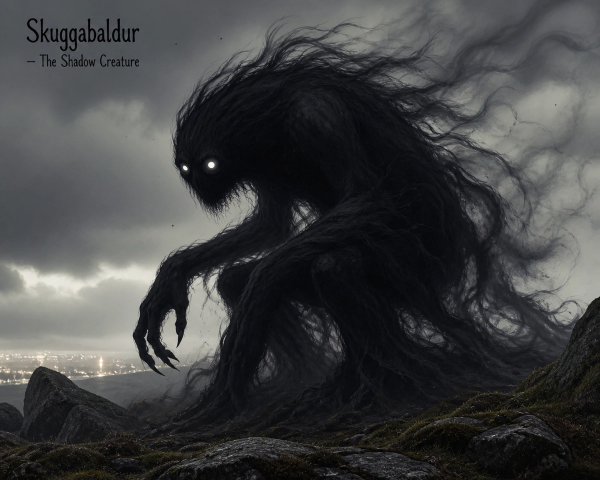
Skuggabaldur – The Shadow Creature
Skuggabaldur: A phantom dog guarding forgotten paths.
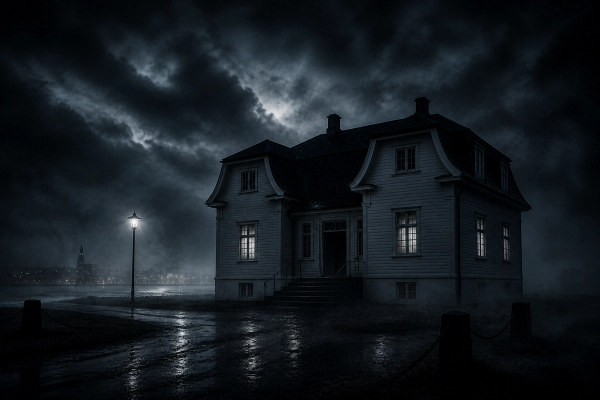
Höfði House – Reykjavík's Haunted Mansion
Höfði House: Reykjavík's historic mansion with a chilling paranormal past.
Explore
Hidden Gems Nearby
UNESCO Manuscript Collection
Part of the Árni Magnússon manuscript collection is listed on UNESCO’s Memory of the World Register because of its global cultural importance.
See manuscripts recognized as world cultural heritage.
Medieval Vellum Writing Tradition
Exhibitions explain how Icelandic scribes created manuscripts using vellum, ink, and traditional writing techniques.
Learn how sagas were recorded before printing existed.
Icelandic Language Preservation Research
The institute studies how the Icelandic language has remained close to Old Norse for centuries.
Understand why modern Icelanders can still read medieval texts.
Help
Frequently Asked Questions
Location
Location
Discover
Explore Nearby
Places from our database within 5.0 km — all data from Sanity
Loading nearby places…
0 places found within 5.0 km
Plan full itinerary →Explore More