Historic Farmstead · Capital Region, Iceland
Korpúlfsstaðir
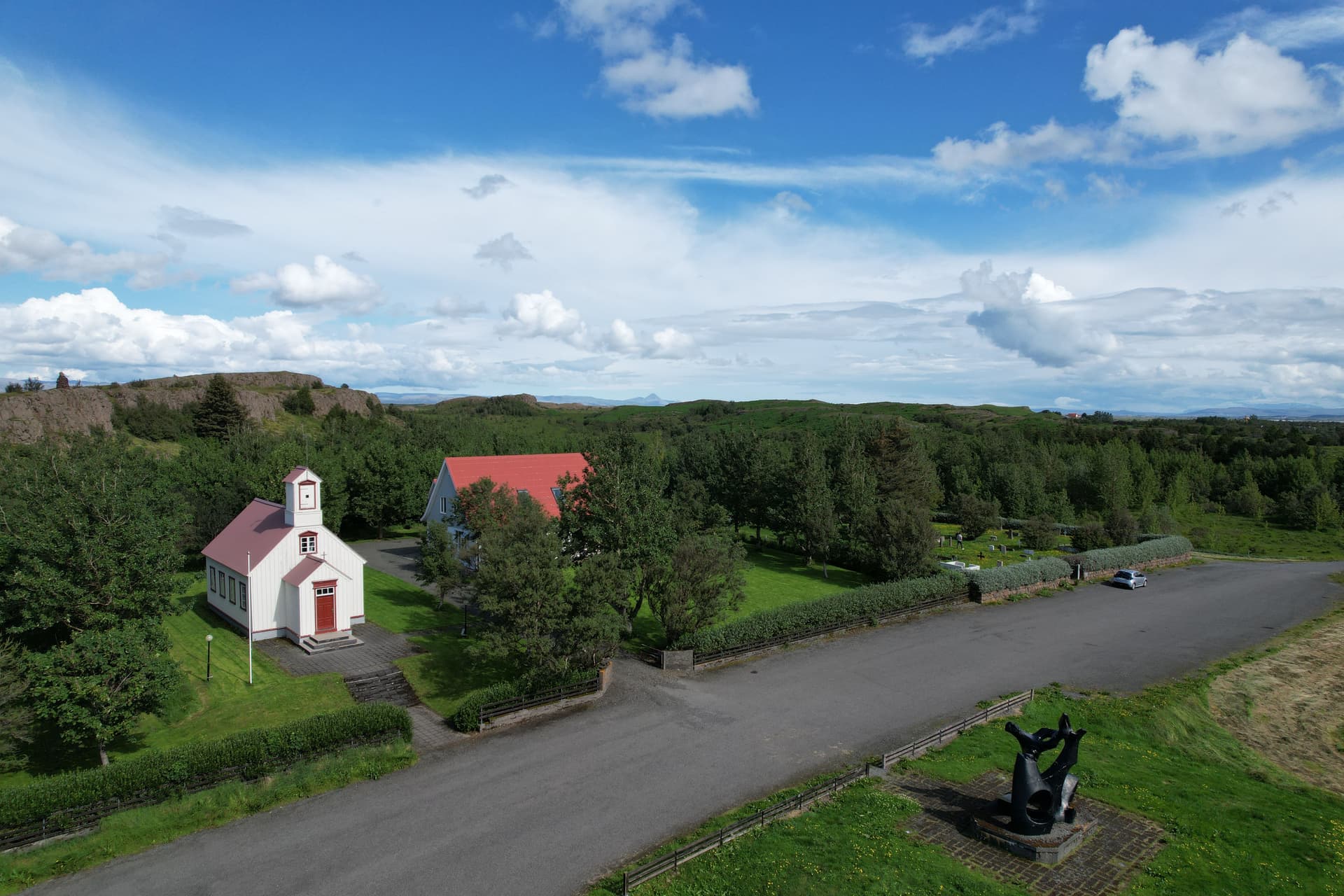
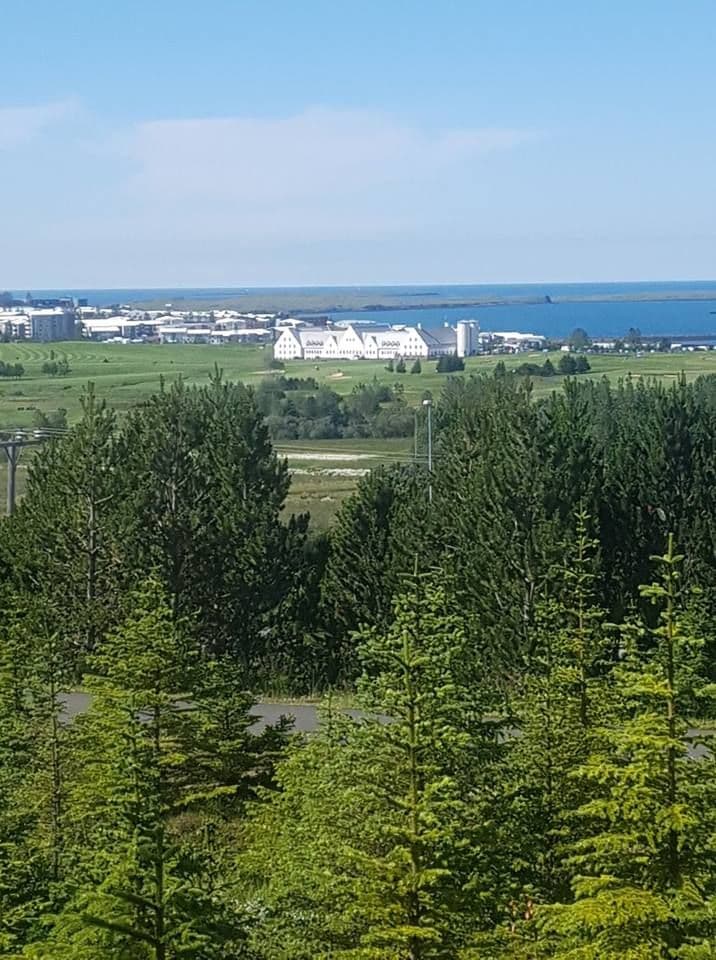
Korpúlfsstaðir is a former dairy estate within Reykjavík built in the 1920s by businessman Thor Jensen and now used as artist studios.
Photo: Berserkur · CC BY-SA 4.0
More Photos
Overview
Korpúlfsstaðir is a large early-20th-century farm estate within Reykjavík's city limits, built by Thor Jensen as a model dairy operation. The main buildings, visible in 1930s photographs of the working farm, survive today and now house artist studios and workshops rather than agricultural operations.
History
The name Korpúlfsstaðir refers to a farmer named Korpúlfur mentioned in Kjalnesinga Saga. The land belonged to Viðey Monastery in the Middle Ages before passing to the Danish crown. Businessman Thor Jensen bought the farm in 1922 from Einar Benediktsson and built the present buildings along with an advanced dairy operation, which wound down following Iceland's 1934 milk sales law. The City of Reykjavík purchased the property from Jensen in 1942 and later used the buildings for storage, including city-owned paintings. A fire on 18 January 1969 caused significant damage. Between 1999 and 2005 the site housed Korpuskóli, a school; the section it occupied is now used as artist studios and art-teaching facilities.
What Remains Today
Surviving 1930s photographs, including one of a hay truck ascending a barn ramp, show the estate's main farm buildings in full operation. The same structures stand today, adapted for use as artist studios rather than agriculture.
Visiting & Preservation
Access Not Yet Verified
Korpúlfsstaðir sits within Reykjavík's built-up Grafarvogur district, and its buildings are now used as artist studios and workshops. Public access to this site has not been independently verified. Do not assume a trail, parking, or landowner permission exists.
Preservation Notice
No formal archaeological protection status is recorded for this site in the dataset used.
Location
Why Visit
Korpúlfsstaðir traces an unusually well-documented arc from a saga-era farm name, through a 1920s dairy operation built by one of Iceland's most prominent early industrialists, to its current life as an artist community — a case of a historic farm remaining in continuous use rather than falling to ruin.
Did You Know?
After a 1969 fire damaged the estate, its buildings were used for years to store paintings from the City of Reykjavík's art collection.
Guided Tours
Explore Capital Region on a Guided Tour
See the wider region with a guided tour — many pass near historic sites like this one.