
The Outlaw
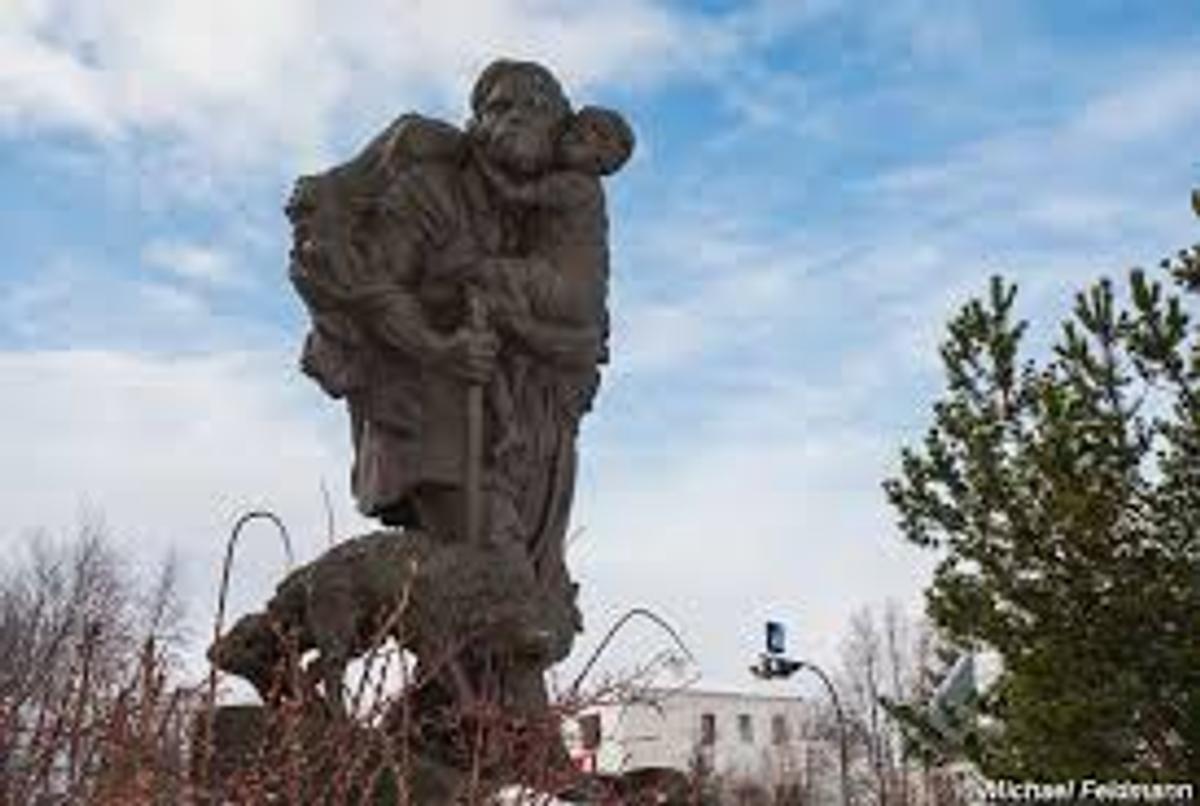
Striking sculpture of Útilegumaðurinn, evoking Iceland's outlaw legends, a tribute to resilience.
About
About The Outlaw
Striking sculpture of Útilegumaðurinn, evoking Iceland's outlaw legends, a tribute to resilience.
To witness a powerful artistic tribute to Icelandic folklore and the enduring spirit of the outlaws.
Tours Near The Outlaw
Lake Mývatn Shore Excursion from Akureyri Port
Iceland Horizon - Saga Travel - GeoIceland · 6 hours
Northern Lights Classic Tour from Akureyri
Imagine Iceland Travel · 2 hours 30 minutes

Northern Lights Photography tour from Akureyri
Iceland Horizon - Saga Travel - GeoIceland · 3 hours
Dettifoss Waterfall, Ásbyrgi and Lake Mývatn - Shore Excursion from Húsavík
BusTravel Iceland · 5 hours 30 minutes
Photos
Photo Gallery
Background
History & Background
The concept of the 'útilegumaður' (outlaw) is deeply embedded in Icelandic history and folklore, dating back to the Viking Age and the Commonwealth era. Individuals declared outlaws were banished from society, stripped of their legal rights, and forced to survive in the remote and harsh wilderness, often the uninhabited highlands. These figures, whether criminals, victims of injustice, or simply those who fell afoul of the law, became legendary for their incredible resilience, resourcefulness, and ability to endure in extreme conditions. Tales of their ingenuity in finding shelter, food, and evading capture are a significant part of Icelandic oral tradition and written sagas. This specific artwork, 'Útilegumaðurinn,' visually embodies these powerful historical and legendary narratives. The sculpture's depiction of a man, child, and sheep resonates with the struggles and isolation often associated with outlaw life, where family and basic sustenance were paramount. It serves as a modern artistic interpretation that connects contemporary visitors to these ancient tales of survival and human spirit against the backdrop of Iceland's dramatic landscapes. However, it is pertinent to note that despite the artwork's evocative nature and its clear connection to Icelandic folklore, extensive historical documentation or specific details regarding the creation, artist, or exact dedication of *this particular sculpture at the given coordinates* are not widely available in established Icelandic historical, geographical, or cultural databases. Visitors are encouraged to appreciate it as a contemporary artistic homage to a timeless Icelandic theme, even as its specific genesis remains less formally recorded.
Útilegumaðurinn, or 'The Outlaw,' is a powerful public artwork located in North Iceland, offering a visual gateway into the country's rich tapestry of folklore and history. The sculpture itself is a striking representation: a robust, bearded man, clad in simple garments, carries a young child on his shoulders, while a sheep stands faithfully at his feet. He grips a staff, suggesting a long journey or a life lived on the move. The artwork's dark, earthy tones and sturdy composition evoke a sense of strength, hardship, and perseverance against the elements. This artwork is a poignant symbol of the 'útilegumenn' – the outlaws of Icelandic history and legend. These individuals, banished from society for various reasons, were condemned to live in the unforgiving wilderness, often the central highlands. Their stories, like that of Fjalla-Eyvindur, are tales of incredible resilience, cunning, and survival against the stark Icelandic nature. The statue captures this essence, portraying not just an individual, but the very spirit of endurance that defines these legendary figures. While the artwork is undeniably compelling and visually rich, it's important to note that specific historical documentation or a detailed narrative about *this particular sculpture* at the provided coordinates (65.6772651, -18.0928936) is not readily found in prominent Icelandic historical, geographical, or cultural databases. This suggests it may be a more contemporary installation or one whose specific origins are yet to be widely recorded in official sources. Nonetheless, its presence enriches the cultural landscape of North Iceland, inviting visitors to reflect on the deep historical roots of outlaw tales and the enduring human spirit.
Folklore
Story & Folklore
In the heart of North Iceland stands Útilegumaðurinn, a bronze testament to a poignant chapter of Icelandic history and folklore. This powerful sculpture portrays a man, burdened yet resolute, carrying a child, with a sheep—perhaps his only companion or source of sustenance—by his side. It immediately brings to mind the sagas of Icelandic outlaws, individuals banished to the desolate highlands, forced to survive against incredible odds. They were often accused of crimes, sometimes unjustly, and their tales are woven into the fabric of the nation's identity, speaking of survival, isolation, and the sheer force of will required to endure. While the exact origins and specific narrative behind *this particular artwork* remain elusive in documented Icelandic sources, its presence serves as a vivid reminder of these legendary figures and the dramatic landscapes that shaped their lives. It invites contemplation on themes of exile, family, and the raw struggle for existence in the wild Icelandic nature.
Did You Know?
Icelandic outlaws, or 'útilegumenn,' were often figures of legend, forced into the harsh wilderness and surviving through wit and resilience, a theme powerfully evoked by this statue.
Culture
Stories & Legends
Icelandic sagas and folklore from this area
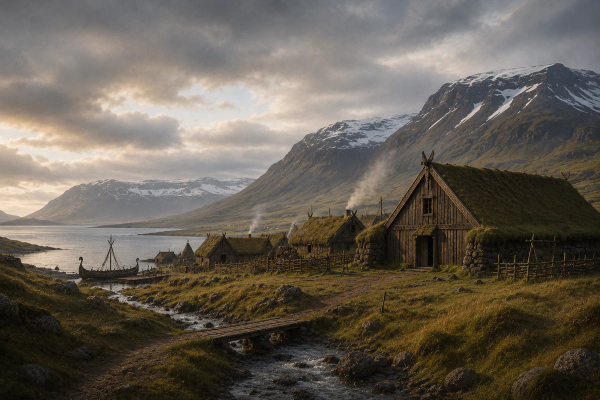
Akureyri
Akureyri is a historic location in Iceland mentioned in "Ljósvetninga saga", one of the ancient Íslendingasögur (Sagas of Icelanders). These medieval narratives preserve the history of Iceland's Viking Age settlement.
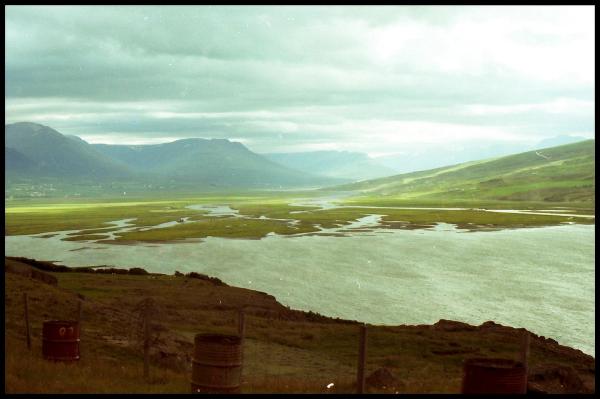
Kaupangur
Kaupangur: A Viking marketplace where sagas of trade and conflict unfold.
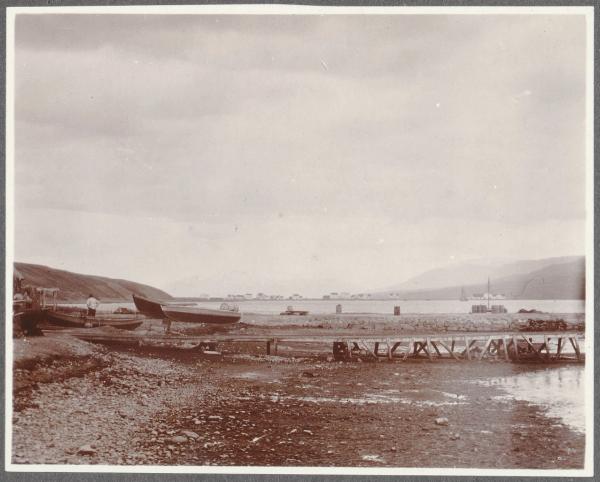
Oddeyri
Oddeyri is a historic location in Iceland mentioned in "Ljósvetninga saga, Víga-Glúms saga", one of the ancient Íslendingasögur (Sagas of Icelanders). These medieval narratives preserve the history of Iceland's Viking Age settlement.
Sigluvík
Sigluvík is a historic location in Iceland mentioned in "Víga-Glúms saga", one of the ancient Íslendingasögur (Sagas of Icelanders). These medieval narratives preserve the history of Iceland's Viking Age settlement.
Help
Frequently Asked Questions
Location
Location
Discover
Explore Nearby
Places from our database within 5.0 km — all data from Sanity
Loading nearby places…
0 places found within 5.0 km
Plan full itinerary →Explore More