
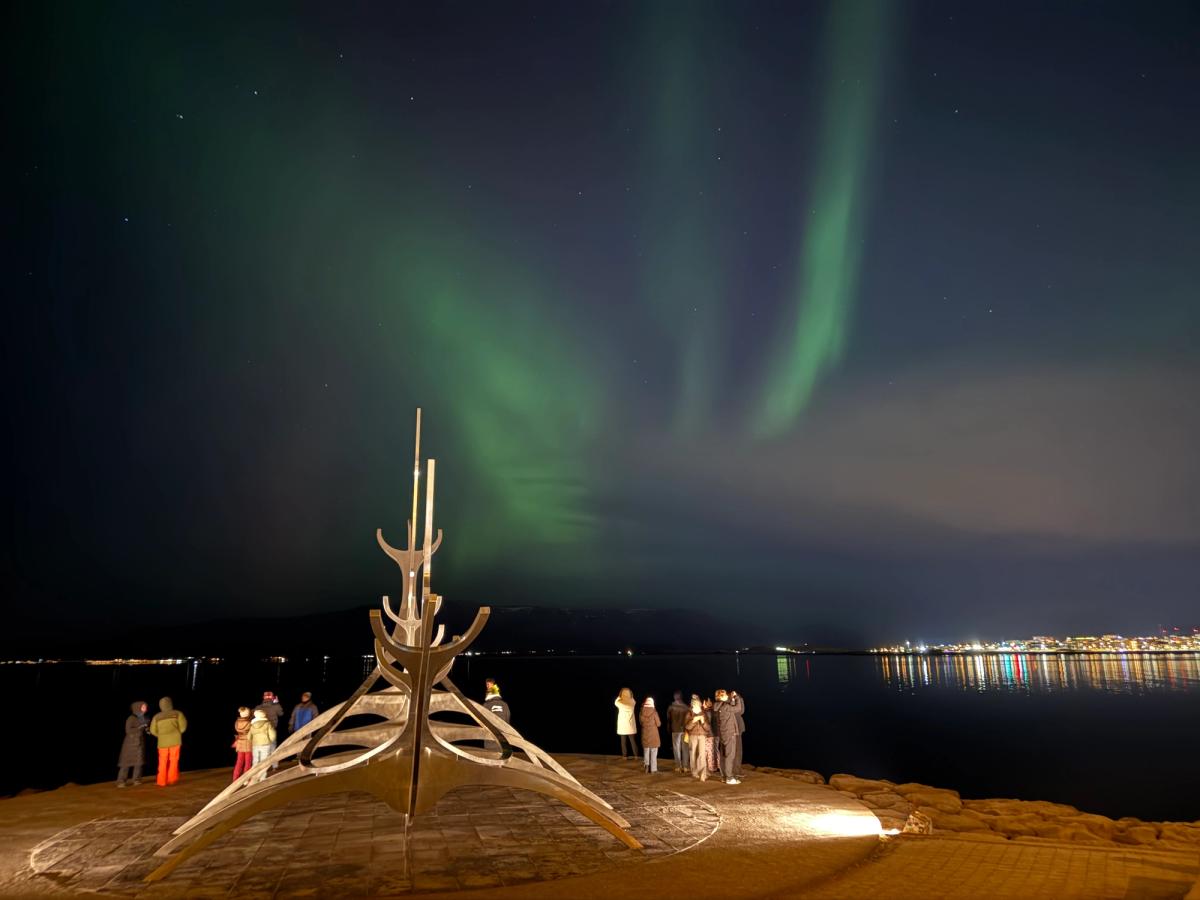
Sun Voyager (Sólfar)
Sun Voyager (Sólfar) is Reykjavík’s iconic steel dreamboat sculpture beside Faxaflói Bay, with sweeping views of Mount Esja.
At a Glance
Visit time
15–30 minutes for the sculpture, longer with a waterfront walk
Best Season
Sunrise, sunset and blue hour; year-round outdoor access
Getting There
Free outdoor public artwork on Reykjavík’s Sæbraut seafront; follow the paved promenade. Nearby Harpa is within walking distance.
GPS
64.1476, -21.9223
About
About Sun Voyager (Sólfar)
Sun Voyager (Sólfar) is Reykjavík’s iconic steel dreamboat sculpture beside Faxaflói Bay, with sweeping views of Mount Esja.
See Reykjavík’s best-known waterfront sculpture with views of Faxaflói Bay and Mount Esja—free, photogenic and easy to reach on foot.
Tours Near Sun Voyager (Sólfar)
Private Reykjavik LGBTQ+ City Walk
Your Friend in Reykjavik · 3 hours
Private Reykjavik City Tour
Icelimo Luxurytravel · 4 hours

Private 3 hour Reykjavik Driving Tour
Your Friend in Reykjavik · 3 hours
Private Reykjavik Shopping & Sightseeing Walking Tour
Your Friend in Reykjavik · 3 hours
Photos
Gallery
Background
History & Background
Icelandic sculptor Jón Gunnar Árnason (1931–1989) won a 1986 competition connected with Reykjavík’s bicentenary with his concept for Sólfar. The design was realised as a large stainless-steel dreamboat, not a historical ship replica. Árnason died in 1989; the finished sculpture was unveiled on 18 August 1990, Reykjavík’s birthday. Its Sæbraut location places the work against Faxaflói Bay and the mountains, emphasising its themes of travel, imagination, hope and freedom.
## What is Sun Voyager? Sun Voyager, called Sólfar in Icelandic, is a stainless-steel public sculpture by Jón Gunnar Árnason on Reykjavík’s Sæbraut waterfront. Its open, boat-like silhouette is often mistaken for a Viking ship. The artist described it instead as a dreamboat and an ode to the sun—a work about hope, progress, freedom and imagined journeys. ## What makes it special? Set above Faxaflói Bay, the polished ribs frame the sea and Mount Esja across the water. The sculpture changes with the light: warm colour around sunset, crisp reflections on clear days and atmospheric outlines during winter’s blue hour. It is a particularly memorable subject for photography, yet well worth visiting without a camera. ## How to visit You can see the sculpture for free at the open-air waterfront at any time of year. Allow around 15–30 minutes for the artwork itself, or include it in a longer walk east of Harpa Concert Hall. Follow the paved seafront path; Sæbraut is a busy road, so use designated crossings and do not stop a vehicle on the road to take photographs. Nearby public parking can be limited or paid, so walking from central Reykjavík is often easiest. ## Photography and northern lights For photographs, try several angles to frame the boat-like lines against Esja or the bay. Sunrise, sunset and blue hour provide different moods. Strong northern lights can sometimes appear above the waterfront on clear dark evenings, but Reykjavík’s city lights make faint displays harder to see. Check cloud cover and recent sightings in AuroraVision before making a nighttime trip; there is no guarantee of aurora activity. ## A good Reykjavík pairing Combine Sun Voyager with Harpa, the shoreline promenade and central Reykjavík’s cafés. It is an open-air artwork rather than an indoor museum: bring a windproof layer, expect slippery patches in winter and keep away from exposed, icy edges.
Folklore
Story & Folklore
Walk east from Harpa along Reykjavík’s seafront and a slender silver form appears against the sky: Sólfar, the Sun Voyager. Its polished stainless-steel ribs look a little like a Viking longship, yet artist Jón Gunnar Árnason meant something more imaginative. This is a dreamboat, an ode to the sun and a symbol of hope, freedom and the promise of discovery. The open design lets the light, sea and distant silhouette of Mount Esja become part of the artwork. Every visit feels different. In bright summer light the steel glints; in winter the sculpture can stand in dramatic contrast to the mountains, sea and clouds. Sunset and the blue hour are especially rewarding for photographers. The piece was chosen following a 1986 competition connected with Reykjavík’s 200th anniversary. Jón Gunnar died in 1989, before the sculpture was unveiled on 18 August 1990. Today it is a free and easy stop on the paved Sæbraut waterfront promenade, often paired with Harpa, central Reykjavík or a longer shoreline walk. Take your time, admire the sculpture from several angles and let the changing horizon complete the scene.
Did You Know?
Despite its Viking-ship appearance, the sculptor called Sólfar a dreamboat and an ode to the sun. It was unveiled on 18 August 1990, after his death.
Culture
Stories & Legends
Icelandic sagas and folklore from this area
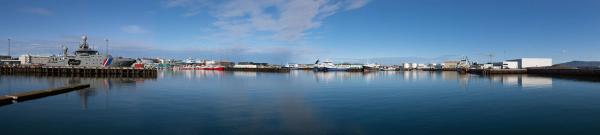
Reykjavík
Reykjavík is a historic location in Iceland mentioned in "Harðar saga og Hólmverja", one of the ancient Íslendingasögur (Sagas of Icelanders). These medieval narratives preserve the history of Iceland's Viking Age settlement.
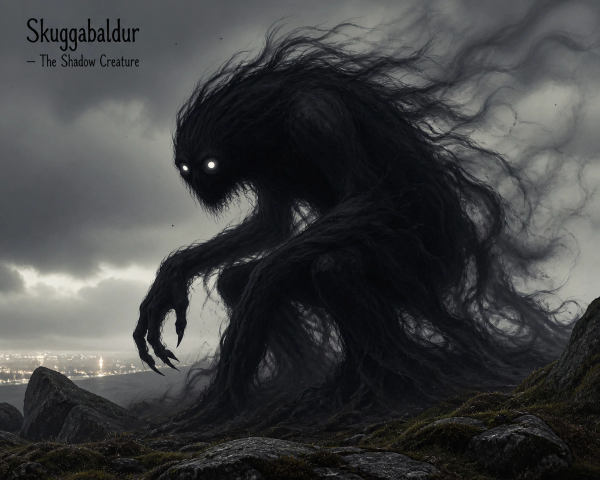
Skuggabaldur – The Shadow Creature
Skuggabaldur: A phantom dog guarding forgotten paths.
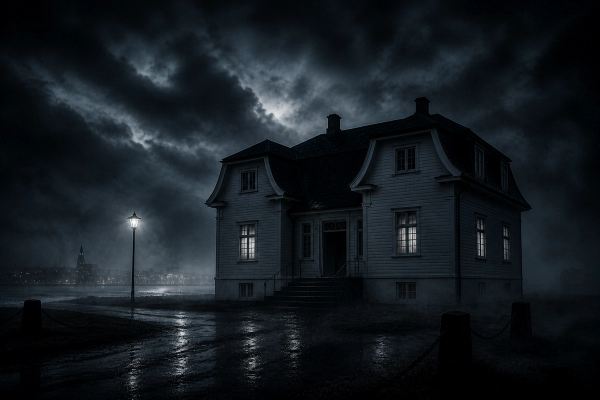
Höfði House – Reykjavík's Haunted Mansion
Höfði House: Reykjavík's historic mansion with a chilling paranormal past.
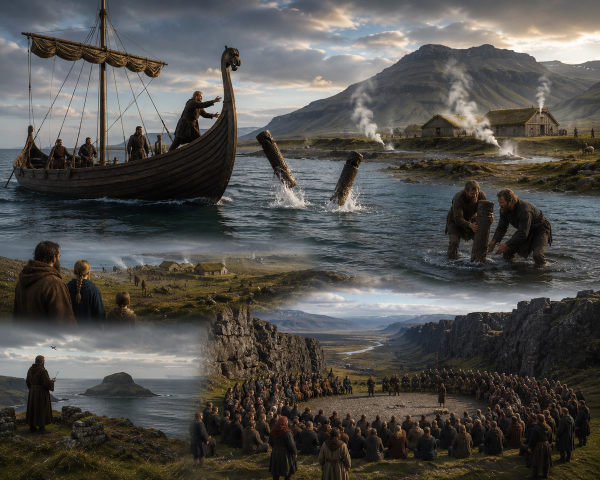
The Settlement of Iceland – Land of Fire and Freedom
Iceland: Land of Fire and Freedom, forged by Vikings and volcanic might.
Explore
Hidden Gems Nearby
Harpa Concert Hall
Walk west along the shoreline toward Reykjavík’s distinctive glass-fronted concert hall, with cafés and harbour views.
An easy pairing with Sólfar on a waterfront stroll.
Höfði House
Continue east along the waterfront toward historic Höfði House and its grounds; admire the exterior from publicly accessible areas.
Adds a little history to an art-and-waterfront walk.
Reykjavík Old Harbour
Continue west past Harpa to Reykjavík’s Old Harbour for cafés, harbour views and city activities.
A natural extension for an afternoon or evening walk.
Help
Frequently Asked Questions
Location
Location
Discover
Explore Nearby
Places within 5.0 km
Loading nearby places…
0 places found within 5.0 km
Plan full itinerary →Explore More