About
About Snæfellsjökull
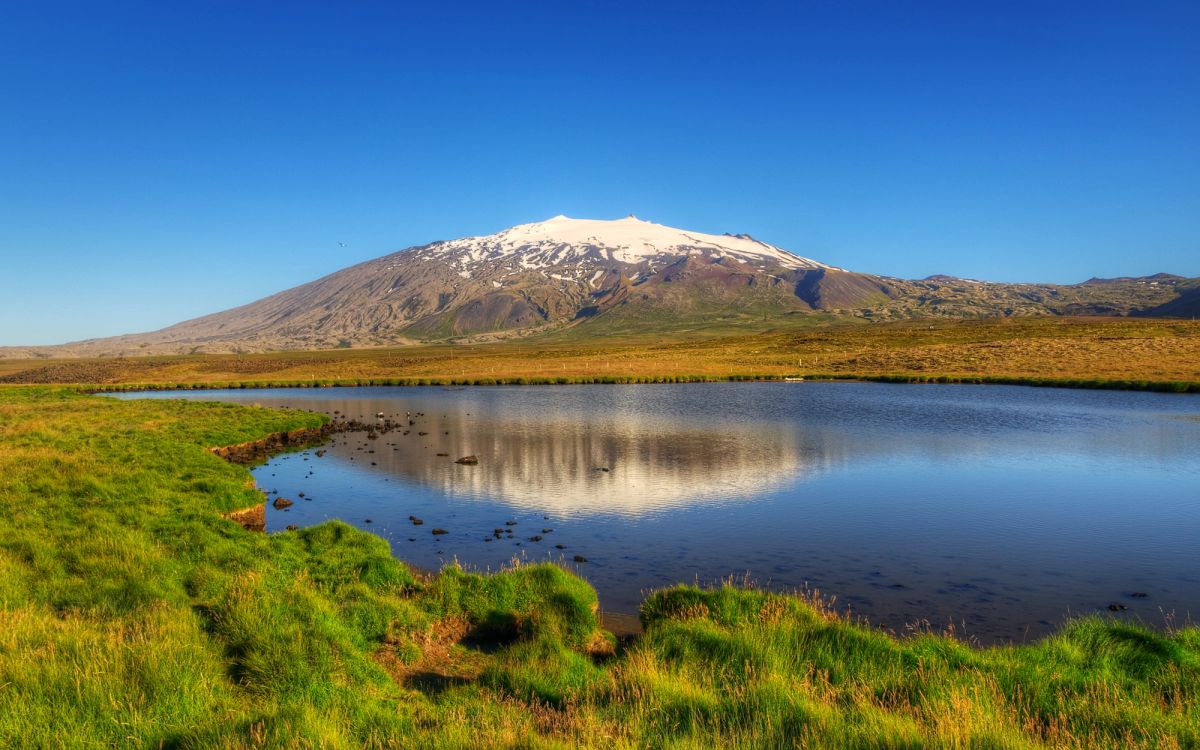
Glacier-capped stratovolcano in national park
Featured in Jules Verne's Journey to the Center of the Earth
Background
History & Background
The glacier gained worldwide fame as the starting point of Jules Verne's 1864 novel 'Journey to the Center of the Earth'. Many people believe Snæfellsjökull is one of the world's seven main energy centers, attracting spiritual seekers from around the globe. The glacier has been retreating rapidly due to climate change. In 2001, the area became Iceland's first coastal national park.
Snæfellsjökull is a remarkable glacier in Iceland. Snæfellsjökull is a magnificent glacier located in West Iceland. This ancient ice mass is part of Iceland's iconic glacial landscape. Visitors can exp... Snæfellsjökull is Iceland's most mythologised glacier — a 1,446-metre volcanic peak capped in eternal ice at the tip of the Snæfellsnes peninsula. Jules Verne chose it as the entrance to the centre of the Earth in his 1864 novel. New Age adherents ra. This location offers visitors a unique opportunity to experience Iceland's natural beauty and cultural heritage.
Folklore
Story & Folklore
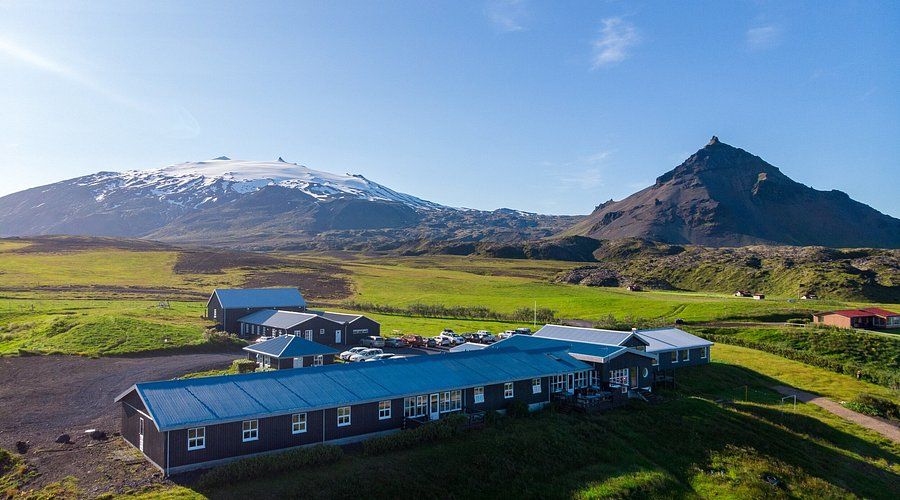
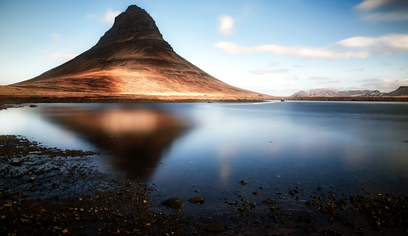
Snæfellsjökull is Iceland's most mythologised glacier — a 1,446-metre volcanic peak capped in eternal ice at the tip of the Snæfellsnes peninsula. Jules Verne chose it as the entrance to the centre of the Earth in his 1864 novel. New Age adherents rank it as one of the world's seven energy centres. Scientists know it sits atop one of Iceland's most active volcanic systems, with the last eruption approximately 1,800 years ago. The glacier and surrounding lava fields have been a national park since 2001. On the rare clear days when the cloud lifts, the ice cap is visible from Reykjavík, 100 kilometres across the bay. The glacier is retreating: some glaciologists predict it will disappear within 100 years.
💡 Did You Know?
One of Iceland's most mystical mountains
Local Legend
The Troll of Snæfellsjökull
An ancient tale speaks of a troll who once roamed Snæfellsjökull. The troll was caught by the rising sun while traveling home and turned to stone, becoming part of the landscape. Local people say you can still see the troll's silhouette in the mountain formation, forever frozen as a reminder to respect the power of daylight.
Culture
Stories & Legends
Icelandic sagas and folklore from this area
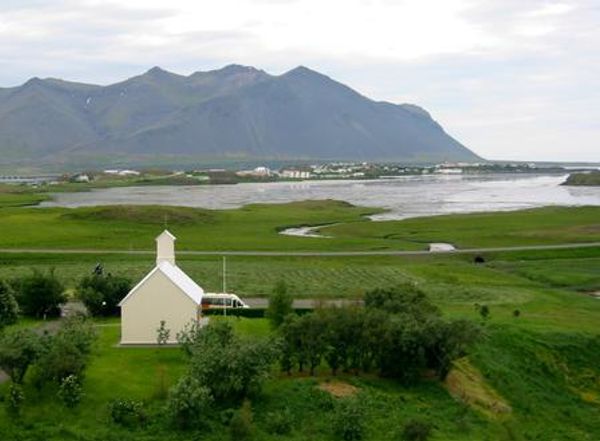
Beruvíkurhraun
Beruvíkurhraun is a historic location in Iceland mentioned in "Bjarnar saga Hítdælakappa", one of the ancient Íslendingasögur (Sagas of Icelanders). These medieval narratives preserve the history of Iceland's Viking Age settlement.
Snjófell
Snjófell is a historic location in Iceland mentioned in "Bárðar saga Snæfellsáss", one of the ancient Íslendingasögur (Sagas of Icelanders). These medieval narratives preserve the history of Iceland's Viking Age settlement.
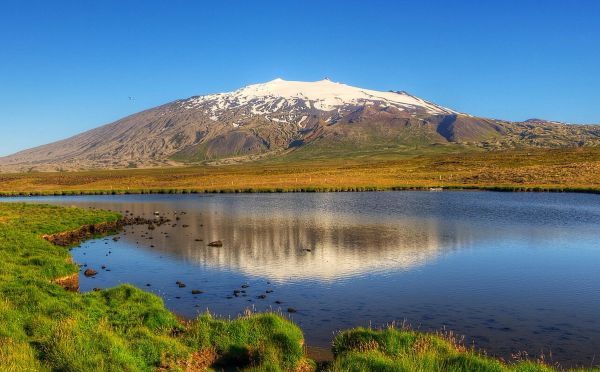
Snæfellsjökull – The Mystical Glacier
Snæfellsjökull: A mystical glacier where legends of magic and hidden worlds reside.
Explore
Hidden Gems Nearby
✦ Glacier Sounds
Stop and listen — glaciers make haunting sounds as ice shifts and meltwater flows beneath the surface.
The creaking, groaning, and rushing sounds remind you that glaciers are living, moving rivers of ice.
✦ Ice Colors
Look carefully at the ice — you'll see shades of white, blue, and even black from volcanic ash layers.
The blue color comes from compressed ice that absorbs red light, and ash layers mark historical eruptions.
✦ Glacier Edge Ecology
The area where the glacier meets rock supports a unique micro-ecosystem of hardy organisms.
Pioneer plants and insects colonizing newly exposed land offer a real-time view of ecological succession.
Help
Frequently Asked Questions
Location
📍 Location
Discover
Explore Nearby
Places from our database within 1.0 km — all data from Sanity
Loading nearby places…
0 places found within 1.0 km
Plan full itinerary →Explore More