capital-region · Iceland
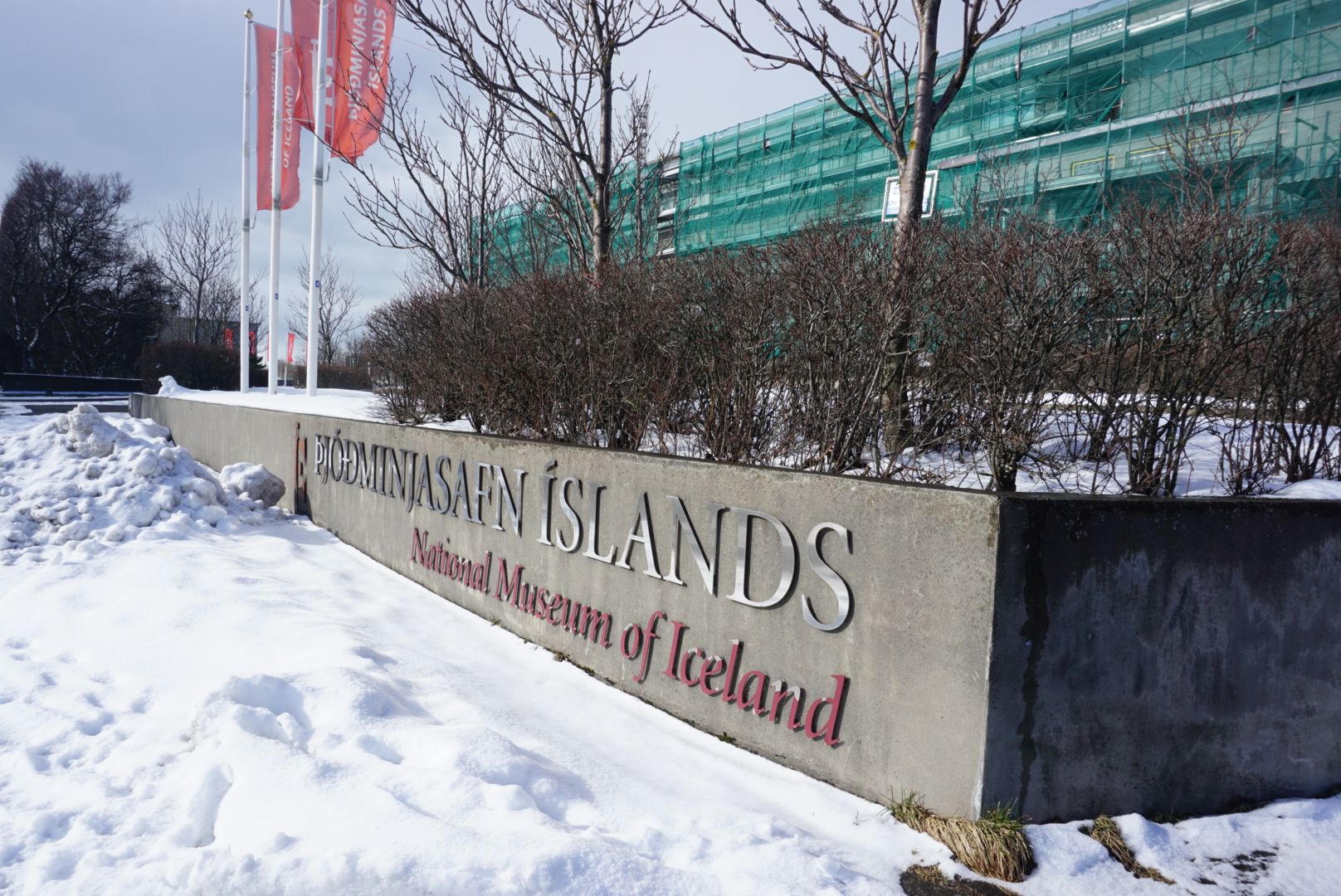
National Museum of Iceland
About National Museum of Iceland
Step into the heart of Iceland's past at the National Museum, the central institution dedicated to preserving and researching its rich cultural heritage. Discover 1,200 years of history, from the first Viking settlers to the vibrant modern nation. It's an essential journey through the island's captivating story.
Photo Gallery
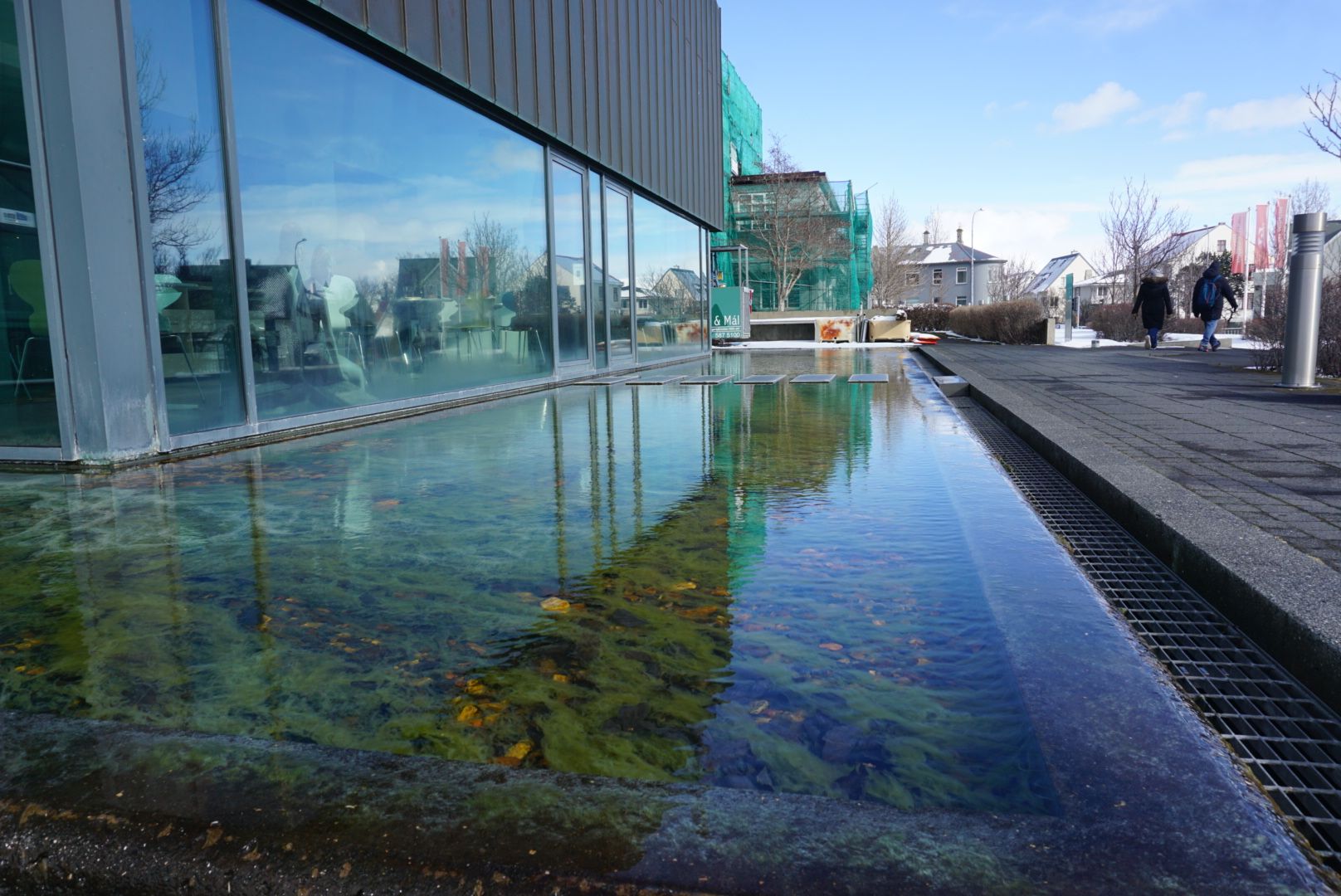
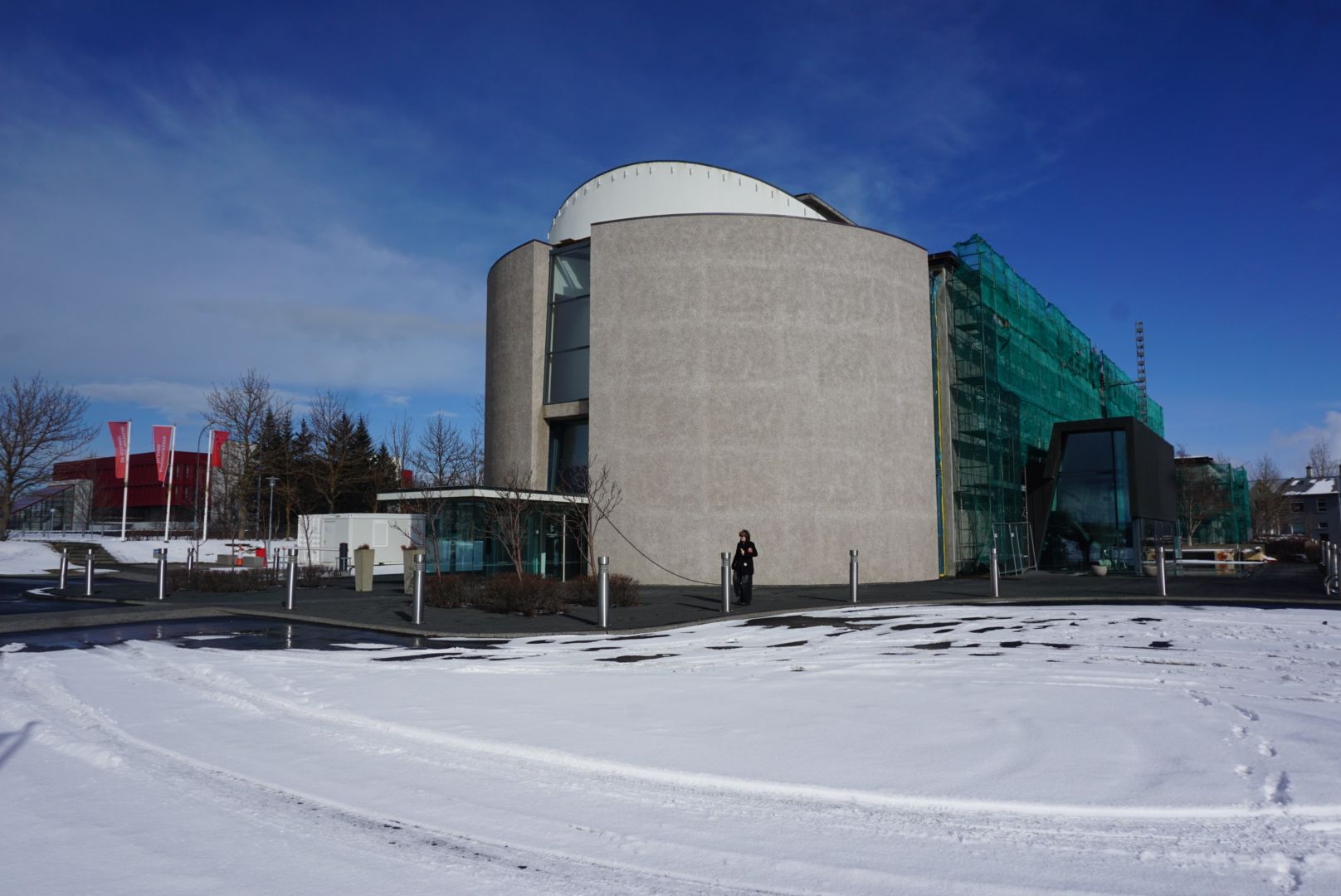
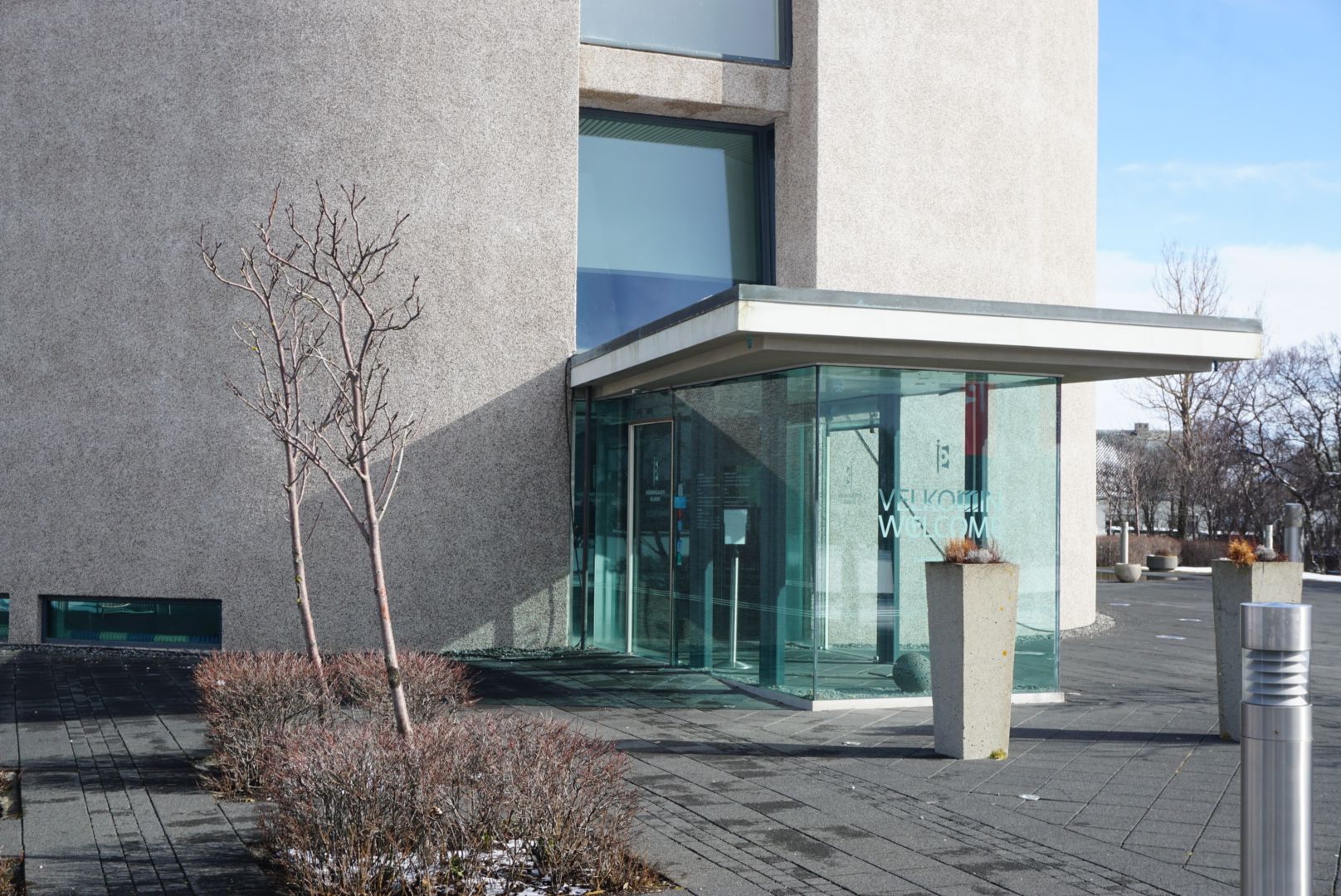
History & Background
The National Museum of Iceland, or Þjóðminjasafn Íslands, holds a pivotal position in the safeguarding of the nation's historical identity. Established as the central institution for national heritage preservation, its fundamental role is to collect, conserve, and exhibit artifacts that tell the story of Iceland's cultural development over more than a millennium. Its significance lies in its mandate to conduct extensive research into Iceland's cultural-historical monuments, ensuring that the country's past is not only displayed but also deeply understood and scientifically documented. This dedication to both preservation and scholarship makes it the definitive authority on Iceland's historical narrative, from the Viking Age settlement to contemporary times. Through its comprehensive collections, the museum serves as a vital link between past generations and the future, illuminating the unique journey of the Icelandic people.
Did You Know?
- It covers 1,200 years of Icelandic history.
- It traces history from Viking settlement to modern times.
- Known in Icelandic as Þjóðminjasafn Íslands.
- It is the central institution for national heritage preservation.
- It conducts research into Iceland's cultural-historical monuments.
Tours Near National Museum of Iceland
Best-rated Iceland experiences — book with free cancellation


Why Visit
Unravel 1,200 years of Iceland's unique cultural journey, from Viking sagas to modern times.
Did You Know?
Did you know the National Museum of Iceland is the central institution for preserving and researching all of Iceland's cultural-historical monuments?
Valþjófsstaður Door
A medieval carved church door depicting a knight defeating a dragon, symbolizing the battle between good and evil. It is one of Iceland’s most treasured historical artifacts.
Stories & Legends
Icelandic sagas and folklore from this area
Hidden Gems Nearby
The Valþjófsstaður Door (Don’t Miss This)
Most visitors walk past this without realizing its importance. This medieval carved church door tells a story of a knight defeating a dragon and is one of Iceland’s most significant historical artifacts. Take a moment to look closely at the details — it’s a true hidden treasure.
Top Floor Quiet Zone
Head upstairs where fewer visitors go. This area is much quieter and lets you explore the exhibits at your own pace without crowds. Perfect if you want a more immersive and calm museum experience.
Everyday Life Exhibit (Underrated)
Skip the big headline pieces for a moment and explore the everyday objects section. It gives a surprisingly real insight into how Icelanders actually lived — from clothing to tools — and is often overlooked.
Rainy Day Escape Spot
If the weather turns bad, this museum becomes one of the best places in Reykjavík to spend a few hours. Warm, informative, and never overcrowded — a perfect fallback plan.
Practical Information
Best Time
All year, typically quieter in the mornings.
Duration
2-3 hours to fully appreciate the exhibits.
Access
Located in Reykjavík, easily accessible by foot, bus, or car from the city center.
Photo Gallery
Frequently Asked Questions
What is the main focus of the National Museum of Iceland?
It is the central institution for national heritage preservation and research into Iceland's cultural-historical monuments.
What period of history does the museum cover?
The museum covers 1,200 years of Icelandic history, from the Viking settlement to modern times.
What is the Icelandic name for the museum?
It is known in Icelandic as Þjóðminjasafn Íslands.
Is the museum suitable for all ages?
As a national museum covering a vast history, it offers educational content for a broad audience interested in Icelandic culture and history.