
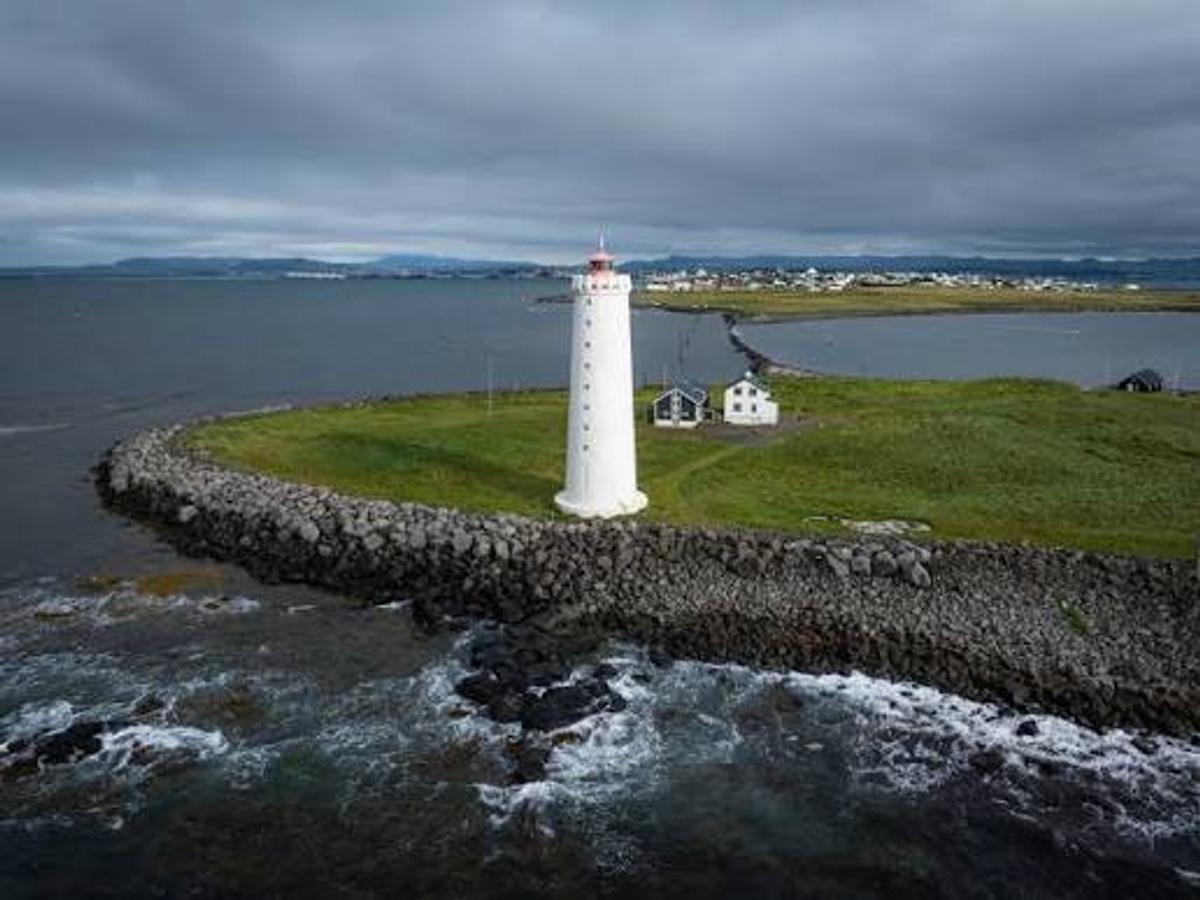
Grótta
Grótta’s tidal lighthouse island offers views and birdlife near Reykjavík; check high tides and seasonal reserve closure.
At a Glance
Visit time
30–60 minutes from mainland; do not plan an island crossing without current tide information
Best Season
Daylight for birdwatching; sunset or dark clear evenings from safe mainland viewpoints
Getting There
Seltjarnarnes coastline. Island crossing strictly tide-dependent and prohibited during 1 May–31 July nesting closure.
GPS
64.1646, -22.0216
About
About Grótta
Grótta’s tidal lighthouse island offers views and birdlife near Reykjavík; check high tides and seasonal reserve closure.
Watch the changing sea, coastal birds and sunset—or try for northern lights from a safe public mainland viewpoint.
Tours Near Grótta
Private Reykjavik LGBTQ+ City Walk
Your Friend in Reykjavik · 3 hours
Private Reykjavik City Tour
Icelimo Luxurytravel · 4 hours

Private 3 hour Reykjavik Driving Tour
Your Friend in Reykjavik · 3 hours
Private Reykjavik Shopping & Sightseeing Walking Tour
Your Friend in Reykjavik · 3 hours
Photos
Gallery
Background
History & Background
The lighthouse at Grótta serves a tidal island on Seltjarnarnes long associated with coastal navigation. The surrounding area is a nature reserve that protects bird habitat and is subject to seasonal access restrictions. The island is reachable on foot only at suitable low tides outside the annual bird-nesting closure.
Grótta is a protected tidal island and lighthouse on the western tip of Seltjarnarnes, close to Reykjavík. The lighthouse and wide views across Faxaflói Bay make it a favourite coastal stop for photography, birdwatching, sunsets and sometimes northern lights. **Important seasonal closure:** the Grótta island nature reserve is closed from 1 May through 31 July due to bird nesting. Do not cross during the closure. Outside the closed period, access to the island depends on low tide and municipal guidance; the causeway is covered by water around high tide. Use current official tide tables and on-site signs. Never assume that a clear-looking causeway will stay passable long enough for your return. You can enjoy the public mainland coastline without crossing to the island. For northern lights, wait on lawful public areas and remember that clear skies, solar activity and darkness are required. A reported aurora sighting is not a guarantee. Be particularly cautious of wind, waves, icy paths and the absence of street lighting. Grótta is primarily a natural coastal stop rather than a staffed visitor attraction. There is no fixed daily opening time for mainland public viewpoints, but reserve access regulations must be followed. Plan roughly 30–60 minutes for coastal views without attempting the crossing.
Folklore
Story & Folklore
At the western tip of Seltjarnarnes, the Grótta lighthouse rises above a tidal island surrounded by coastal scenery and bird habitat. Looking toward the open sea and across Faxaflói makes this one of the best-known short excursions from Reykjavík. Visitors enjoy sunsets and, on clear dark evenings, sometimes northern lights, though conditions are never guaranteed. The island is connected to the mainland by a tidal causeway, making careless crossing dangerous: the water can cover the route and isolate anyone still on the island. The nature reserve also protects nesting birds, and the island closes from 1 May to 31 July. You do not need to cross to the lighthouse island to enjoy the sky or coastal views; the public mainland shoreline can be rewarding in its own right. Before any island crossing outside the closed period, consult the municipality’s tide timetable and current local signs. In winter bring warm, waterproof layers and footwear with grip, and stay clear of slippery rocks, waves and high water. Never cross the causeway after dark without confirmed safe access.
Did You Know?
Grótta is a tied island, meaning it's connected to the mainland by a natural causeway that appears at low tide, making it accessible only at specific times.
Culture
Stories & Legends
Icelandic sagas and folklore from this area
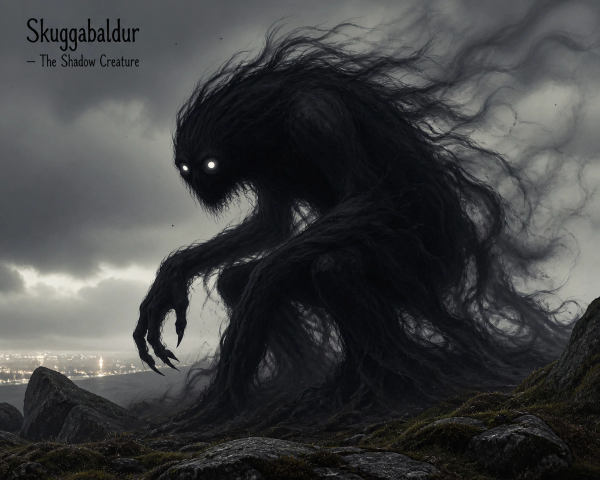
Skuggabaldur – The Shadow Creature
Skuggabaldur: A phantom dog guarding forgotten paths.
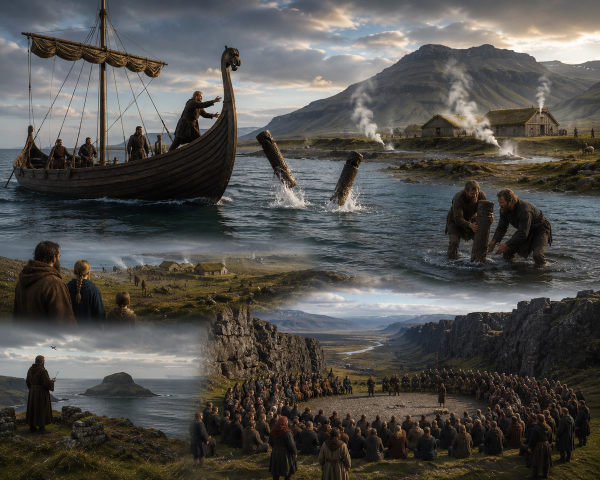
The Settlement of Iceland – Land of Fire and Freedom
Iceland: Land of Fire and Freedom, forged by Vikings and volcanic might.
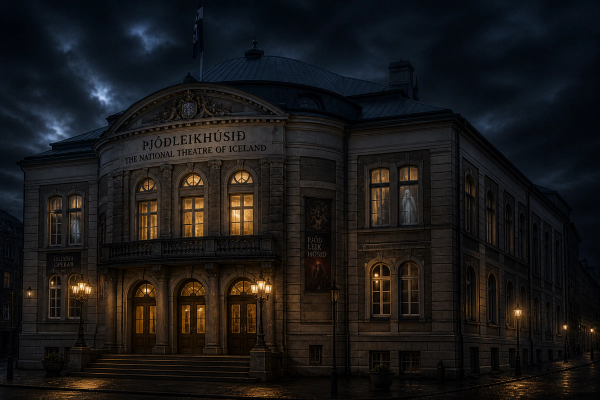
National Theatre of Iceland
Staff and performers have reported unexplained sounds, flickering lights and ghostly presences in the backstage areas and upper floors of this early 20th century building.
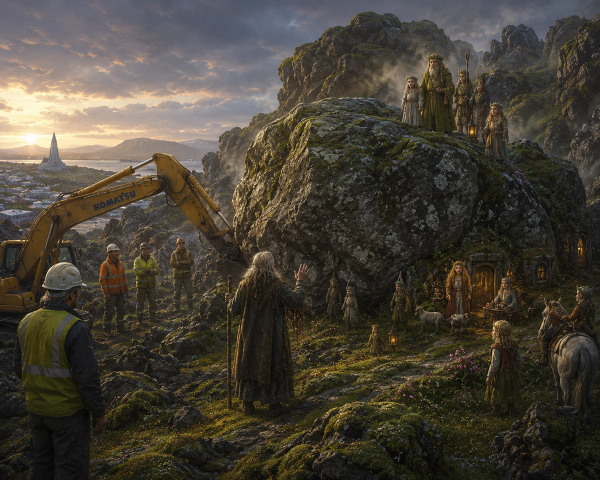
Elves and the Hidden People (Huldufólk)
Reykjavík's hidden folk: Elves are said to reside in and around the capital.
Explore
Hidden Gems Nearby
Tidal Patterns
The black sand creates stunning patterns as the waves retreat, especially at low tide.
The interplay of water, sand texture, and reflected sky creates naturally artistic compositions that are constantly changing.
Rock Formations
Explore the rock formations at the edges of the beach — many feature columnar basalt and small caves.
These geological features add variety to your beach visit and often shelter small tidal pools with marine life.
Seabird Watching
Bring binoculars to spot seabirds nesting on nearby cliffs, especially during summer months.
In breeding season (May-August), you can often see puffins, fulmars, and guillemots from the beach.
Help
Frequently Asked Questions
Location
Location
Discover
Explore Nearby
Places within 5.0 km
Loading nearby places…
0 places found within 5.0 km
Plan full itinerary →Explore More