north-iceland · Iceland
Reynistaðarkirkja
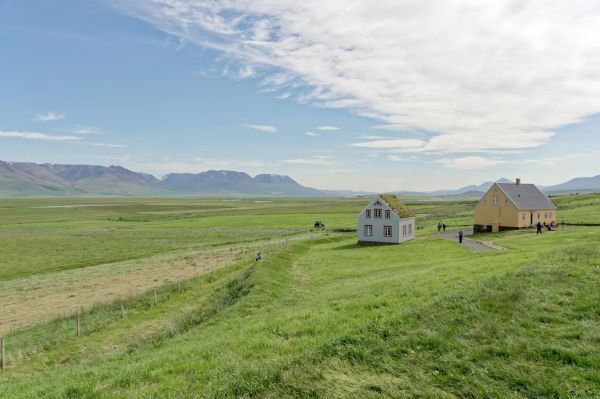
Step into history at Reynistaðarkirkja, a picturesque white wooden church with a distinctive light blue-grey roof and bright yellow trim, set against the dramatic Icelandic landscape. This serene site, once home to a Benedictine nunnery, offers a glimpse into centuries of spiritual and cultural heritage.
About Reynistaðarkirkja
Step into history at Reynistaðarkirkja, a picturesque white wooden church with a distinctive light blue-grey roof and bright yellow trim, set against the dramatic Icelandic landscape. This serene site, once home to a Benedictine nunnery, offers a glimpse into centuries of spiritual and cultural heritage.
History & Background
Reynistaður holds deep historical roots as a significant settlement, church site, and former Benedictine nunnery located west of the Héraðsvatna river. The nunnery, established in 1295, thrived for centuries before its dissolution in 1552, leaving a lasting spiritual legacy on the region. Prior to its monastic era, Reynistaður gained prominence as a jarl's seat when Jarl Gissur Þorvaldsson purchased the land in 1259 and moved his residence there. The history of a church at Reynistaður dates back at least to 1268, when it is recorded that Jarl Gissur Þorvaldsson died on January 12th and was interred within the church's floor. The current charming white wooden church, visible today, was constructed much later, between 1868 and 1870, embodying the architectural style of its era. A vestibule was added in 1950, further enhancing the structure. One of the most distinctive features of Reynistaðarkirkja is its pulpit, which is positioned directly above the altar – a rare arrangement found in only five other churches across Iceland. Since 1960, the church has functioned as an out-church of Glaumbær, having previously been served by the parish of Sauðárkrókur, reflecting its enduring role in the spiritual life of the community.
Did You Know?
- ✔Reynistaðarkirkja is part of Iceland's rich religious and cultural heritage
- ✔Iceland became Christian in the year 1000 AD by a democratic decision at Alþingi
- ✔Many Icelandic churches date back centuries and feature distinctive architecture
Tours Near Reynistaðarkirkja
Best-rated Iceland experiences — book with free cancellation
No specific tours found for this attraction.
Browse Iceland Tours →About Reynistaðarkirkja
Nestled in the verdant landscape west of Héraðsvatna river, Reynistaðarkirkja is a site steeped in history, serving as a church, farm, and former Benedictine nunnery. The present church, a charming white wooden structure with a corrugated light blue-grey metal roof and striking yellow trim around its windows, doors, and eaves, was constructed between 1868 and 1870. Its simple yet elegant design, featuring a small, distinctive steeple with two arched openings, beautifully complements the rugged Icelandic environment. The vestibule, a later addition, was built in 1950. Historically, Reynistaður was a significant location, notably serving as the seat of Jarl Gissur Þorvaldsson, who acquired the land in 1259. Records indicate a church existed here as early as 1268, the year Jarl Gissur passed away and was reputedly buried in its floor. Adding to its unique character, Reynistaðarkirkja boasts a pulpit positioned directly above the altar, a rare architectural feature found in only five other Icelandic churches. The surrounding graveyard, dotted with modest white crosses and headstones, offers a peaceful space for reflection. Visitors will appreciate the tranquil atmosphere and the opportunity to delve into Iceland's rich religious and cultural past. While the church itself is a testament to Icelandic craftsmanship, its historical context, from its monastic roots to its connection with a powerful jarl, truly makes it a compelling stop. It has served as an out-church from Glaumbær since 1960, having previously been served from Sauðárkrókur.
History & Background
Reynistaður holds deep historical roots as a significant settlement, church site, and former Benedictine nunnery located west of the Héraðsvatna river. The nunnery, established in 1295, thrived for centuries before its dissolution in 1552, leaving a lasting spiritual legacy on the region. Prior to its monastic era, Reynistaður gained prominence as a jarl's seat when Jarl Gissur Þorvaldsson purchased the land in 1259 and moved his residence there. The history of a church at Reynistaður dates back at least to 1268, when it is recorded that Jarl Gissur Þorvaldsson died on January 12th and was interred within the church's floor. The current charming white wooden church, visible today, was constructed much later, between 1868 and 1870, embodying the architectural style of its era. A vestibule was added in 1950, further enhancing the structure. One of the most distinctive features of Reynistaðarkirkja is its pulpit, which is positioned directly above the altar – a rare arrangement found in only five other churches across Iceland. Since 1960, the church has functioned as an out-church of Glaumbær, having previously been served by the parish of Sauðárkrókur, reflecting its enduring role in the spiritual life of the community.
Why Visit
Discover unique Icelandic church architecture and a rich monastic history in a tranquil setting.
Did You Know?
Reynistaðarkirkja is one of only six churches in Iceland where the pulpit is uniquely situated directly above the altar.
The Burial Place of Jarl Gissur
While not a legend in the mythical sense, Reynistaðarkirkja holds a significant historical 'story': it is said that Jarl Gissur Þorvaldsson, a powerful figure in 13th-century Iceland, was buried directly beneath the floor of the church on this very site in 1268. This unique historical fact adds a profound layer of ancient lineage and reverence to the grounds.
📖 Stories & Legends
Icelandic sagas and folklore from this area
Hidden Gems Nearby
Pulpit above the Altar
Discover the church's unique architectural feature: its pulpit is positioned directly over the altar. This rare design is found in only five other churches across all of Iceland.
It's a testament to a distinct historical liturgical practice and architectural style.
Historic Graveyard
Wander through the peaceful graveyard surrounding the church, adorned with simple white crosses and headstones, offering a contemplative space amidst the stunning Icelandic scenery.
It provides a tangible connection to the lives of past generations who lived and worshipped here.
Vestibule of 1950
Notice the church's vestibule (forkirkjan), a more recent addition from 1950, which subtly blends with the older structure while adding to its functional design.
It showcases the ongoing care and evolution of this historic church over time.
Practical Information
Best Time
Late Spring to Early Autumn (May-September)
Duration
30-45 minutes
Access
Paved road access, parking available on site or nearby.
Frequently Asked Questions
Is there an entry fee to visit Reynistaðarkirkja?▾
Generally, there is no entry fee to visit Icelandic churches, though donations for maintenance are often appreciated. Check local signage for any specific information.
Is Reynistaðarkirkja wheelchair accessible?▾
The church has steps leading up to the entrance, and the grounds are grassy, which may pose challenges for wheelchair access. Interior accessibility may also be limited due to its historic nature.
Can I take photos inside the church?▾
Photography for personal use is usually permitted inside Icelandic churches, but it's always respectful to check for any posted signs or ask if there's a service ongoing. Please be mindful of others.
What is the best time of year to visit Reynistaðarkirkja?▾
The best time to visit is during the warmer months, from May to September, when the weather is milder, and the surrounding landscape is green and vibrant, making for a pleasant visit.
How long should I plan to spend at Reynistaðarkirkja?▾
A visit of 30-45 minutes is usually sufficient to explore the church's exterior, appreciate its architecture, walk through the graveyard, and take in the historical significance of the site.