north-iceland · Iceland
Reykjakirkja
Discover Reykjakirkja, a picturesque wooden church in North Iceland, renowned for its unique, geothermally heated cemetery—the only one of its kind globally. With its striking grey facade, white steeple, and arched windows, this historic site offers a serene glimpse into Icelandic heritage amidst a tranquil landscape.
About Reykjakirkja
Discover Reykjakirkja, a picturesque wooden church in North Iceland, renowned for its unique, geothermally heated cemetery—the only one of its kind globally. With its striking grey facade, white steeple, and arched windows, this historic site offers a serene glimpse into Icelandic heritage amidst a tranquil landscape.
History & Background
Reykjakirkja stands on Reykir, an ancient manor and church site in Tungusveit, Lýtingsstaðahreppi, highlighting its deep historical roots within the community. The current wooden church, a charming example of traditional Icelandic ecclesiastical architecture, was originally constructed in 1896. Its design, featuring a two-part tower at the front and a cross-gabled roof clad in corrugated iron (now painted white), reflects the building styles prevalent at the turn of the 20th century. A pivotal aspect of Reykjakirkja's history and enduring appeal is its unique relationship with Iceland's geothermal landscape. The church's cemetery is globally recognized as the only heated burial ground, a direct result of the significant geothermal heat present in the area. This natural phenomenon not only provides a fascinating point of interest but also underscores the profound way Icelanders have adapted and integrated with their environment over centuries. The church underwent a substantial rebuilding and reconsecration in 1976, ensuring its structural integrity and continued service to the Mælifellsprestakalli parish within the Skagafjarðarprófastsdæmi diocese. Its historical and cultural value was further cemented when it was officially protected on January 1, 1990, preserving this distinctive landmark for generations to come as a vital piece of Iceland's religious and architectural heritage.
Did You Know?
- ✔Reykjakirkja is part of Iceland's rich religious and cultural heritage
- ✔Iceland became Christian in the year 1000 AD by a democratic decision at Alþingi
- ✔Many Icelandic churches date back centuries and feature distinctive architecture
Tours Near Reykjakirkja
Best-rated Iceland experiences — book with free cancellation
No specific tours found for this attraction.
Browse Iceland Tours →About Reykjakirkja
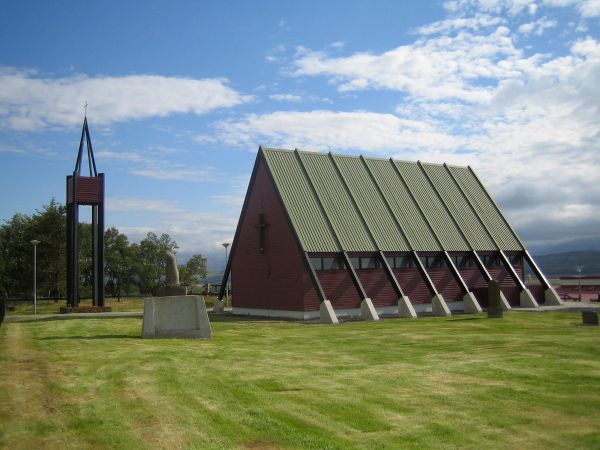
Nestled in the scenic Tungusveit region of North Iceland, Reykjakirkja is more than just a church; it's a testament to Iceland's enduring spirit and unique natural environment. This historic wooden structure, with its elegant light grey horizontally paneled exterior and a crisp white roof, immediately captivates visitors. The prominent steeple, also white and topped with a cross, rises gracefully against the often dramatic Icelandic sky, as seen in the accompanying image. The church features distinctive arched windows with white frames, adding to its classic charm. What truly sets Reykjakirkja apart is its adjacent cemetery, which holds the extraordinary distinction of being the world's only geothermally heated burial ground. This remarkable feature is a direct result of the abundant geothermal activity in the Reykir area, creating a unique and poignant connection between life, death, and the powerful forces of nature. The church itself, originally built in 1896, underwent a significant rebuilding and reconsecration in 1976, ensuring its preservation for future generations. It was officially protected on January 1, 1990, recognizing its historical and architectural significance. Surrounded by a pristine white picket fence and set against a backdrop of rolling green hills, Reykjakirkja offers a tranquil and deeply moving experience. It's a place where history, faith, and the raw power of the Icelandic landscape converge, inviting quiet contemplation and appreciation for its singular heritage.
History & Background
Reykjakirkja stands on Reykir, an ancient manor and church site in Tungusveit, Lýtingsstaðahreppi, highlighting its deep historical roots within the community. The current wooden church, a charming example of traditional Icelandic ecclesiastical architecture, was originally constructed in 1896. Its design, featuring a two-part tower at the front and a cross-gabled roof clad in corrugated iron (now painted white), reflects the building styles prevalent at the turn of the 20th century. A pivotal aspect of Reykjakirkja's history and enduring appeal is its unique relationship with Iceland's geothermal landscape. The church's cemetery is globally recognized as the only heated burial ground, a direct result of the significant geothermal heat present in the area. This natural phenomenon not only provides a fascinating point of interest but also underscores the profound way Icelanders have adapted and integrated with their environment over centuries. The church underwent a substantial rebuilding and reconsecration in 1976, ensuring its structural integrity and continued service to the Mælifellsprestakalli parish within the Skagafjarðarprófastsdæmi diocese. Its historical and cultural value was further cemented when it was officially protected on January 1, 1990, preserving this distinctive landmark for generations to come as a vital piece of Iceland's religious and architectural heritage.
Why Visit
Explore the world's only geothermally heated cemetery and a beautifully preserved historic Icelandic church.
Did You Know?
Reykjakirkja's cemetery is famously known as the world's only geothermally heated burial ground, a testament to Iceland's unique natural resources.
The Warmth Beneath the Earth: Reykjakirkja's Geothermal Secret
While no specific ancient legend is widely associated with Reykjakirkja, the unique geothermal warmth beneath its cemetery has given rise to its own modern lore. Locals often speak of the comforting thought that their loved ones rest in ground gently heated by the earth itself, a testament to Iceland's profound connection between nature and spirituality.
📖 Stories & Legends
Icelandic sagas and folklore from this area
Hidden Gems Nearby
The Geothermal Cemetery
Explore the peaceful grounds of the world's only geothermally heated cemetery, offering a unique perspective on Icelandic burial traditions and the power of nature.
It's a truly unique feature, blending cultural heritage with Iceland's raw natural forces.
Tungusveit Valley Views
Take a moment to appreciate the panoramic views of the surrounding Tungusveit valley, with its rolling green hills and distant mountains, providing a serene backdrop to the historic church.
The scenic landscape offers a beautiful complement to the church's charm and a peaceful atmosphere.
Practical Information
Best Time
Daytime, any season (summer for green hills, winter for snowy charm)
Duration
30-45 minutes
Access
Paved road, easily accessible by car.
Frequently Asked Questions
Is there an entry fee to visit Reykjakirkja?▾
No, there is typically no entry fee to visit the church and its grounds, though donations are always appreciated for upkeep.
Can I visit the geothermally heated cemetery?▾
Yes, the cemetery is open to visitors. Please be respectful of the graves and the peaceful nature of the site.
Is Reykjakirkja wheelchair accessible?▾
The church grounds are generally flat and accessible, but access into the historic wooden church building itself might have steps, so it's best to check upon arrival for specific accessibility details.
What is the best time of year to visit Reykjakirkja?▾
Reykjakirkja is beautiful year-round. Summer offers lush green landscapes, while winter brings a serene, snow-covered charm. The unique heated cemetery is a draw in any season.
Can I take photos inside and outside the church?▾
Photography is generally permitted outside and usually inside, but always be mindful of any services or private events that might be taking place and respect local customs.