Leirhnjukur
leirhnjukur是north-iceland的景点。发现这个独特的目的地,体验使冰岛成为如此特殊访问地点的自然美景和文化丰富性。
About
About Leirhnjukur
leirhnjukur是north-iceland的景点。发现这个独特的目的地,体验使冰岛成为如此特殊访问地点的自然美景和文化丰富性。
Walk on lava from recent eruptions
Background
History & Background
Leirhnjúkur has been a significant site in Iceland's landscape. Throughout the years, this location has played an important role in Icelandic culture and natural history.
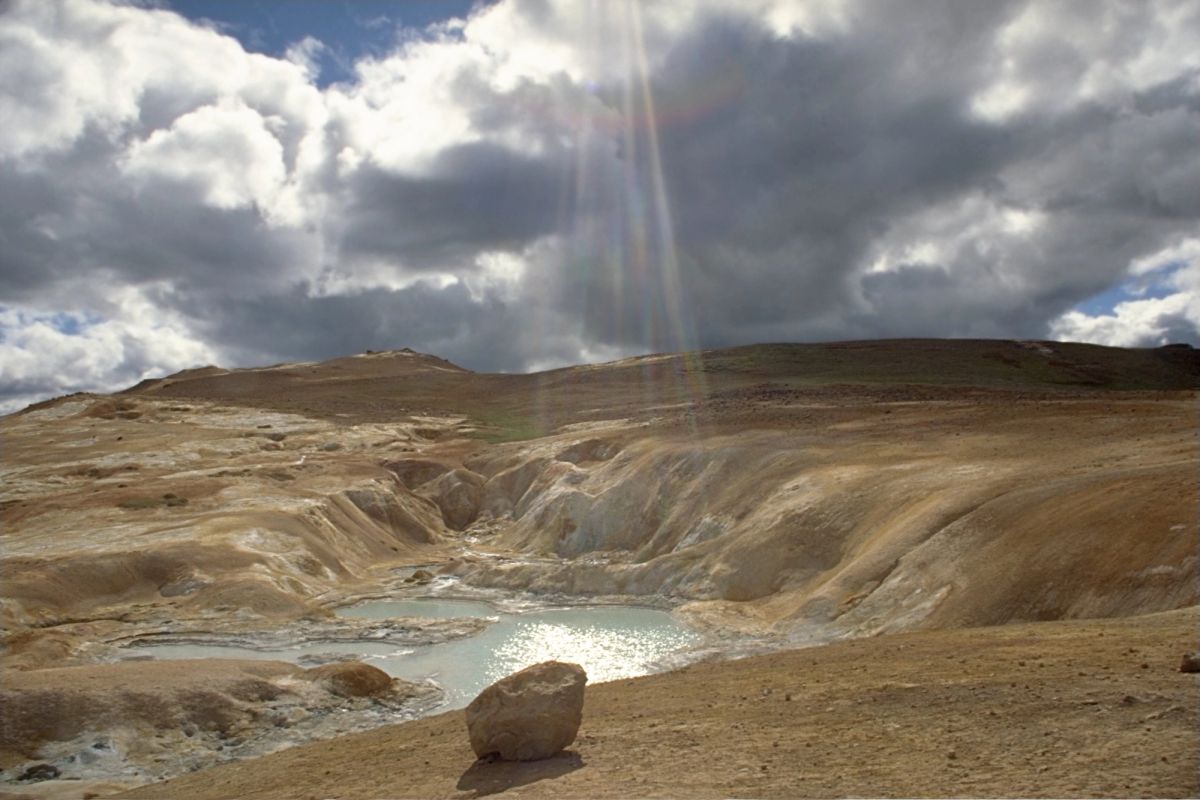
Leirhnjúkur is a remarkable volcanic in Iceland. Leirhnjúkur is a remarkable volcanic wonder in North Iceland. This dramatic landscape was shaped by powerful volcanic forces over thousands of years. ... Leirhnjúkur is the most accessible lava field from the Krafla Fires (1975–1984) — a still-steaming expanse of black lava, sulphur deposits and fumaroles on the floor of the Krafla caldera, where only 40 years ago rivers of molten rock flowed. Marked . This location offers visitors a unique opportunity to experience Iceland's natural beauty and cultural heritage.
Folklore
Story & Folklore
Leirhnjúkur is the most accessible lava field from the Krafla Fires (1975–1984) — a still-steaming expanse of black lava, sulphur deposits and fumaroles on the floor of the Krafla caldera, where only 40 years ago rivers of molten rock flowed. Marked walking trails guide visitors through the cooled-but-still-hot terrain (temperatures a metre below the surface still approach boiling). The contrast between the steaming vents and the absolute stillness of the surrounding landscape is extraordinary. Snow on the surrounding hills often melts in patches above the geothermal spots. On the longest day, the midnight sun catches the fumarole steam in golden light — a sight of unusual beauty in an unusual landscape.
Local Legend
Legends of Leirhnjúkur
Leirhnjúkur has been part of Icelandic folklore for generations. Local tales speak of hidden people (huldufólk) and other supernatural beings who inhabit the area. According to tradition, this place deserves respect and visitors should be mindful of the ancient spirits who call it home.
Experiences
Tours Near Leirhnjukur
Best-rated Iceland experiences — book with free cancellation


Explore
Hidden Gems Nearby
✦ Lava Formations Close-Up
Look carefully at the lava formations near Leirhnjúkur — each tells a story of how it cooled.
Rope lava, pillow lava, and columnar basalt each formed under different conditions, creating a geological textbook in stone.
✦ Moss & Lichens
The moss and lichen growing on the volcanic rock are some of the first life to colonize new lava fields.
Some of these organisms grow less than 1cm per year, meaning the patches you see may be decades or centuries old.
✦ Sunset Colors
The volcanic rock takes on incredible red and gold hues during sunset.
The iron-rich minerals in the lava glow in warm light, creating a photographer's paradise.
Help
Frequently Asked Questions
Location
📍 Location
Discover
Explore Nearby
Places from our database within 1.0 km — all data from Sanity
Loading nearby places…
0 places found within 1.0 km
Plan full itinerary →Explore More