west-iceland · Iceland
Kolbeinsstaðir
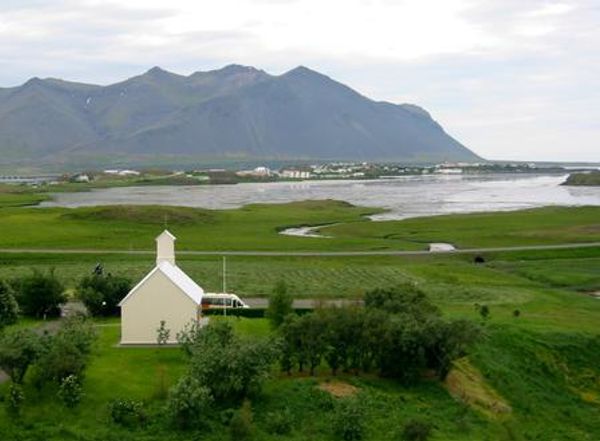
Nestled amidst the verdant coastal landscapes of West Iceland, Kolbeinsstaðir presents a captivating glimpse into the island's ancient past. Wander among the meticulously preserved turf-walled ruins, including a semi-subterranean structure, imagining the lives of early Norse settlers against a backdrop of rolling green hills and the shimmering Atlantic.
About Kolbeinsstaðir
Nestled amidst the verdant coastal landscapes of West Iceland, Kolbeinsstaðir presents a captivating glimpse into the island's ancient past. Wander among the meticulously preserved turf-walled ruins, including a semi-subterranean structure, imagining the lives of early Norse settlers against a backdrop of rolling green hills and the shimmering Atlantic.
History & Background
Kolbeinsstaðir serves as a poignant reminder of Iceland's foundational history, dating back to the Norse settlement in the 9th century. These ruins represent the characteristic turf-walled farms that dotted the Icelandic landscape for over a millennium, a testament to the settlers' adaptability and resourcefulness in a challenging environment. The structures here, built with layers of stone and turf, were ingeniously designed to provide insulation against the harsh Nordic winters, making them warm and sustainable shelters. Life at Kolbeinsstaðir, like many early Icelandic settlements, revolved around a subsistence economy based on sheep farming, fishing from the nearby coast, and a strong sense of community. The layout of the ruins, with its defined enclosures and a central dwelling, offers clues into the daily routines and social structures of these resilient people. Visiting Kolbeinsstaðir allows one to walk in the footsteps of these early Icelanders, gaining a deeper appreciation for their enduring spirit and the architectural heritage that shaped the nation.
Did You Know?
- ✔The ruins date back to the settlement era, possibly as early as the 9th or 10th century.
- ✔Structures are built using a combination of local stone and insulating turf, a hallmark of Icelandic architecture.
- ✔Kolbeinsstaðir overlooks the Atlantic, emphasizing the importance of fishing and coastal life for early settlers.
- ✔The site provides insight into the daily lives of early Icelandic farmers and their self-sufficient communities.
- ✔The distinct semi-subterranean structure was designed for maximum protection against the harsh Nordic climate.
Tours Near Kolbeinsstaðir
Best-rated Iceland experiences — book with free cancellation


Why Visit
Step back in time to experience the rugged beauty and enduring spirit of Iceland's Viking heritage.
Did You Know?
Did you know that the turf-walled structures at Kolbeinsstaðir showcase traditional Icelandic building techniques, designed to withstand the harsh Nordic climate for centuries?
The Whispers of the Hidden Folk at Kolbeinsstaðir
Local folklore suggests that the turf-covered dwelling at Kolbeinsstaðir was once a favored abode of the 'huldufólk' or hidden folk, who would sometimes offer aid to weary travelers. It's said that if you listen closely on a quiet evening, you might still hear their faint music carried on the wind from within the ancient mound.
📖 Stories & Legends
Icelandic sagas and folklore from this area
Hidden Gems Nearby
Coastal Walk to the Lighthouse
A scenic path along the coastline from Kolbeinsstaðir offers stunning views of the ocean and leads to a charming local lighthouse.
Enjoy dramatic sea views and a peaceful stroll away from the main road.
Wildflower Patches
In late spring and summer, the grassy fields surrounding the ruins burst into bloom with a variety of native Icelandic wildflowers, adding vibrant color to the landscape.
A beautiful photographic opportunity and a chance to appreciate Iceland's delicate flora.
Practical Information
Best Time
Late spring to early autumn for best weather; morning or late afternoon for softer light.
Duration
45 minutes – 1 hour
Access
Accessible by paved road, with a short walk from the parking area to the ruins.
Frequently Asked Questions
Is there an entry fee for Kolbeinsstaðir?▾
No, there is no entry fee to visit the Kolbeinsstaðir ruins, making it a freely accessible historical site.
Is parking available at Kolbeinsstaðir?▾
Yes, there is typically a small parking area near the site, from which it's a short walk to the ruins.
What should I wear when visiting the ruins?▾
Given the outdoor, potentially windy conditions and uneven terrain, wear sturdy, comfortable walking shoes and layers of warm, waterproof clothing.
Are the ruins wheelchair accessible?▾
The terrain around the ruins is uneven, grassy, and rocky, making it generally not wheelchair accessible.
Can I bring my dog to Kolbeinsstaðir?▾
Dogs are generally allowed on a leash, but please ensure you clean up after your pet and respect the historical site.